

Santa Clarita, CA · September 2022 – February 2023 · Southern California Edison / City of Santa Clarita
Santa Clarita: the final passed and the project was not done.
Six days from roof to signature. Then the part nobody photographs: labels, a job card and a monitoring account.
Passing the final closes the permit. It does not close the project. What is still owed afterwards is the evidence that the work was done and the system can be looked after: the equipment labeling photographed in place, a signed job card, the photograph set, and monitoring that is actually configured against the right serial numbers. On this Santa Clarita project Cali Energy took the array from installation to a passed final in six days, and the handover items ran on for another two and a half weeks after it.
At a glance
- Installed
- 14 September
- Final inspection
- Passed 20 September
- Roof to signature
- Six days
- Still owed after it
- Placard photographs, signed job card, monitoring
- Utility / AHJ
- Southern California Edison / Santa Clarita
The story
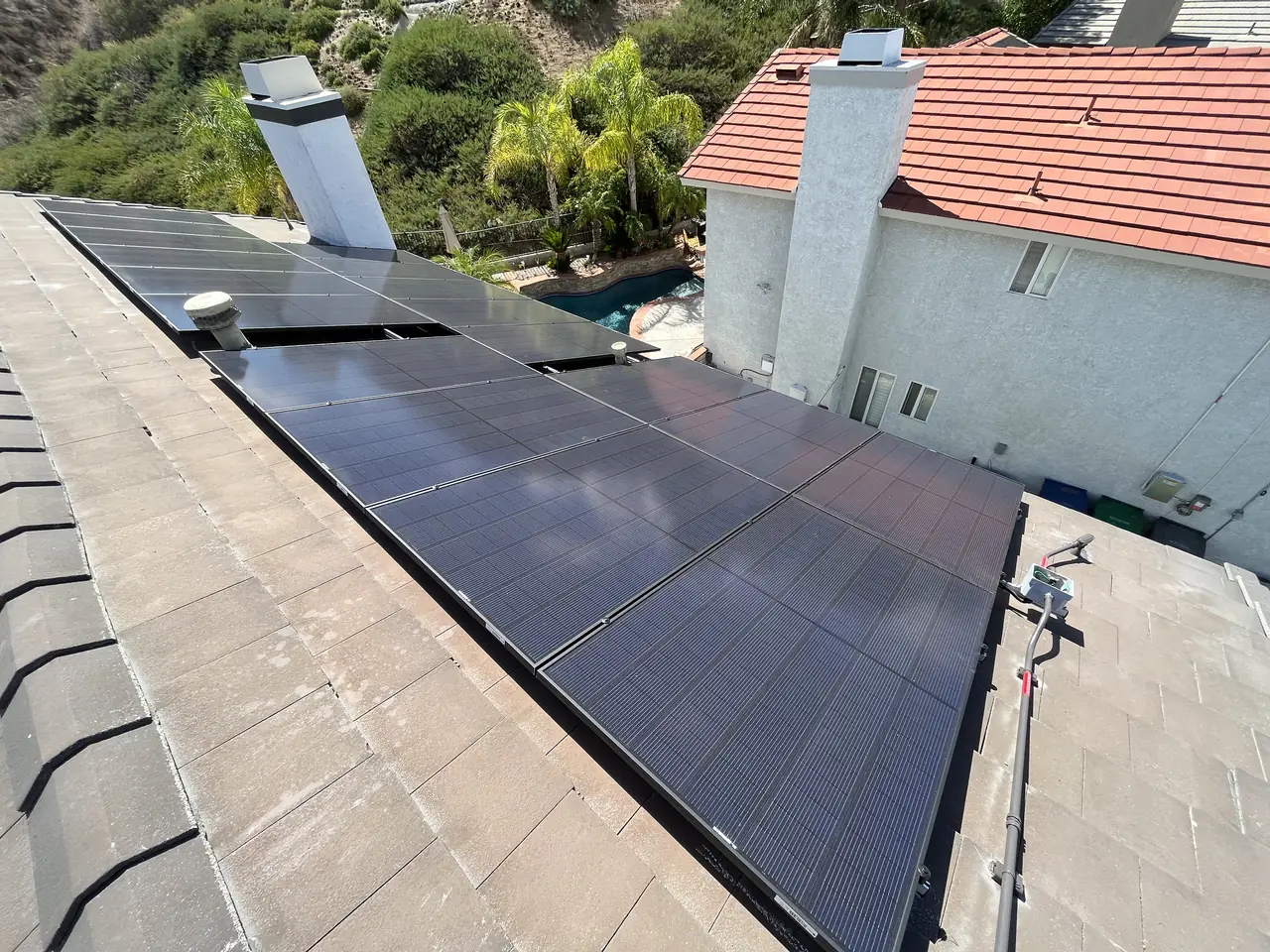
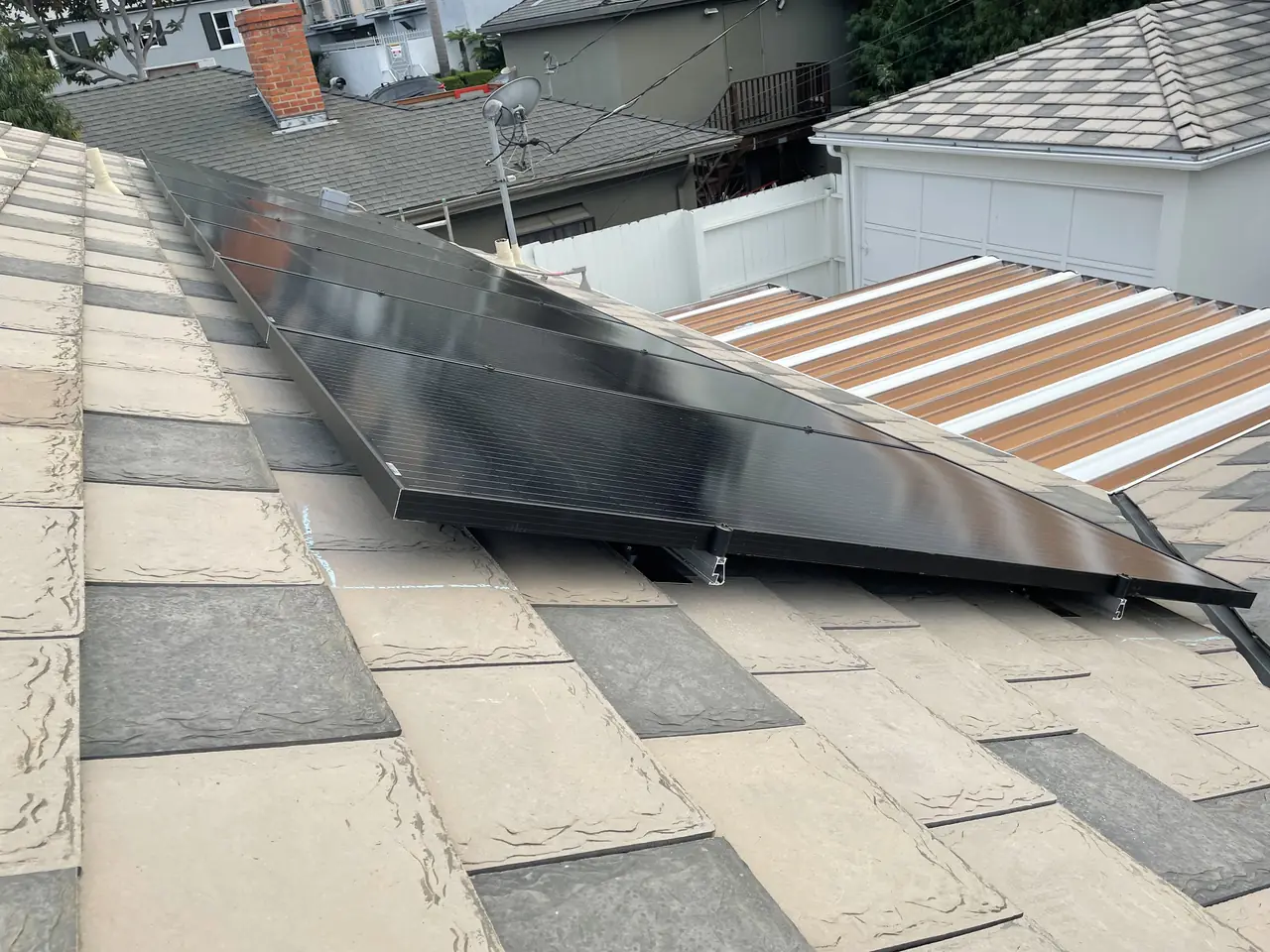
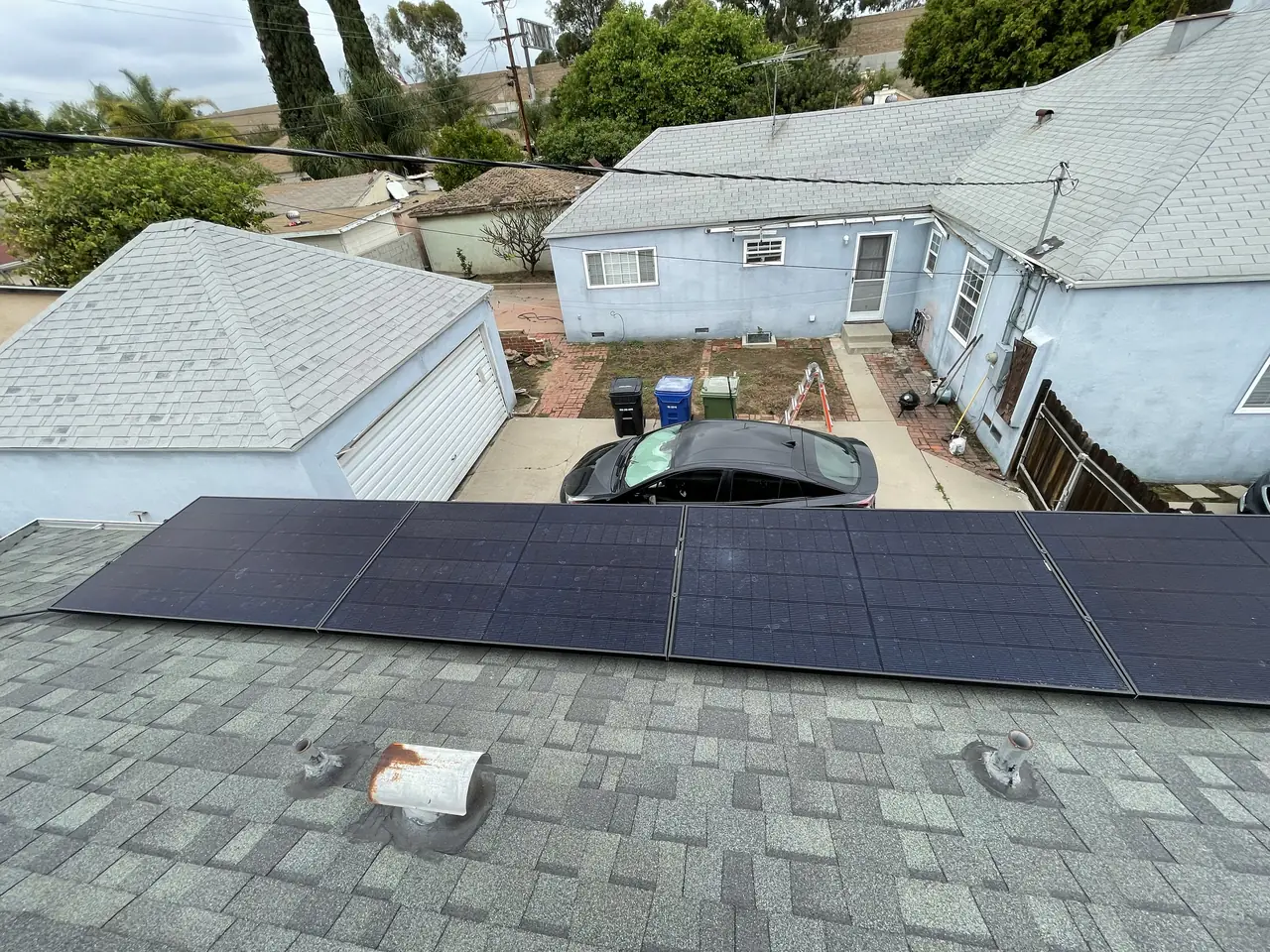
The fast part of this project is worth stating first, because it is the part owners ask about. The crew installed on a Wednesday. The final was requested for the following Tuesday and passed that day. Six days from an array on a roof to a closed permit.
And then the project carried on for another two weeks, which is the part nobody describes when they sell you a system.
Here is what was still outstanding the day after the inspector signed.
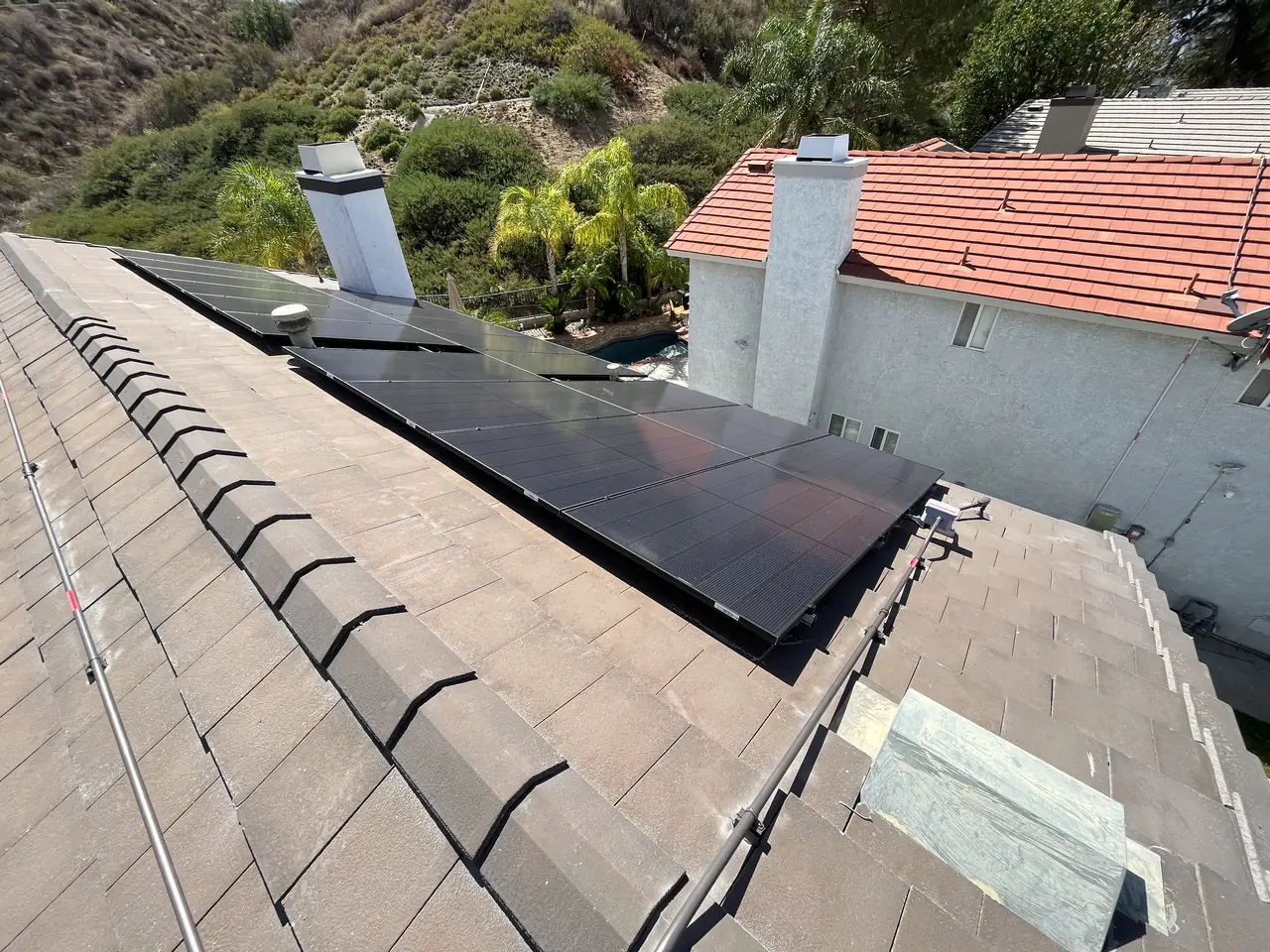
Photographs of the placards in place. Not photographs that the placards exist — photographs of them fitted to the equipment they belong to. Labeling is what tells the next person that part of this system stays live with the main breaker off, and a photographed placard is how that gets recorded rather than assumed.
A signed job card. The physical record that the work was carried out and inspected, signed by the people who were there. It is the document that matters years later when a house is sold and somebody asks what was actually done.
The photograph set. The state of the roof, the penetrations, the equipment and the connections at the moment of completion. This is the only defense anybody has when a leak appears two winters later and the array gets blamed by default.
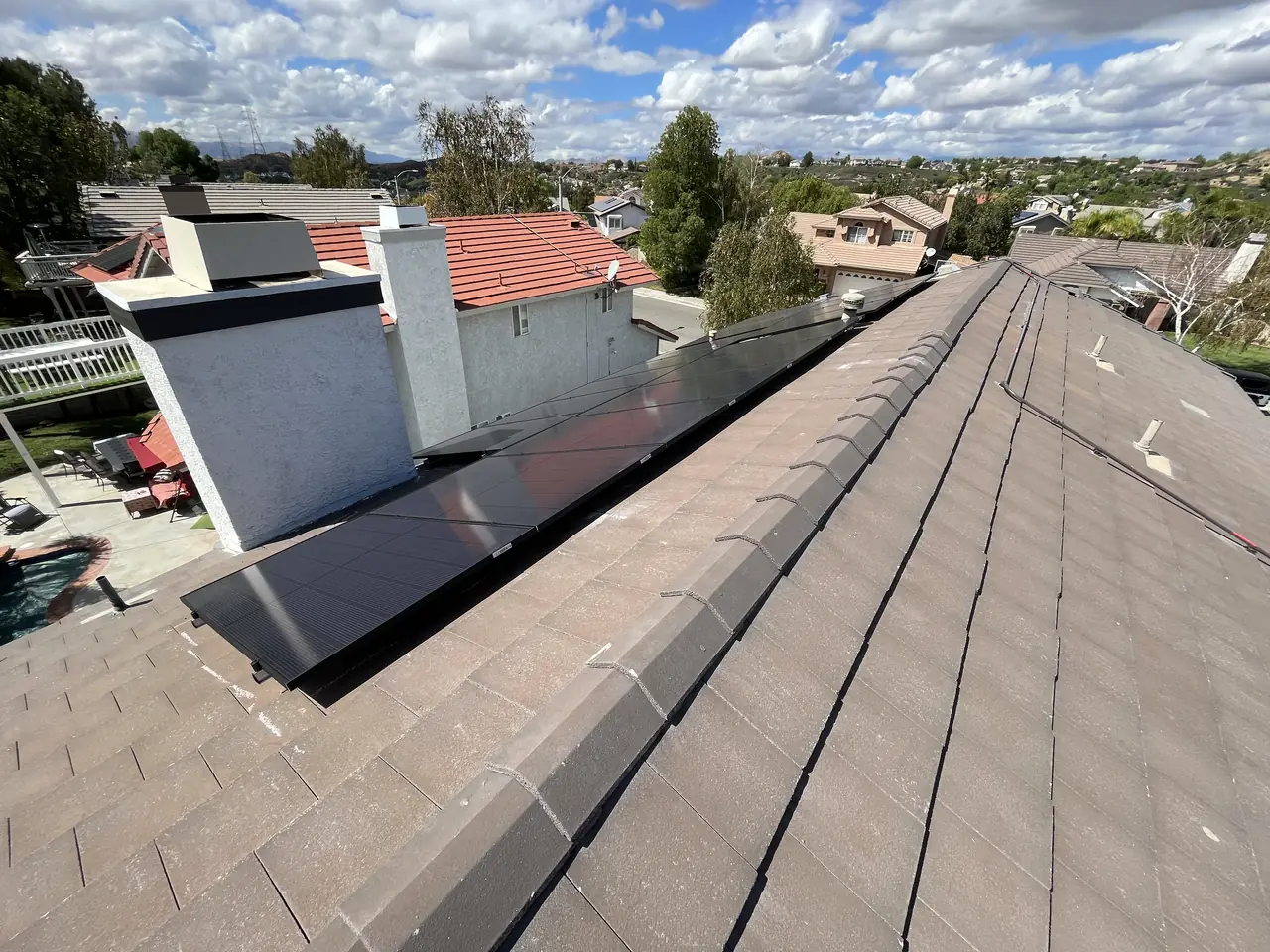
And monitoring that is actually working, configured against every serial number. This was the item that ran longest: it was configured after the final, and the account showed production sixteen days after the inspector signed.
That last item deserves its own warning, because it is the easiest to leave undone. A system can be complete, inspected, connected and generating while its monitoring account does not exist. Nothing about the hardware signals it. The owner finds out when they open an app and there is nothing in it, and by then everyone has moved on to the next job.
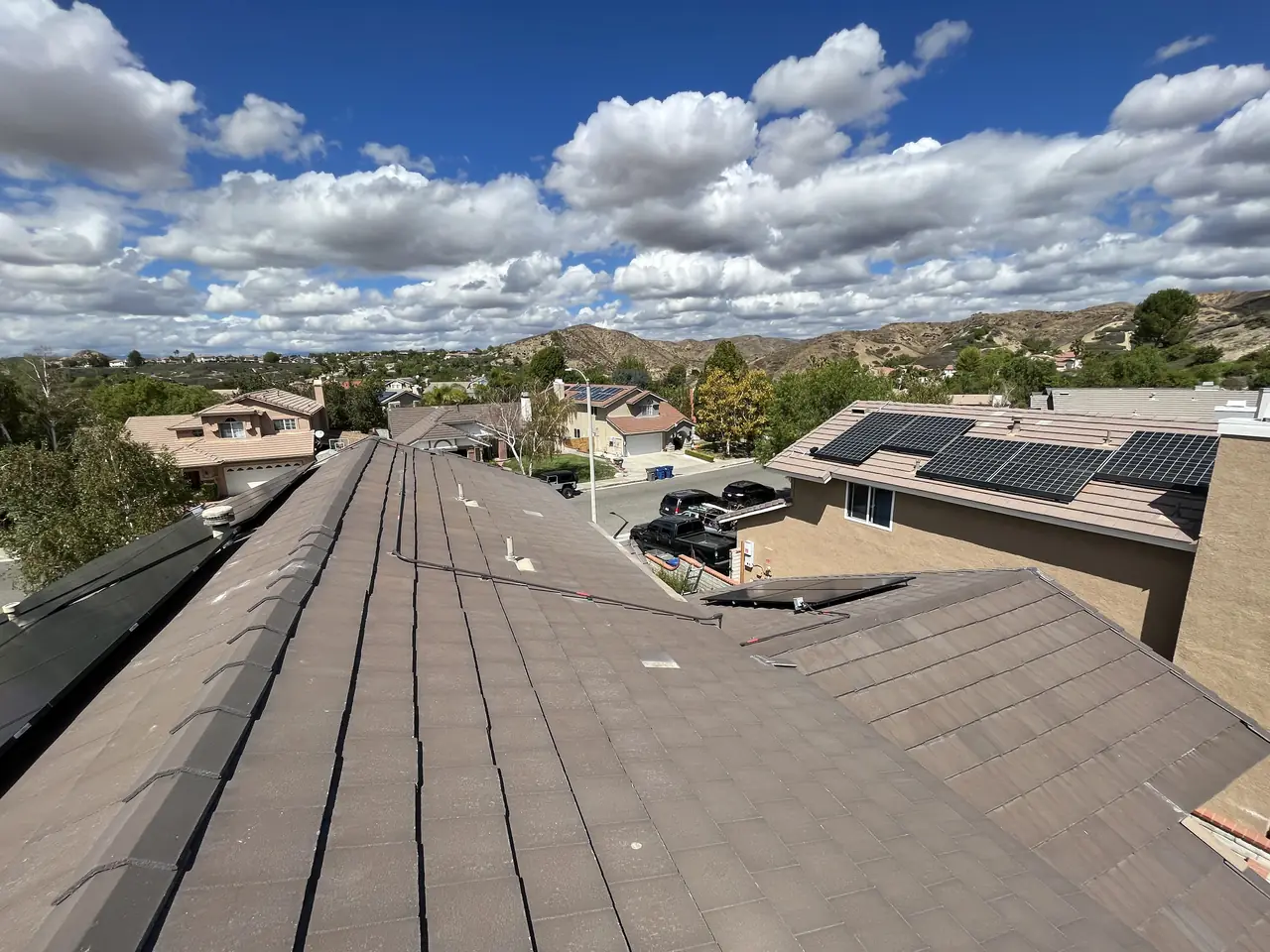
So the question to ask when somebody tells you the final has passed is not whether the project is finished. It is which of these four you have: the placard photographs, the signed card, the photograph set and a monitoring login that shows today's production.
On this one the permit closed six days after the crew left and the account has been showing production since the first week of October. The handover list is what took the time; the array itself was never in doubt.
Cali Energy installed, finaled and closed out this project in Santa Clarita.
How it ran
| 6 September 2022 | Installation date agreed |
|---|---|
| 14 September 2022 | Installation |
| 19 September 2022 | Final inspection requested for the next day |
| 20 September 2022 | Final passed |
| 20 September 2022 | Placard photographs and the signed job card requested |
| 21 September 2022 | Photograph set issued |
| 28 September 2022 | Monitoring set-up scheduled |
| 6 October 2022 | Production showing in the monitoring account |
Six days to close the permit, three weeks to close the project.
What we did
- Booked the final for the working day after the request went in.
- Issued the photograph set the day after the inspection.
- Photographed the placards in place rather than certifying they existed.
- Configured the monitoring against every serial number and confirmed production was reporting rather than assuming it.
System specifications
| Array | Residential rooftop |
|---|---|
| Installation to final | Six days |
| Handover | Placard photographs, signed job card, photograph set |
| Monitoring | Configured against every serial number; reporting from 6 October |
| Utility / AHJ | Southern California Edison / Santa Clarita |
Is your project like this one?
- Your final has passed and you are not sure what is still owed to you.
- Your app is empty and the system is generating.
- You are selling a house and cannot find the paperwork for the array.
- Nobody has given you photographs of the finished installation.
Cali Energy in Santa Clarita
Santa Clarita is its own city in Los Angeles County, permitted through the City of Santa Clarita Building & Safety Division and interconnected through Southern California Edison. Inspections here move quickly, which makes what comes after them more visible.
This installation is on the Santa Clarita projects page alongside the others, and what the work covers is set out on the Santa Clarita service area page.
- License and classifications: CSLB #1032379
- Official reference for this process: City of Santa Clarita — Building & Safety
- Official reference for this process: CSLB — Solar Smart
Frequently asked questions
Does passing the final mean the solar project is finished?
It means the permit is closed. The handover is separate: photographs of the labeling in place, a signed job card, the completion photograph set, and monitoring configured against the right serial numbers. None of those are checked by the inspector.
Why do the placards need to be photographed?
Because labeling is what tells the next person — a firefighter, an electrician years later — that part of the system stays live with the main breaker off. A photograph of the placard fitted to its equipment is how that ends up on the record instead of being assumed.
Why does the completion photograph set matter?
It records the roof, the penetrations, the equipment and the connections on the day the work finished. When a leak turns up two winters later and the array is blamed by default, that set is the only evidence of what the roof actually looked like.
Can a system be generating with no monitoring set up?
Easily, and it happens more than it should. The hardware does not care; nothing signals that the account was never configured. The owner discovers it by opening an app and finding nothing in it, usually well after everyone has moved on.
Does Cali Energy handle inspections in Santa Clarita?
Yes, and the handover with them. Santa Clarita permits through its own Building & Safety Division and interconnects through Southern California Edison. Inspections here move quickly, which makes the items that outlive the final easier to see.
What this would look like on your roof
Planning solar in Santa Clarita? Tell us your utility, your roof and what your bill looks like now, and we will model what a system like this would do on your house before you commit to anything.
Or call +1 (323) 844-7777 · Cali Energy, Northridge · CSLB #1032379 (B, C-10, C-39) — design, permits, install and electrical under one licensed contractor.
Related
This timeline reflects this property and this permitting path. Updated September 2026.