

Santa Clarita, CA · October – November 2022 · Southern California Edison / City of Santa Clarita
Santa Clarita: the disconnect had to be thirty amps, not sixty.
Bigger sounds safer. On a device the drawings name by rating, bigger is just different.
The AC disconnect on a solar installation is named on the approved drawings by rating, and the inspector compares the installation against those drawings. Fitting a larger device because it is the one on the shelf does not make the system safer — it makes the installation differ from the set that was approved. On this Santa Clarita project the specified 30 A disconnect was out of stock the day before installation and a 60 A was available. The larger device was not treated as a substitute: the correct rating was found the same afternoon, and Cali Energy installed on schedule and held the final the following week.
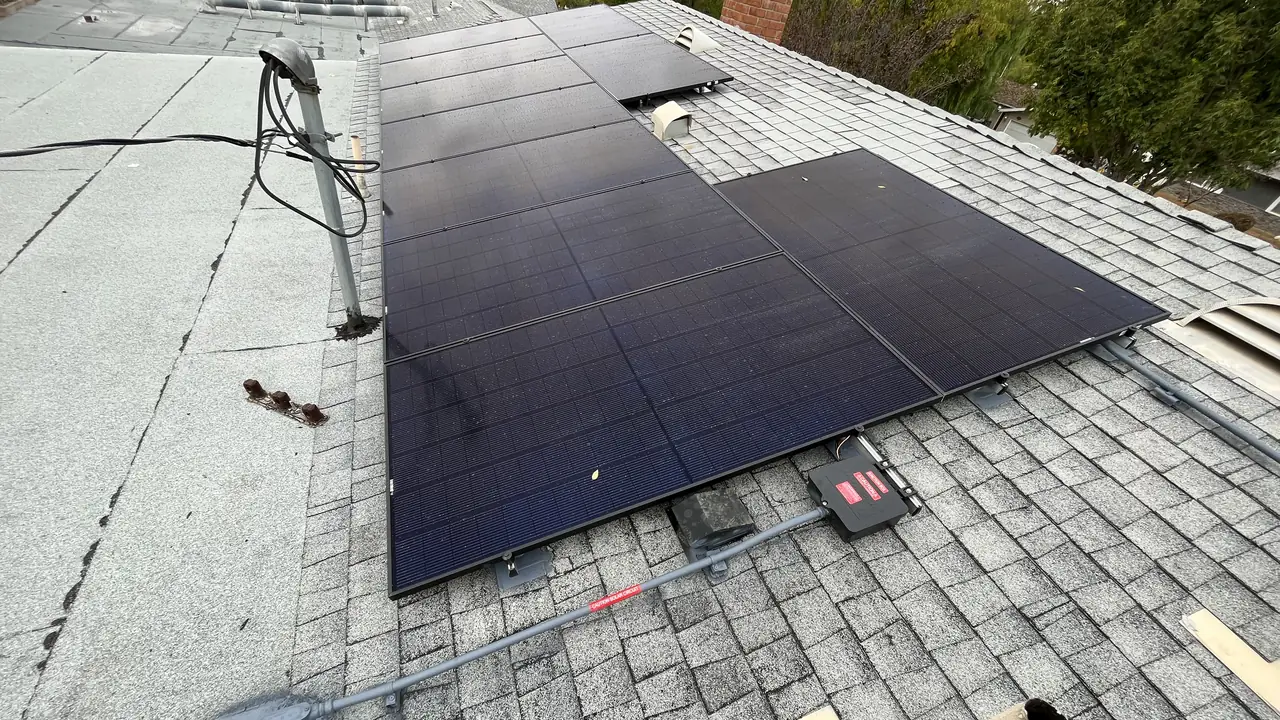
At a glance
- Specified
- 30 A AC disconnect
- Available
- 60 A
- Outcome
- Sourced the rating on the drawing
- Also in scope
- A new grounding system
- Final inspection
- Held the following week
- Utility / AHJ
- Southern California Edison / Santa Clarita
The story
The day before the crew was due, the supplier came back with a gap: no 30 A AC disconnect in stock. There was a 60 A available, and the obvious question followed — will that do?
It will not, and the reason is worth having straight, because it comes up on almost every job at some point.
The AC disconnect is the switch that lets somebody isolate the solar system from the rest of the electrical installation. Utilities and inspectors care about it because it is how a person makes the system safe to work near. It appears on the approved single-line diagram with a rating next to it.
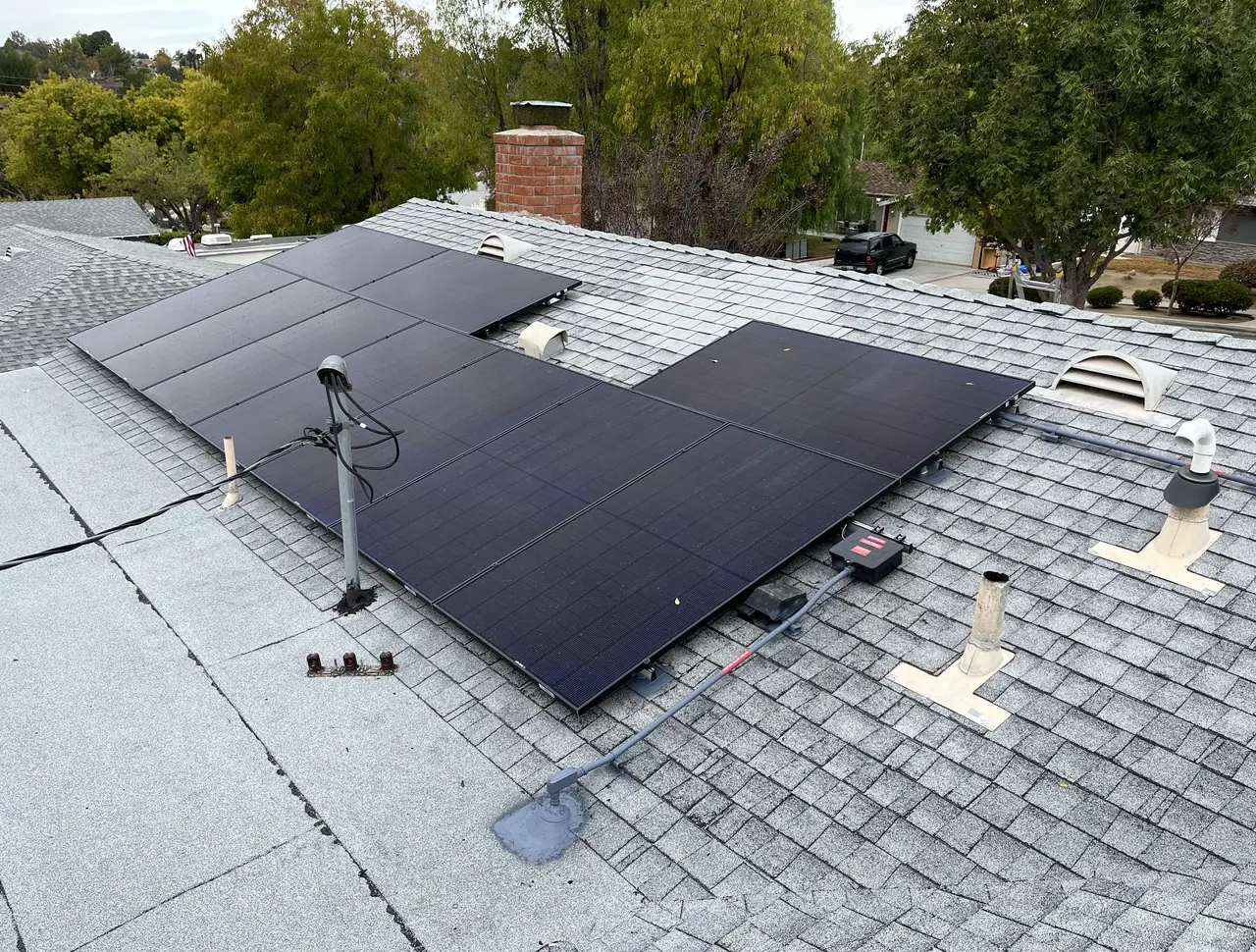
That rating is not a floor to be exceeded at will. It is a description of the installation that somebody reviewed and stamped. An inspector arriving for the final compares what is on the wall against what is on the drawing, and a device with a different number on it is a discrepancy — not a dangerous one, but one that has to be explained, and possibly drawn again.
There is a second reason, which people find more intuitive once it is pointed out. Oversizing a switch is not free safety. The rating exists to match the conductors and the overcurrent protection around it, and equipment chosen for coordination works as a set. Substituting one piece upward because it was the one in the van is how coordinated systems stop being coordinated.
So the choice on that Tuesday afternoon was between putting up the rating that was available and finding the one on the drawing. The right part turned up the same day, out of an office rather than off a distributor's shelf, and the crew installed the next morning as planned. The refusal cost a few phone calls, not a schedule.
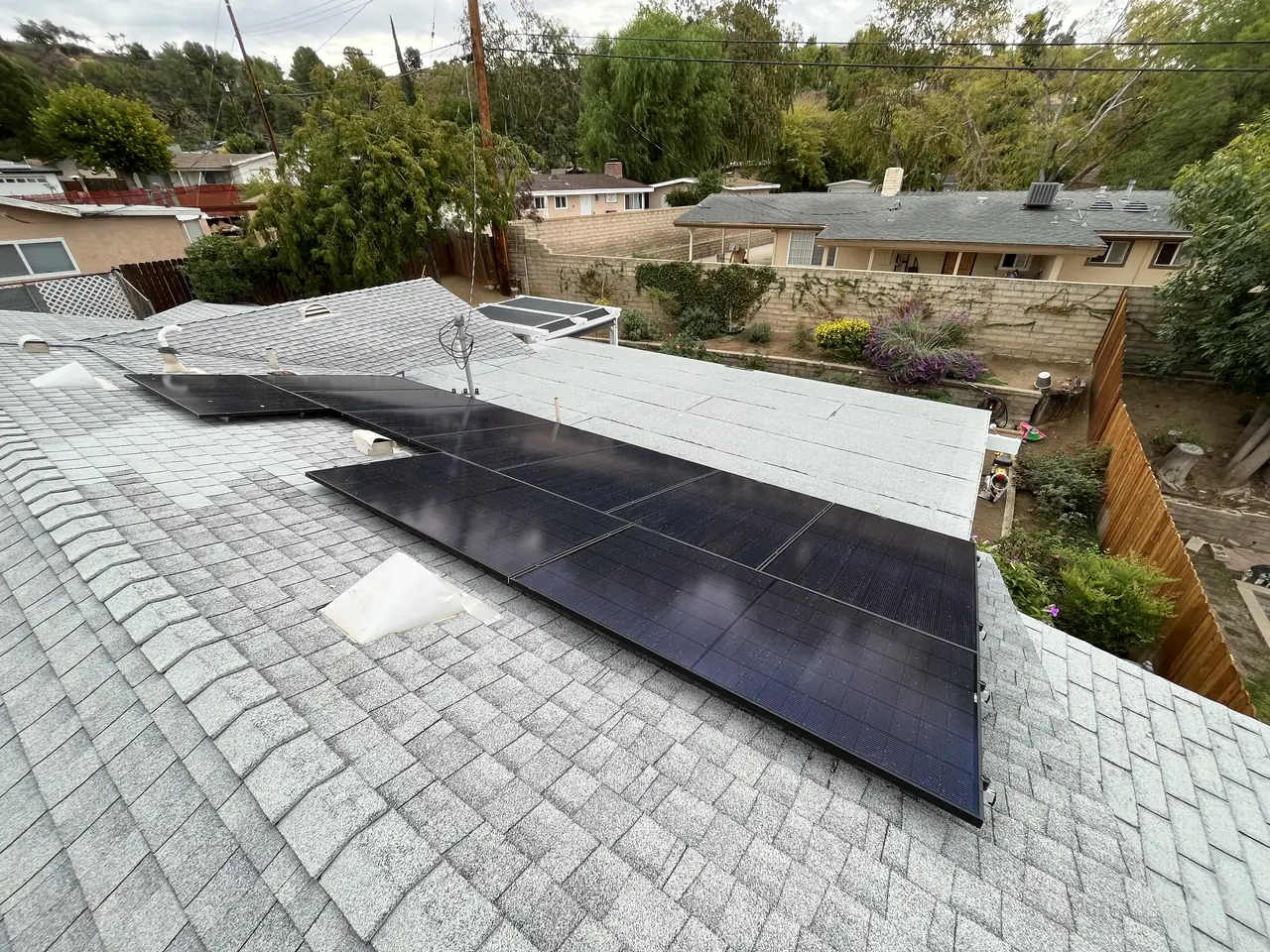
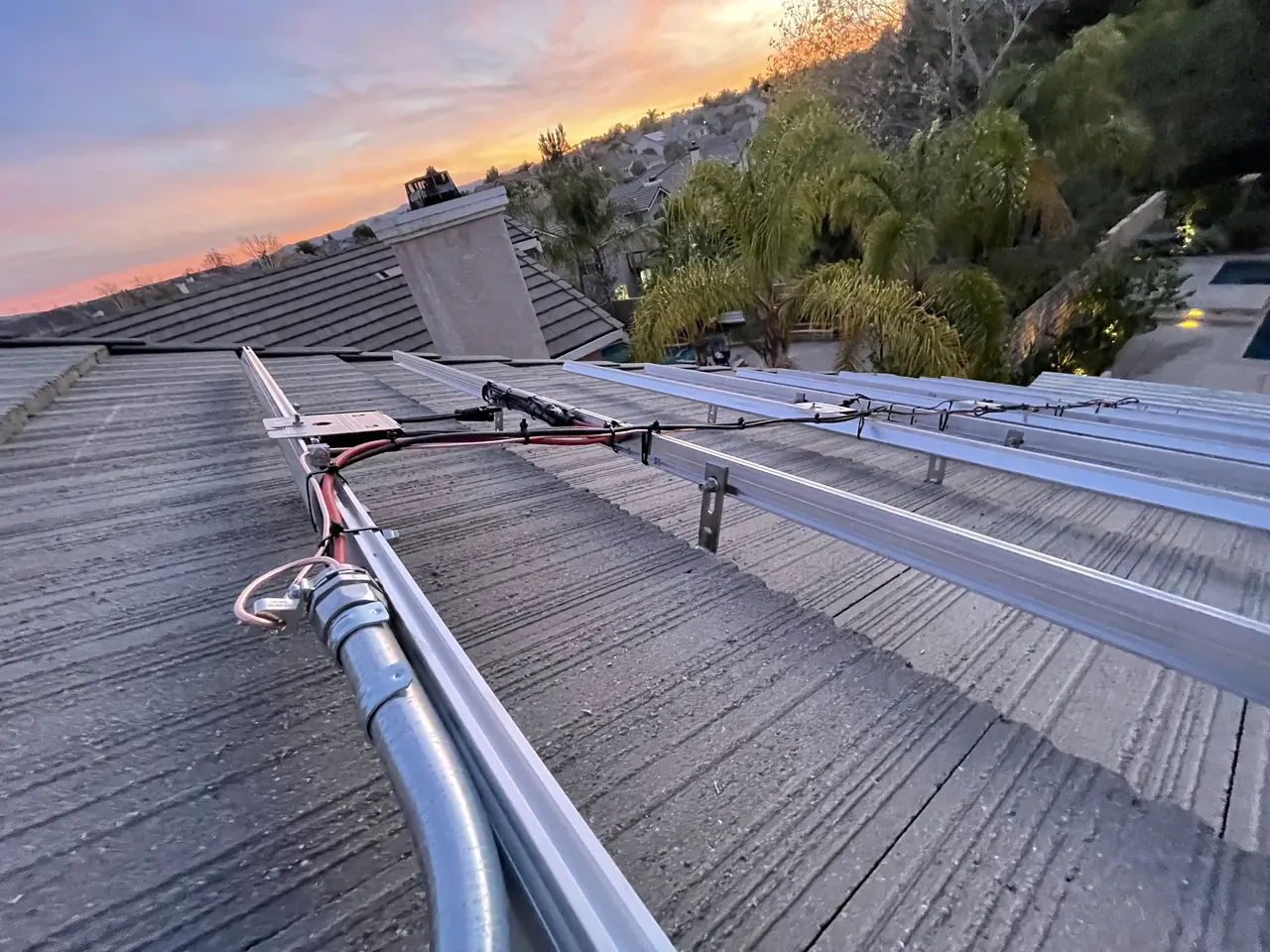
The second thing on this project belongs to the same family of decisions. The grounding on the property needed replacing — an older tract house, an electrode system that predated the current requirements — and that went in as its own line of work rather than being quietly folded into the array.
That is worth flagging for owners because grounding is invisible and therefore easy to skip. It is also the part of the system that only matters on the day something goes wrong, which is precisely why nobody notices it was never brought up to standard.
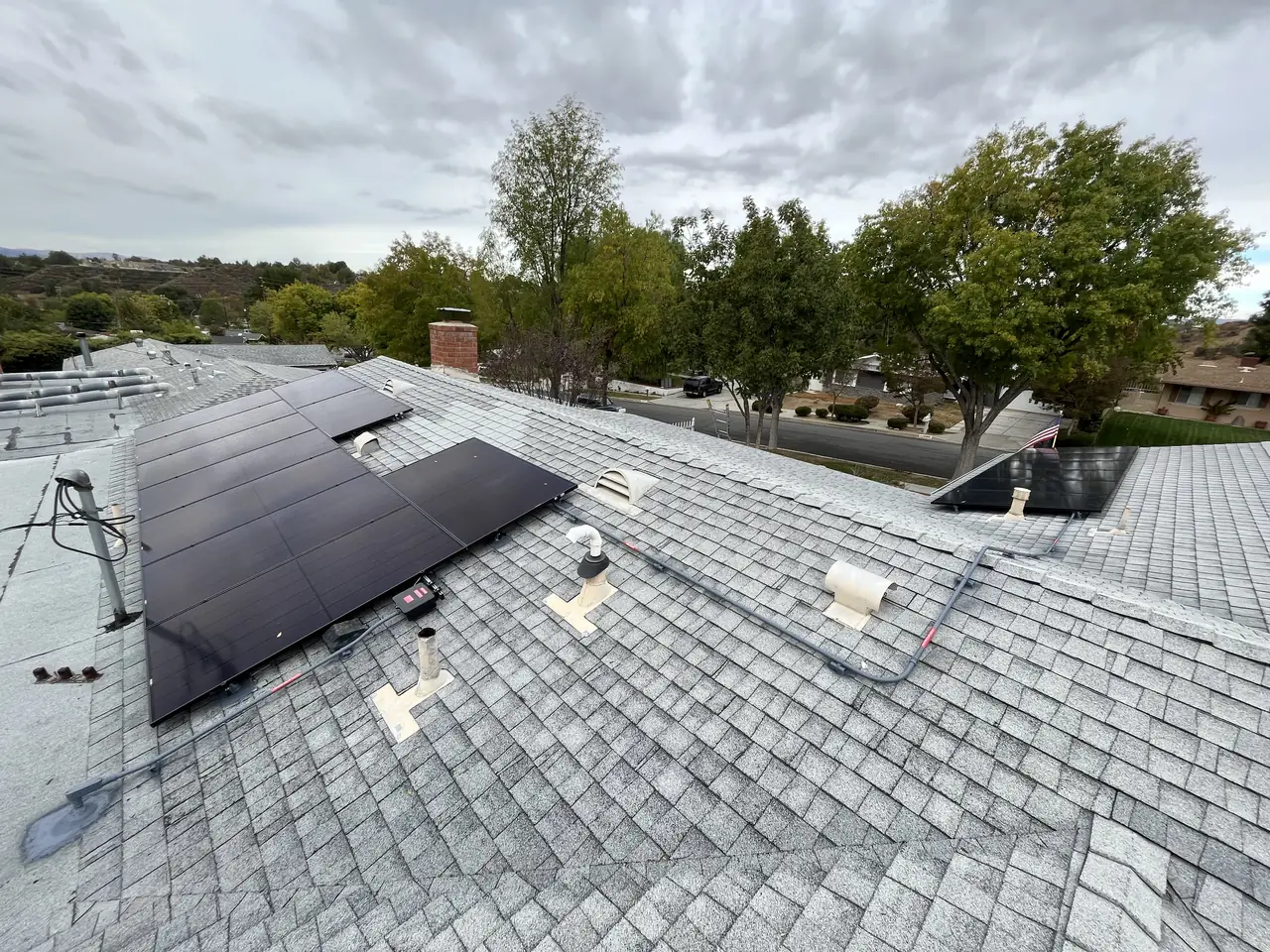
The final passed on the second of November — eight days from a part that was not on the shelf to a closed permit, with a new grounding system in the same scope.
Cali Energy installed, grounded and finaled this system in Santa Clarita.
How it ran
| 25 October 2022 | Installation set for the following day; supplier has no 30 A disconnect in stock |
|---|---|
| 25 October 2022 | A 60 A is available; declined — the drawings name 30 A |
| 25 October 2022 | A 30 A found the same afternoon; the date holds |
| 26 October 2022 | Installation; a new grounding system added as its own scope |
| 1 November 2022 | Final inspection requested for the next day |
| 2 November 2022 | Final inspection passed |
Eight days from a missing part to a passed final, and none of them were lost to refusing the wrong one.
What we did
- Kept the installation date without putting up a device the plans did not name.
- Read the rating on the drawing before accepting what was on the shelf.
- Replaced the grounding system as its own scope instead of absorbing it.
- Booked the final the week after installation.
System specifications
| AC disconnect | 30 A, as drawn |
|---|---|
| Rejected substitute | 60 A |
| Grounding | New electrode system, separate scope |
| Installation | Late October |
| Final inspection | Early November |
| Utility / AHJ | Southern California Edison / Santa Clarita |
Is your project like this one?
- Your installer has offered to substitute a part that was available.
- Your equipment does not match what the drawings say.
- Your house is older and nobody has mentioned the grounding.
- You want to know why a bigger component is not automatically better.
Cali Energy in Santa Clarita
Santa Clarita is its own city in Los Angeles County, permitted through the City of Santa Clarita Building & Safety Division and interconnected through Southern California Edison. Older tracts here regularly need the grounding brought up to date along with everything else.
This installation is on the Santa Clarita projects page alongside the others, and what the work covers is set out on the Santa Clarita service area page.
- License and classifications: CSLB #1032379
- Official reference for this process: NFPA — National Electrical Code (NFPA 70)
- Official reference for this process: Southern California Edison — generating your own power
Frequently asked questions
What does the AC disconnect do on a solar system?
It is the switch that isolates the solar installation from the rest of the electrical system, so somebody can work near it safely. It appears on the approved single-line diagram with a rating, and it is one of the items an inspector looks for at the final.
Can a larger disconnect be substituted if the right one is out of stock?
Not without changing the drawings. The rating on the approved set describes the installation that was reviewed, so a different device is a discrepancy the inspector has to resolve — and oversizing is not free safety, because equipment is chosen to coordinate with the conductors and protection around it.
Why would a house need a new grounding system for solar?
Because older properties frequently have an electrode system that predates current requirements, and solar work is when it gets looked at. It is invisible and easy to skip, and it only matters on the day something goes wrong.
Is it better to wait for the correct part or install and revise?
Waiting, in almost every case where the wait is days. Installing the wrong rating means either a correction at the final or a drawing revision, both of which cost more time than the part did.
Does Cali Energy install solar in Santa Clarita?
Yes. Projects here are permitted through the City of Santa Clarita Building & Safety Division and interconnected through Southern California Edison. Older tracts regularly need the grounding brought up to date, and that is quoted as its own scope rather than hidden in the total.
What this would look like on your roof
Planning solar in Santa Clarita? Tell us your utility, your roof and what your bill looks like now, and we will model what a system like this would do on your house before you commit to anything.
Or call +1 (323) 844-7777 · Cali Energy, Northridge · CSLB #1032379 (B, C-10, C-39) — design, permits, install and electrical under one licensed contractor.
Related
This timeline reflects this property and this permitting path. Updated September 2026.