

Porter Ranch, CA · May 2023 – December 2025 · LADWP / LADBS
Porter Ranch: the better panel did not fit the roof.
Same brand, more watts, four centimetres longer. On a small roof plane that is the whole decision.
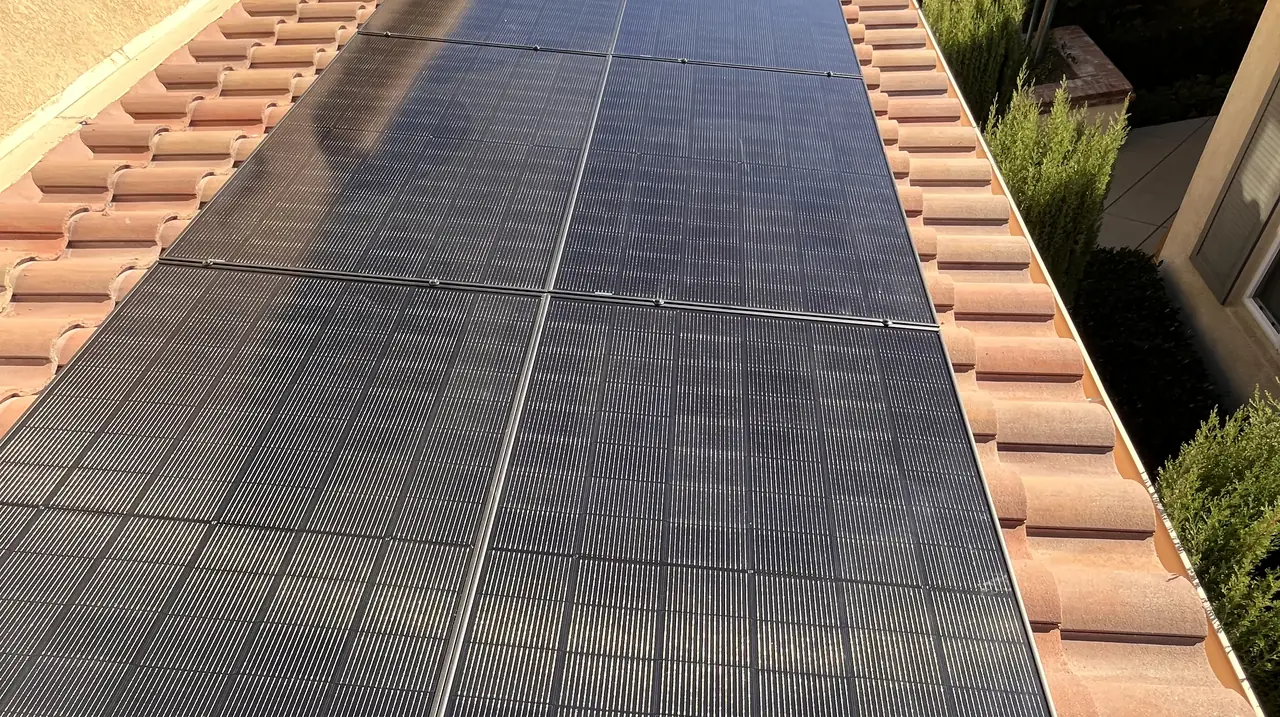
Module choice on a small roof is a geometry problem before it is an electrical one. On this Porter Ranch house the higher-output panel in the same family was physically larger and eleven of them would not fit the plane the household wanted to use, so the design went back to a slightly smaller module. When the project resumed two years later, Cali Energy rebuilt the layout around a current module from a different manufacturer — with the household choosing to cover part of its usage rather than all of it.
At a glance
- What was built
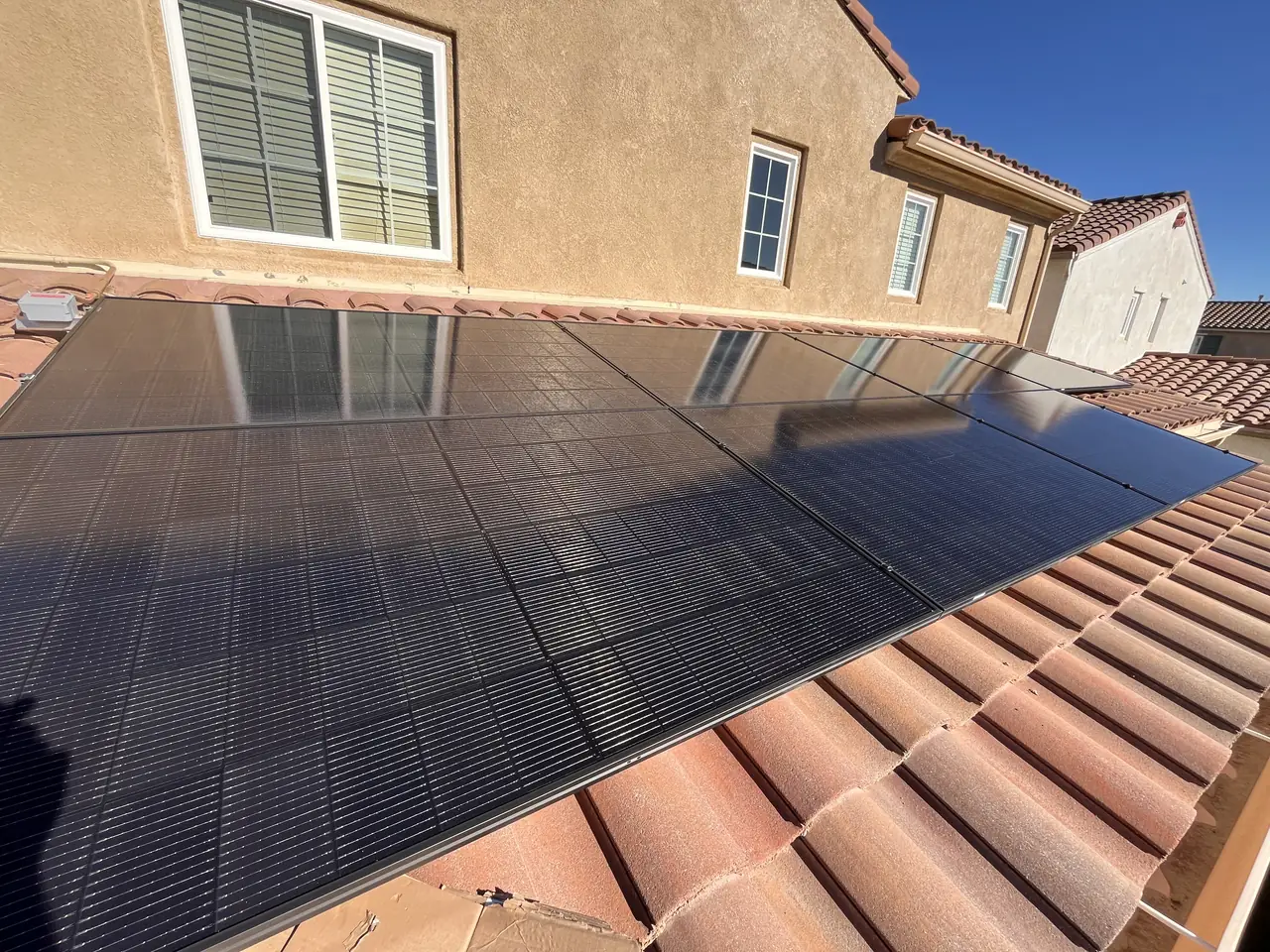
- 11 modules, south plane only
- First specification
- REC 405 W
- Rejected
- REC 410 W — physically too large for the plane
- Built with
- Canadian Solar 445 W
- Coverage
- Deliberately partial
- Utility / AHJ
- LADWP / LADBS
The story
Eleven modules. This is the smallest project in the Porter Ranch group and the one with the most decisions in it.
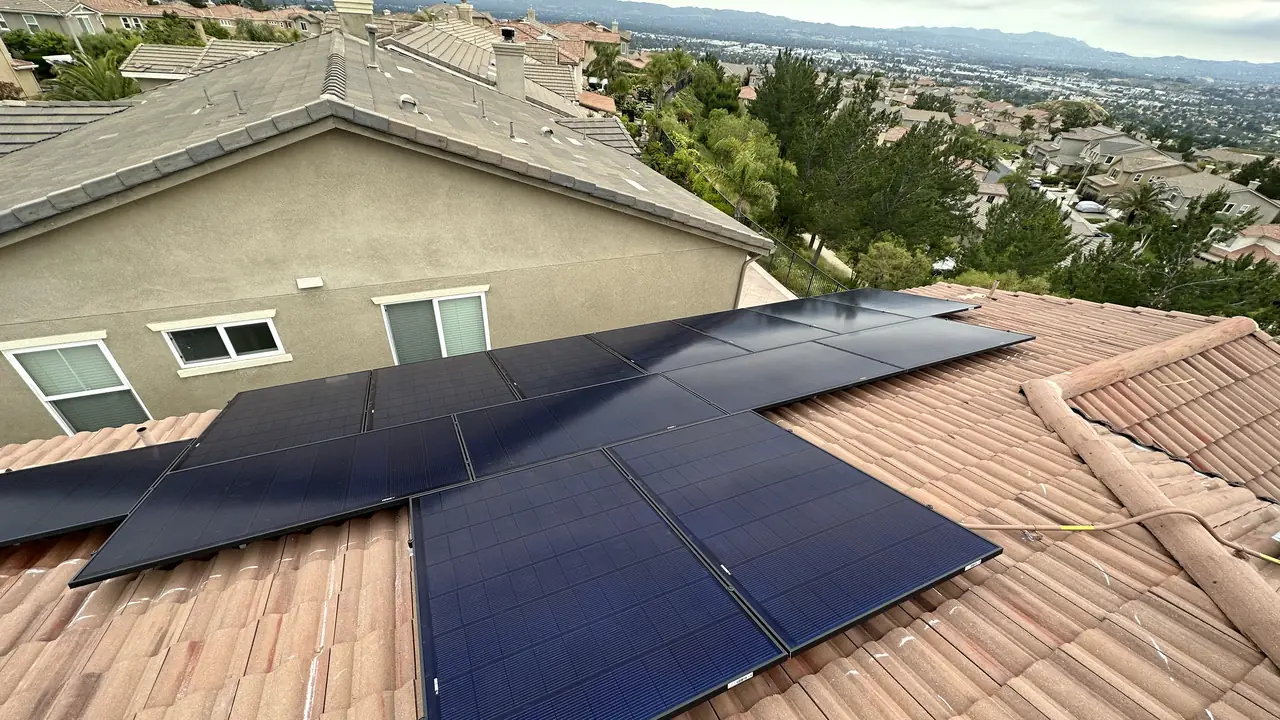
The first design used an eleven-module layout on a single roof plane. When the household asked about a higher-output panel from the same manufacturer, the answer was not about performance. The better panel is physically longer, and eleven of them do not fit the plane. The design stayed on the smaller module.
That surprises people, so it is worth stating plainly: on a small or broken-up roof, module dimensions decide the layout before wattage does. A panel that makes five percent more power and does not fit produces nothing at all.
The second decision came from a second quote. The household was weighing a proposal built on a different panel and a different microinverter, and asked for a like-for-like comparison. That is the right request and the hard part is making the comparison real: same module count, same roof planes, same shading assumption, same inverter class. Comparing a quote on one set of assumptions against a quote on another is how people end up buying the optimistic spreadsheet rather than the better system.
Then the project went quiet for two years, and that is where the third decision came from.
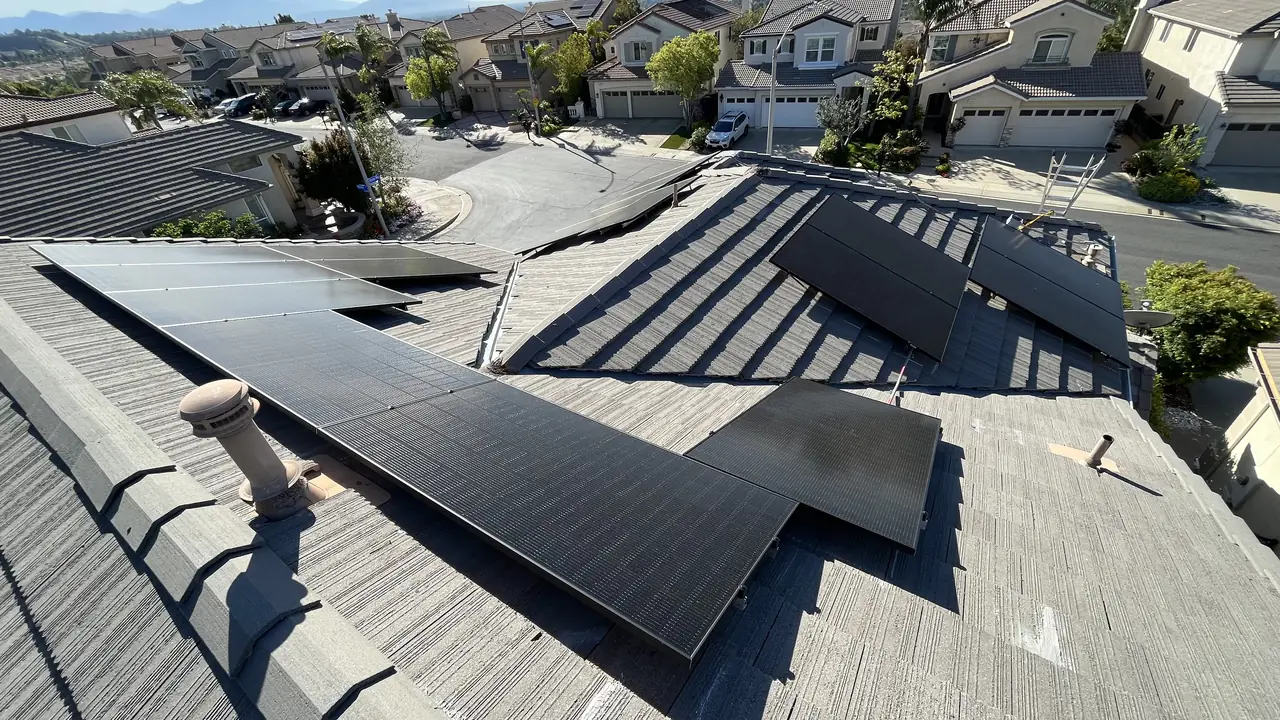
When it restarted, the module family the design was built on had moved on, so the layout was rebuilt around a current 445 W panel from a different manufacturer. Bigger panel, fewer of them, same roof plane.
The household also made a choice that deserves more respect than it usually gets: it kept the array on the south plane only, knowing that would not cover the whole electricity bill. Solar sales tends to treat full offset as the only correct answer. It is not. A household that wants panels on one plane, and has its own reasons, is making a legitimate trade — and it should be given the number that goes with it rather than a redesign it did not ask for.
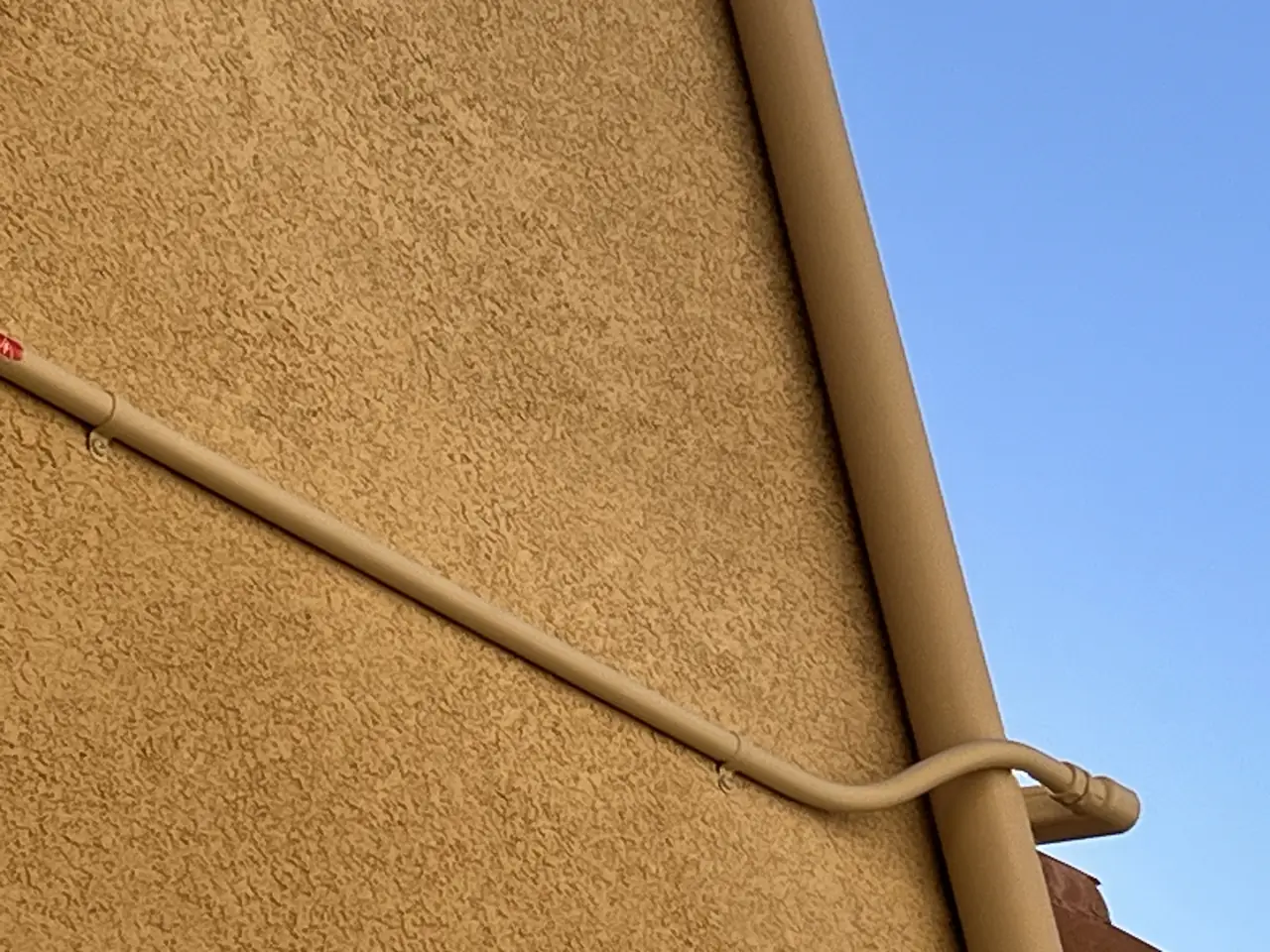
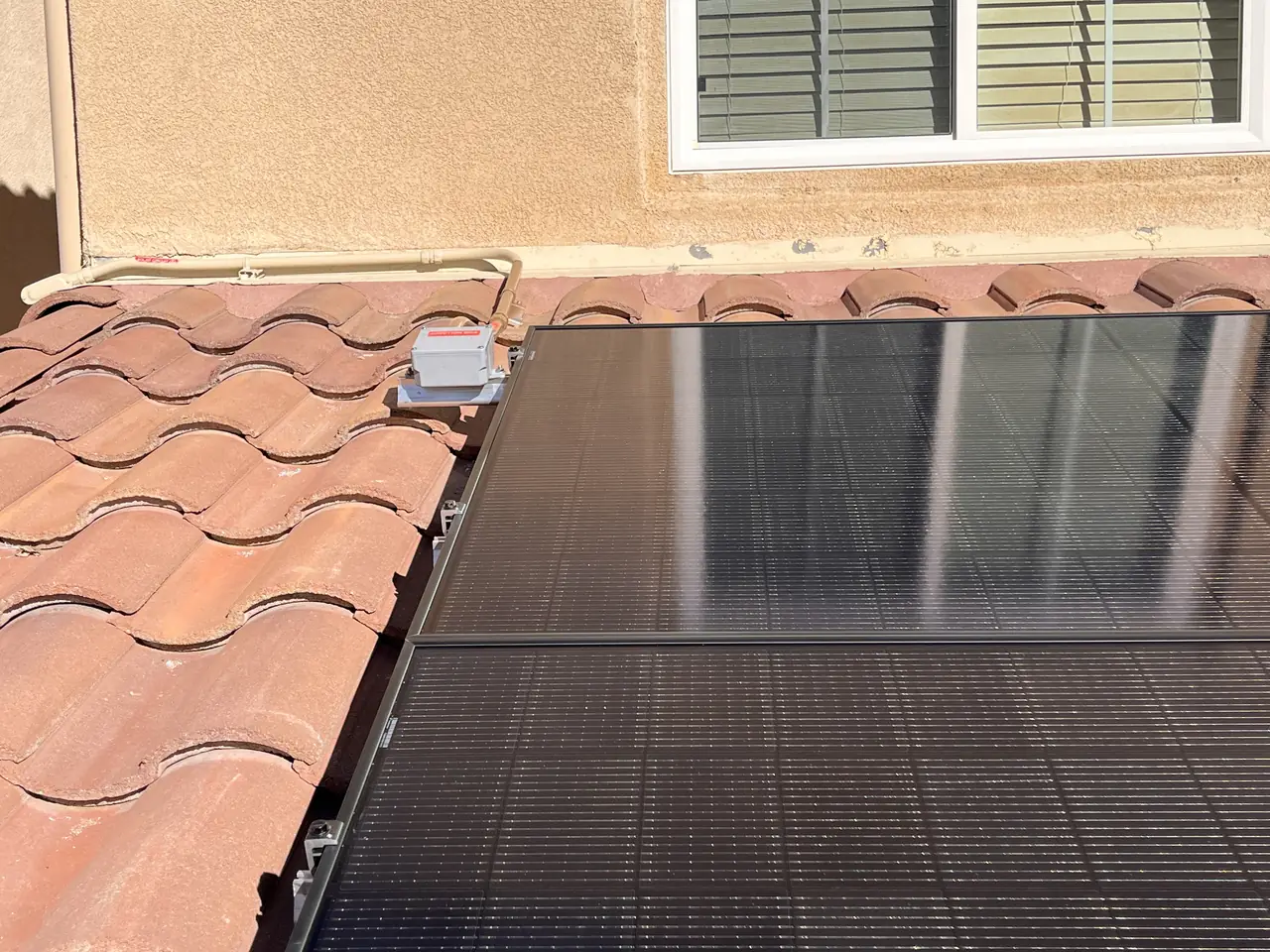
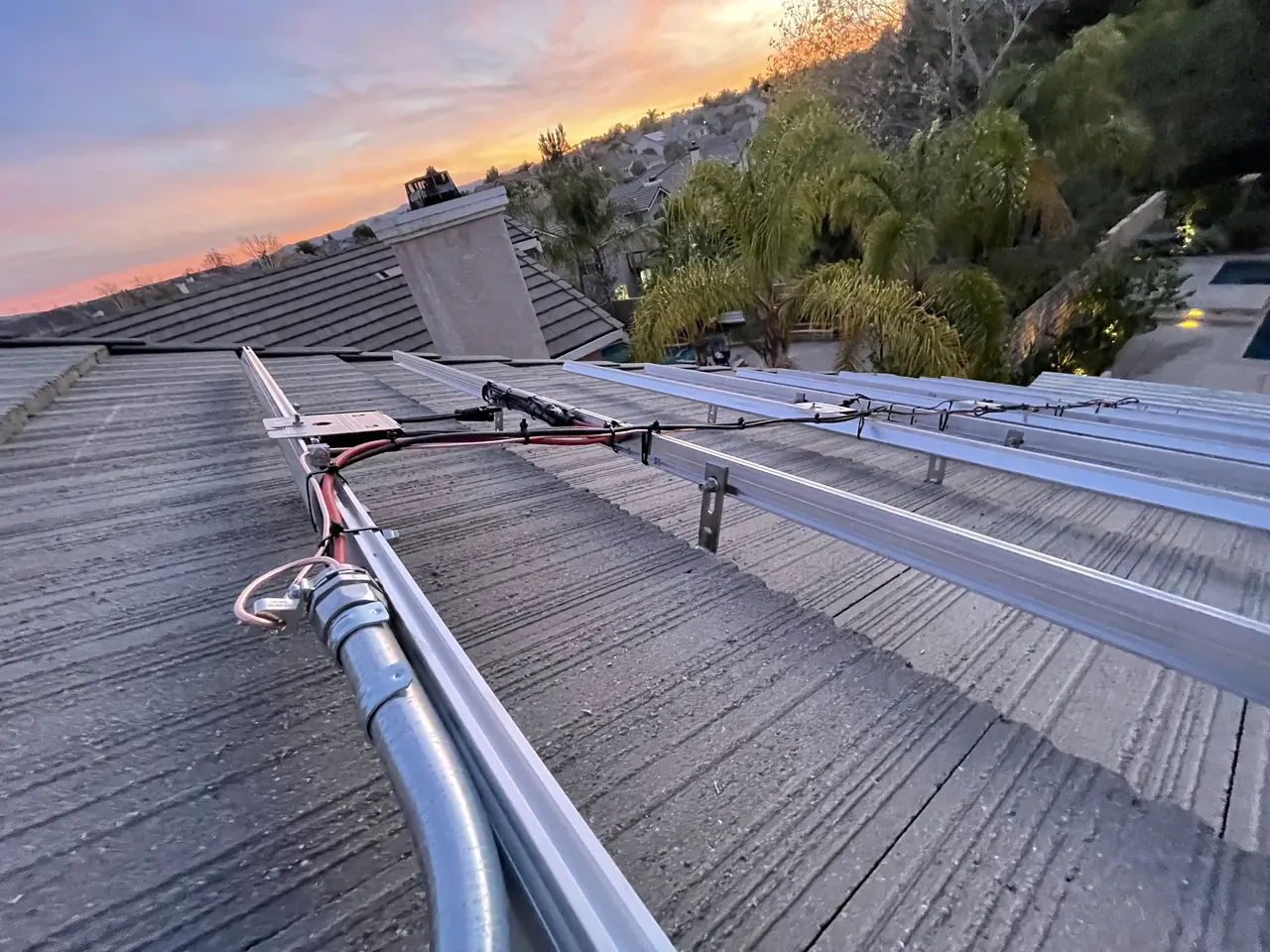
The installation went in at the end of the year. One detail from it is the kind of thing that does not appear in quotes: the conduit run on the outside wall was painted to match the trim, and the household noticed and said so. Making the electrical work disappear into the house is not a code requirement. It is the difference between an installation somebody tolerates and one they are happy to point at.
The meter installation was assigned to a crew in the middle of December and permission to operate followed. The household asked to be present when the system was switched on, so the start-up was held until after the new year.
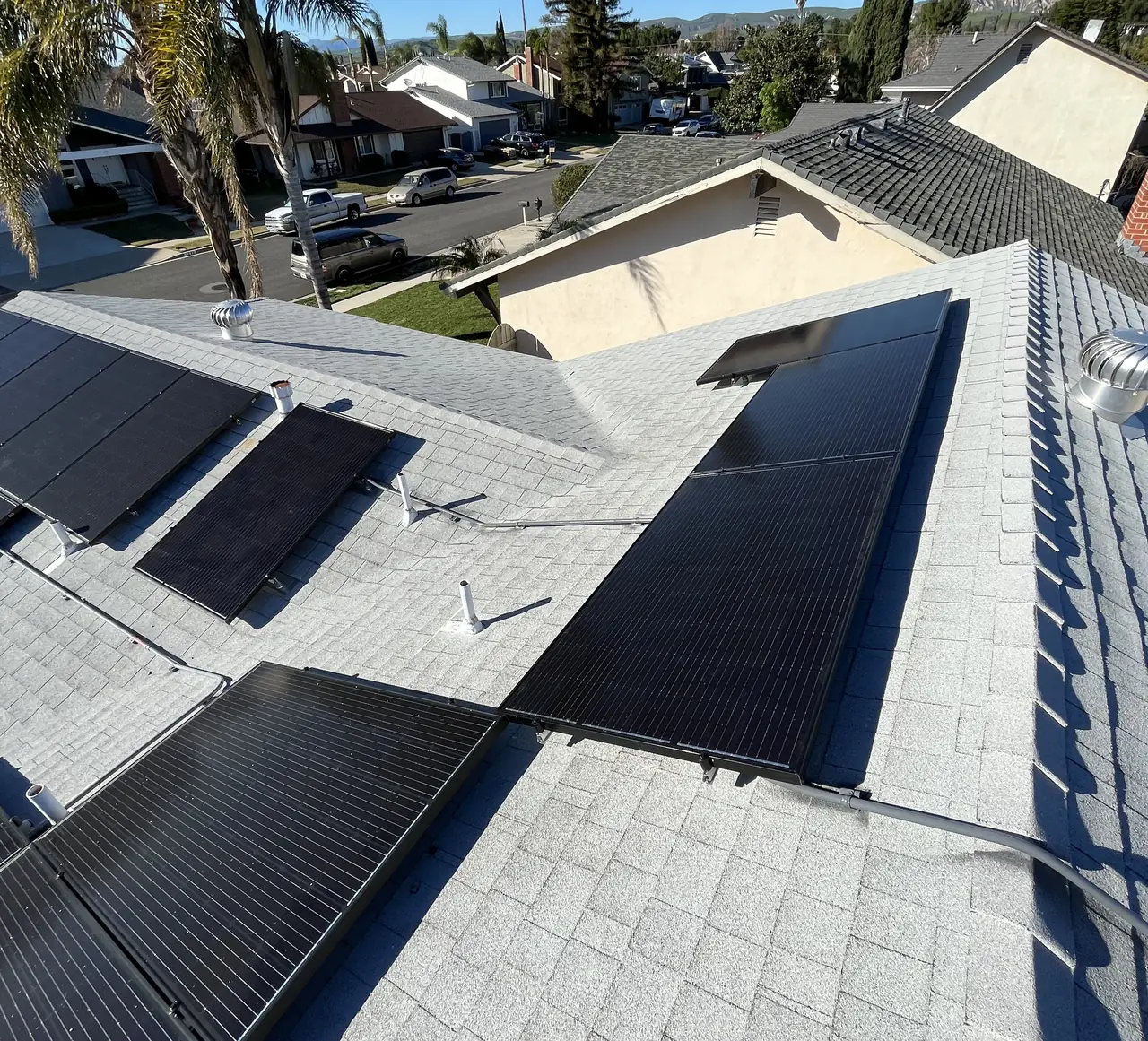
Eleven modules, on the single plane the household wanted, from a manufacturer that could actually be delivered — and the owners there on the day it was switched on, which is how they asked to end it.
Cali Energy designed, permitted and installed this array in Porter Ranch.
How it ran
| 18 May 2023 | Site inspection arranged |
|---|---|
| 22 May 2023 | First estimate — 11 modules on one plane |
| 20 June 2023 | Higher-output module rejected: eleven would not fit the plane |
| 21 June 2023 | Competing quote compared on matched assumptions |
| 24 September 2025 | Project restarts; layout rebuilt around a current module |
| 25 September 2025 | Layout rebuilt around a 445 W module; south plane only |
| 2 October 2025 | Site inspection with fresh roof photographs |
| 8 December 2025 | Installation |
| 10 December 2025 | Conduit painted to match the trim |
| 17 December 2025 | Meter installation assigned to a crew |
| 21 December 2025 | Meter authorized |
Two and a half years between the first estimate and the meter, and the array on the roof is not the one first drawn.
What we did
- Rejected a higher-output module because it did not fit the roof plane.
- Rebuilt the comparison against the second quote on matched assumptions.
- Redesigned the layout around a current module when the project resumed.
- Built the partial-coverage system the household asked for instead of talking it up.
- Painted the exterior conduit to match the trim.
System specifications
| Array | 11 modules, south plane |
|---|---|
| Module built with | Canadian Solar 445 W |
| Module first specified | REC 405 W |
| Coverage | Partial, by the household's choice |
| Finish | Exterior conduit painted to match the trim |
| Utility / AHJ | LADWP / LADBS |
Is your project like this one?
- Your roof planes are small and broken up.
- You are comparing two quotes built on different panels.
- The panel in your quote is no longer available.
- You want panels on one side of the house only.
Cali Energy in Porter Ranch
Porter Ranch is inside City of Los Angeles boundaries: permits run through LADBS and interconnection through LADWP. Tract roofs here are broken into small planes, and on small planes the physical size of a module decides the layout.
This installation is on the Porter Ranch projects page alongside the others, and what the work covers is set out on the Porter Ranch service area page.
- License and classifications: CSLB #1032379
- Official reference for this process: California Energy Commission — solar equipment lists
- Official reference for this process: CSLB — Solar Smart
Frequently asked questions
Why would a higher-output solar panel be the wrong choice?
Because panels differ in physical size as well as in wattage. On a small or broken-up roof plane a longer module can reduce how many fit, and fewer larger panels can produce less than more smaller ones. Layout is checked before wattage.
How do I compare two solar quotes fairly?
Match the assumptions first: same module count, same roof planes, same shading percentage, same inverter class. Quotes built on different assumptions are not comparable, and the more optimistic spreadsheet usually wins on paper.
What happens if the panel in my design is discontinued?
The layout is rebuilt around what can be bought. A different module means different dimensions and a different count, so the drawing changes — which is cheaper to do before installation than to explain at inspection.
Is it acceptable to cover only part of my electricity use?
Yes, and it is a legitimate choice. Partial coverage on one roof plane is common where a household does not want panels on a visible side. What matters is being given the production number that goes with the decision.
Does Cali Energy install small solar systems in Porter Ranch?
Yes. Eleven modules is a normal project here, permitted through LADBS and interconnected through LADWP like any other. Small systems get the same plan set and the same inspection as large ones.
What this would look like on your roof
Planning solar in Porter Ranch? Tell us your utility, your roof and what your bill looks like now, and we will model what a system like this would do on your house before you commit to anything.
Or call +1 (323) 844-7777 · Cali Energy, Northridge · CSLB #1032379 (B, C-10, C-39) — design, permits, install and electrical under one licensed contractor.
Related
This timeline reflects this property and this permitting path. Updated September 2026.