

Northridge, CA · December 2021 – February 2022 · LADWP / LADBS
Thirty-four modules, tilted up, and one request for photographs.
Twelve point four kilowatts of modules on a flat roof, tilted up. The array was never the hard part — the hold was a set of photographs the utility asks for when you are not changing the meter panel.
On a flat roof the array has no angle unless the racking gives it one, so the system is designed around tilt legs and the wind loading that comes with them. Separately, when an interconnection is filed as a standard process job with no meter panel change, the utility requires a specific set of photographs before it will progress the request.
At a glance
- Array
- 12.41 kW DC — 34 × 365 W
- Modules
- 34 × REC 365 W
- Microinverters
- 34 × Enphase IQ7PLUS
- Racking
- IronRidge tilt-up on XR-10 rails
- Existing service
- 400 A main panel, not upgraded
- Added
- 225 A sub-panel
- Request to PTO
- Eleven weeks
- Utility / AHJ
- LADWP / LADBS
The story
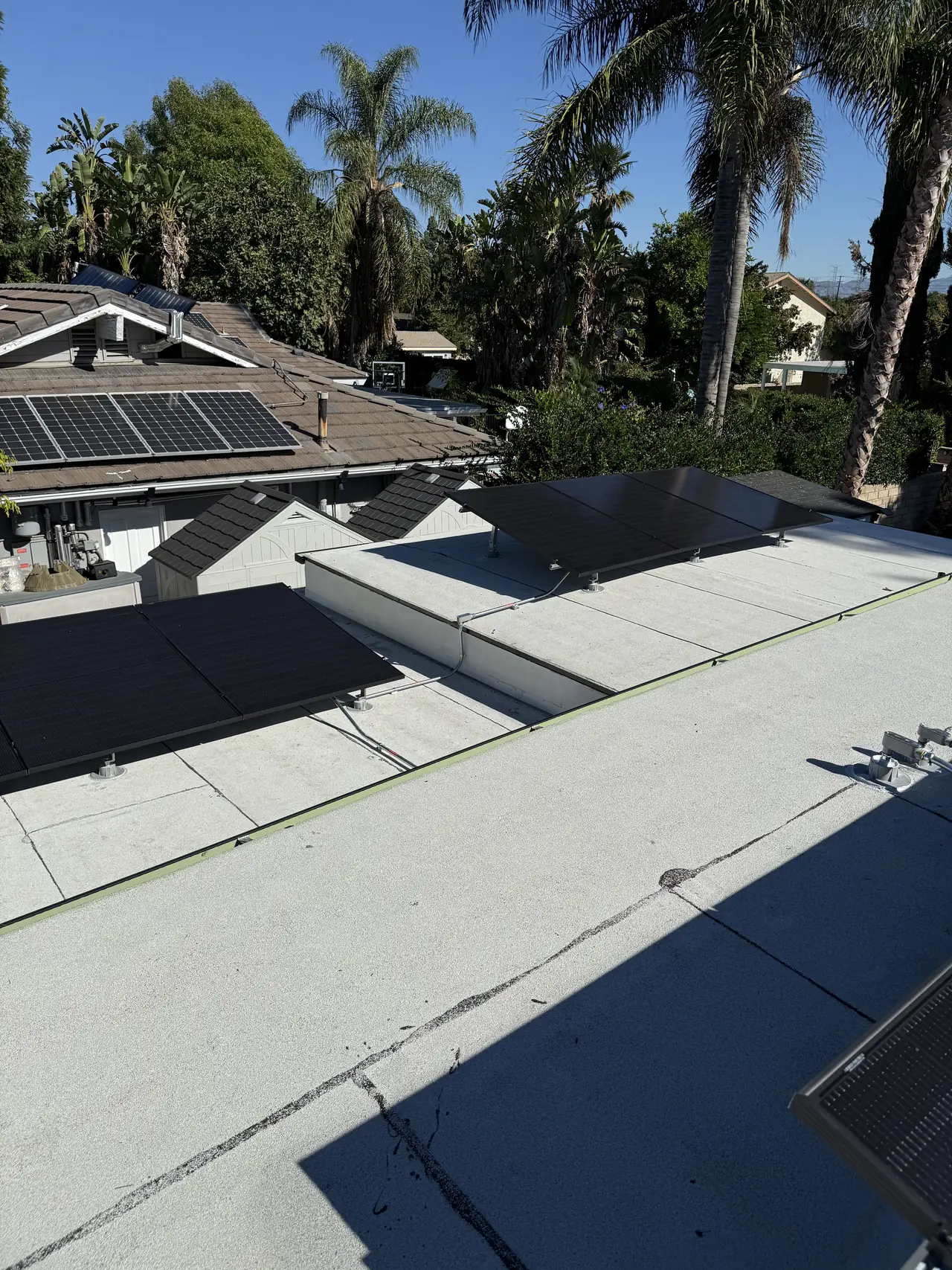
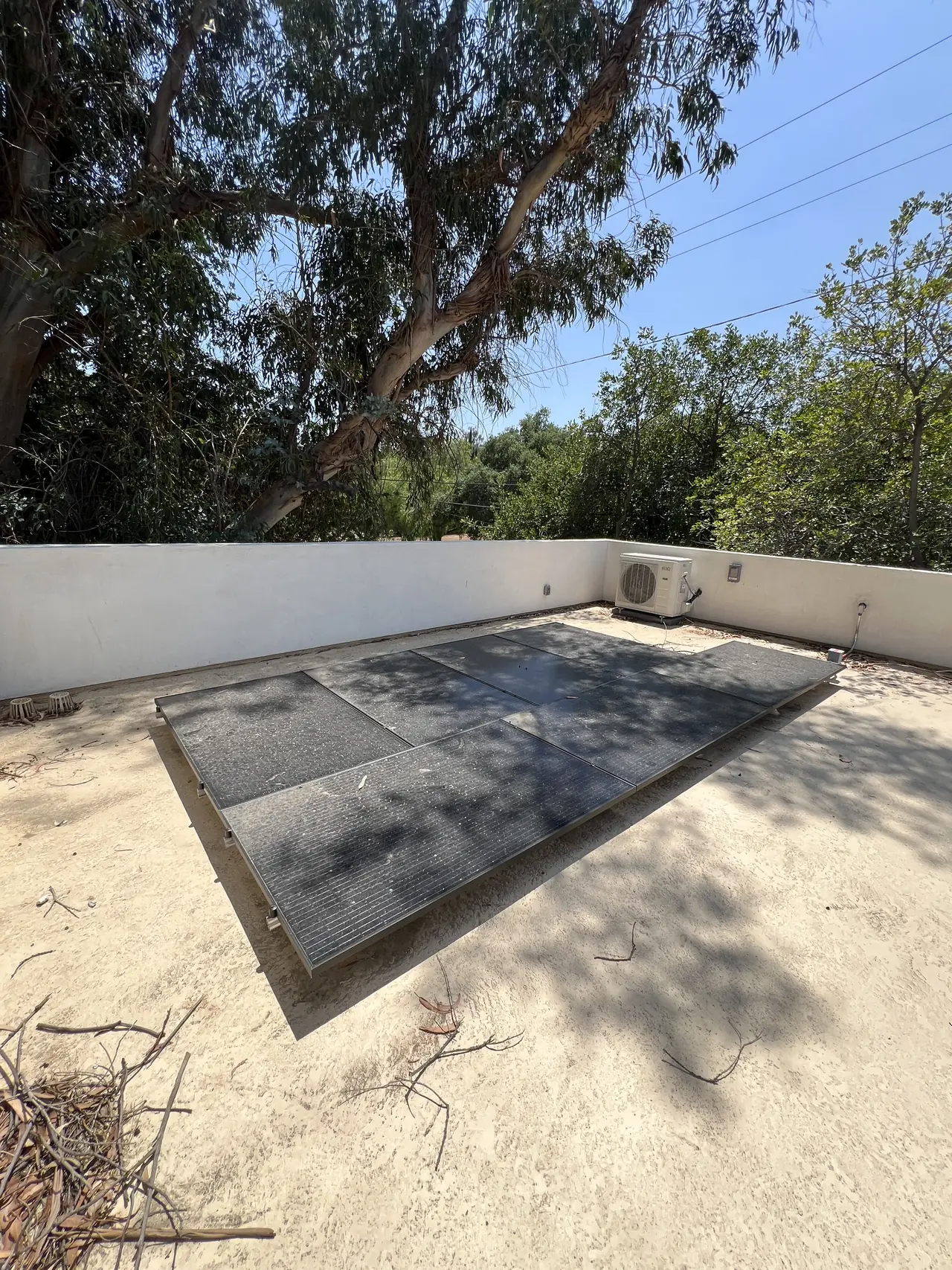
Thirty-four modules is the largest count we have put on a house here. On a pitched roof that is simply a lot of rail. On a flat roof it is a different design problem: the modules have no angle unless the racking gives them one, so each row sits on tilt legs and the whole assembly has to hold against wind rather than lie flat under it.
The plans put it at 12.410 kilowatts DC — thirty-four REC 365 watt modules on IronRidge tilt-up hardware over XR-10 rails, into 2×4 rafters at twenty-four inches, with one Enphase IQ7PLUS microinverter per module.
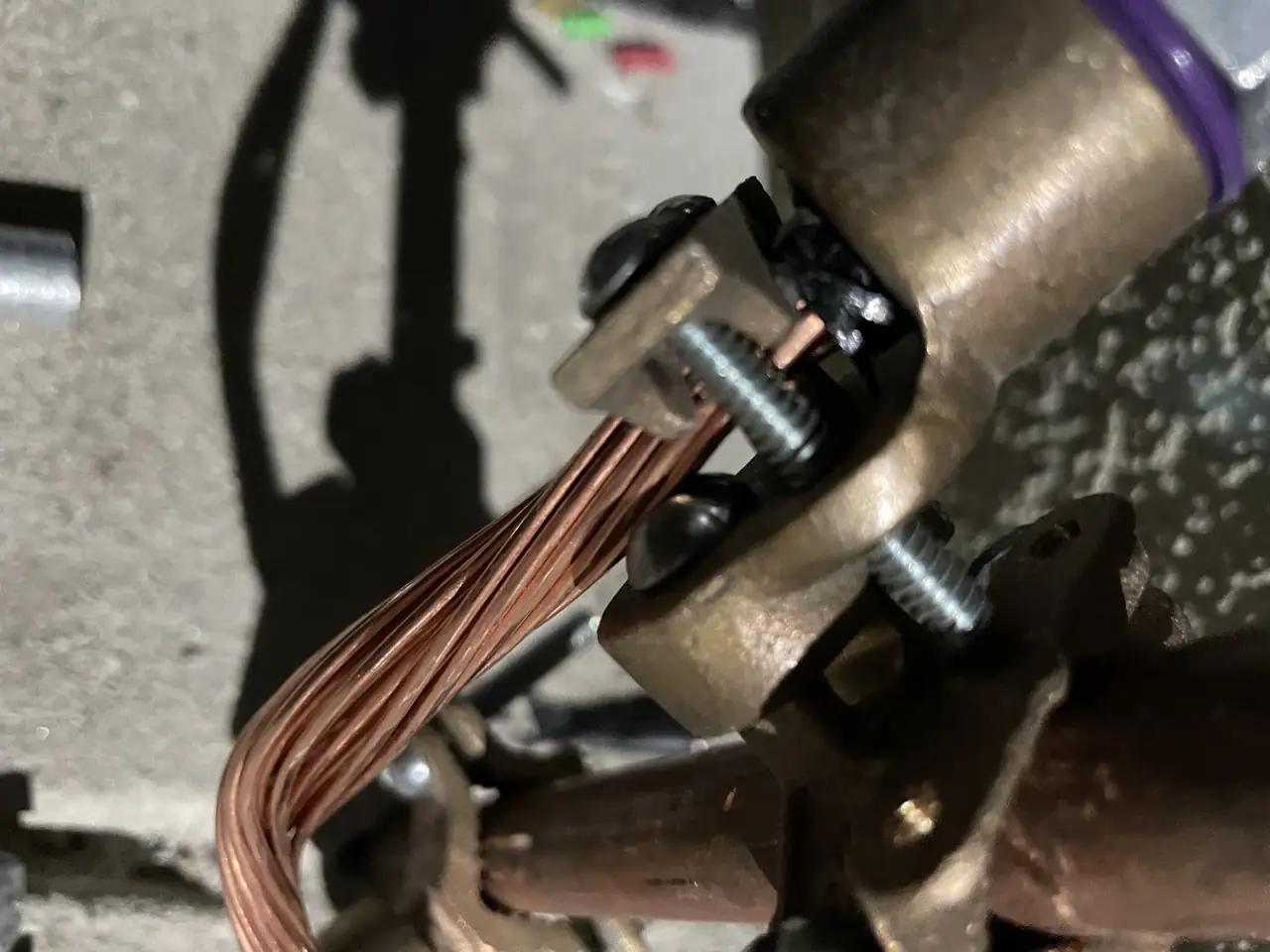
The electrical scope was the interesting part. The house already had a 400 amp main panel and it was not upgraded. What the array needed instead was a new 225 amp sub-panel, with a smart meter to be fitted once the solar work was finished.
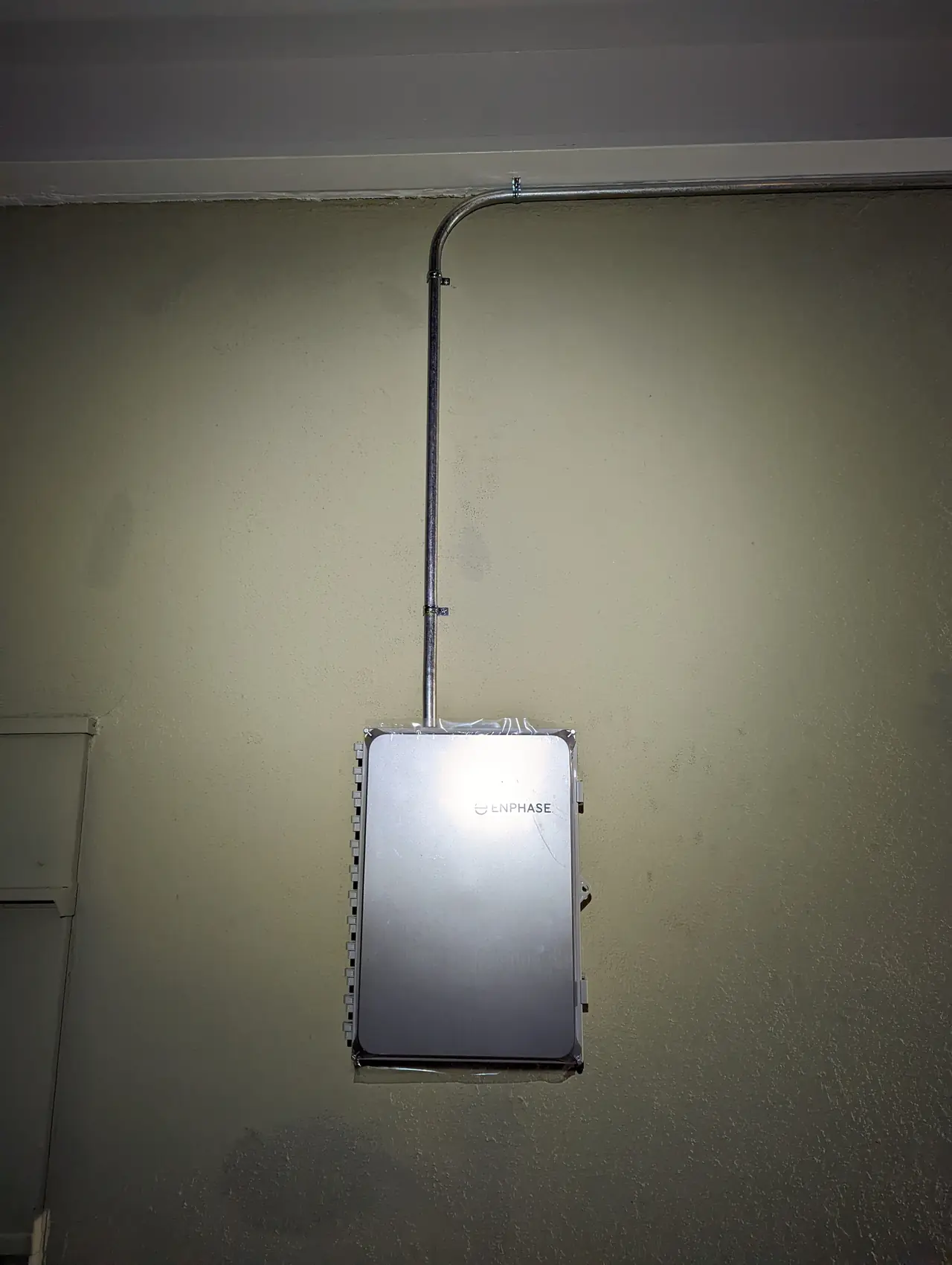
That combination — a large array, an existing panel, a new sub-panel — is exactly the case the utility asks questions about. The request was filed as a standard process job with no meter panel change, and in the middle of January the interconnection group wrote back asking for the mandatory photographs that go with that route: the meter, the service panel, the working space in front of them.
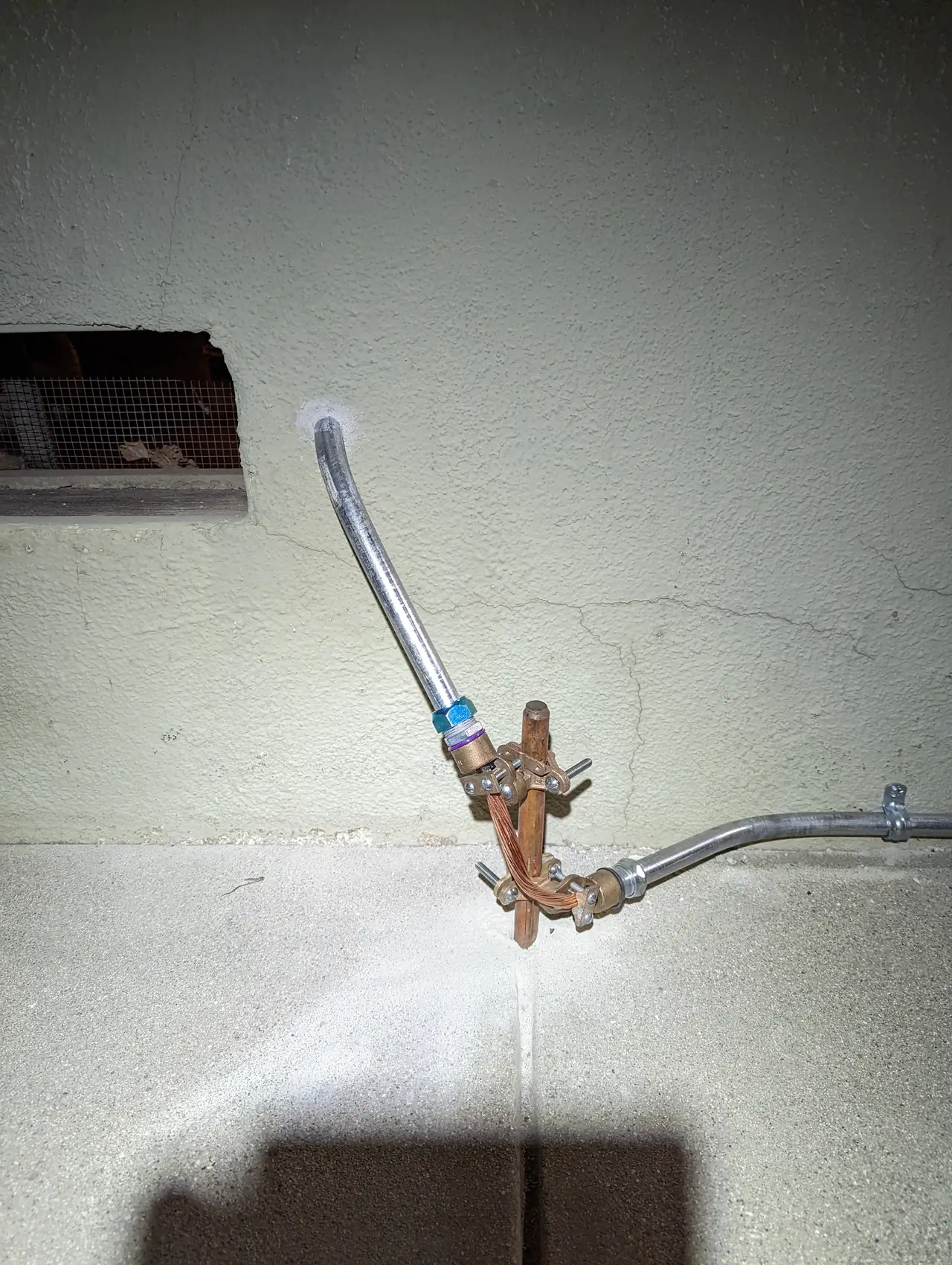
The photographs went over the same morning. Then nothing for three weeks. When we chased it on the third of February the department replied that it still had not received them, so they went again, and a separate photograph of the disconnect followed a fortnight after that. Three weeks of a project sitting still because a set of files did not arrive is worth saying out loud rather than glossing: the lesson we took from it is to chase a silent request at one week, not at three. Once the set was in hand the request moved — five progress notices on the same day, the installation released on the twenty-third and permission to operate two days later.
If you are filing a job like this, take the photographs on the first visit. They are not optional, and the request does not move without them.
How it ran
| 9 December 2021 | Interconnection request filed |
|---|---|
| 14 January 2022 | Utility requests the mandatory photo set |
| 14 January 2022 | Photographs sent the same morning |
| 3 February 2022 | Photographs resent; five progress notices issued same day |
| 14 February 2022 | Disconnect photograph supplied |
| 23 February 2022 | Solar service installation released |
| 25 February 2022 | Permission to operate |
Five progress notices in a single day, once the photo set was complete.
What we did
- Designed a thirty-four module array on tilt-up racking for a flat roof.
- Kept the existing 400 amp main panel and added a new 225 amp sub-panel instead of upgrading it.
- Supplied the utility's mandatory photograph set the morning it was requested, and again when the department reported it had not arrived three weeks later.
- Installed one Enphase IQ7PLUS microinverter per module.
- Carried the interconnection through to permission to operate.
System specifications
| Array | 12.41 kW DC on the approved plans |
|---|---|
| Modules | 34 × REC REC365AA, 365 W |
| Microinverters | 34 × Enphase IQ7PLUS-72-2-US |
| Racking | IronRidge tilt-up, XR-10 rails |
| Structure | 2×4 rafters at 24 in on centre |
| Main panel | Existing 400 A, not upgraded |
| Added | New 225 A sub-panel; smart meter fitted after the solar work |
| Utility / AHJ | LADWP / LADBS |
Is your project like this one?
- Your roof is flat or low slope and you want to know how the array gets its angle.
- You have a large service and want to know whether it has to be replaced.
- Your interconnection request has stalled and you do not know what is missing.
- You want to know what the utility asks for before it will start work.
- You want a large array without replacing a service that still has capacity.
Cali Energy in Northridge
Northridge is inside City of Los Angeles boundaries: permits run through LADBS, interconnection through LADWP.
Flat and low-slope roofs are common on the mid-century houses in central Northridge, and they change both the racking and what the utility wants to see before it starts.
This installation is on the Northridge projects page alongside the others, and what the work covers is set out on the Northridge service area page.
- License and classifications: CSLB #1032379
- Official reference for this process: LADWP interconnection requirements
- Official reference for this process: California Energy Commission — solar equipment lists
Frequently asked questions
Why does a flat roof need tilt-up racking?
Because the modules have no angle otherwise. On this roof each row sits on tilt legs over IronRidge XR-10 rails, which sets the angle and also means the assembly has to be held against wind rather than simply laid flat.
What photographs does the utility ask for?
On this project, filed as a standard process job with no meter panel change, the interconnection group asked for the mandatory photo set covering the meter, the service panel and the working space, and later a photograph of the disconnect. The request does not progress until they have it.
Do I need a bigger main panel for a large array?
Not always. This house kept its existing 400 amp main panel and took a new 225 amp sub-panel instead. What matters is what the busbar and main breaker will carry alongside the household.
How large can a residential array get?
This one is thirty-four modules at 12.41 kilowatts DC, the largest count we have built in the neighbourhood. The limit is the roof, the service and the utility's review rather than a fixed number.
What slowed this project down?
A photograph set requested in January and sent the same morning, which the department then reported it had not received. Three weeks passed before that came to light. Once the set was in hand, five progress notices issued on a single day.
Does Cali Energy install on flat roofs in Northridge?
Yes. Cali Energy holds B, C-10 and C-39 classifications under CSLB #1032379.
What this would look like on your roof
Planning solar in Northridge? Tell us your utility, your roof and what your bill looks like now, and we will model what a system like this would do on your house before you commit to anything.
Or call +1 (323) 844-7777 · Cali Energy, Northridge · CSLB #1032379 (B, C-10, C-39) — design, permits, install and electrical under one licensed contractor.
Related
This timeline reflects this property and this permitting path. Updated September 2026.