

North Hills, Los Angeles, CA · October 2021 – February 2022 · LADWP / LADBS
North Hills: the electrical final closed in eleven days.
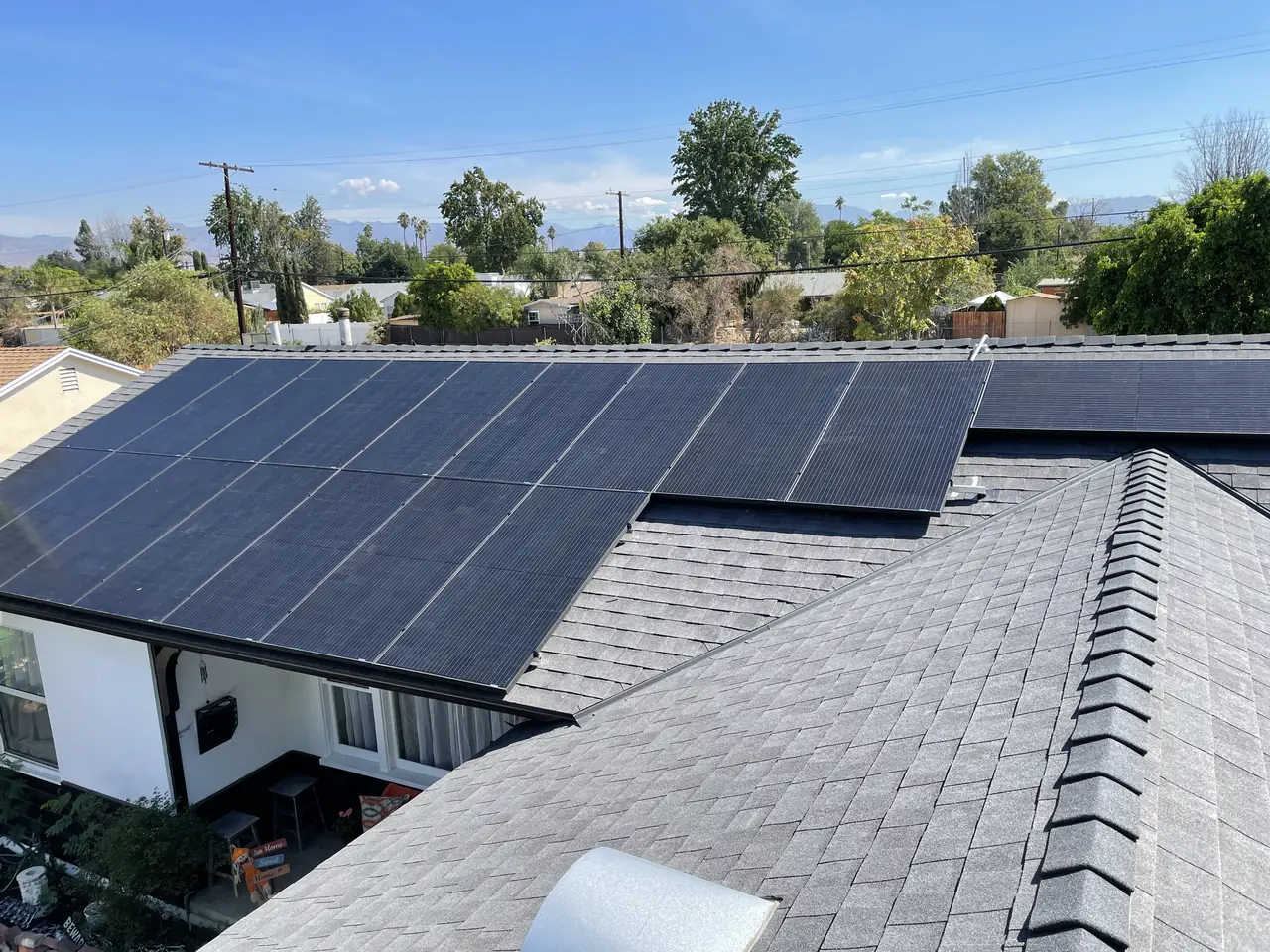
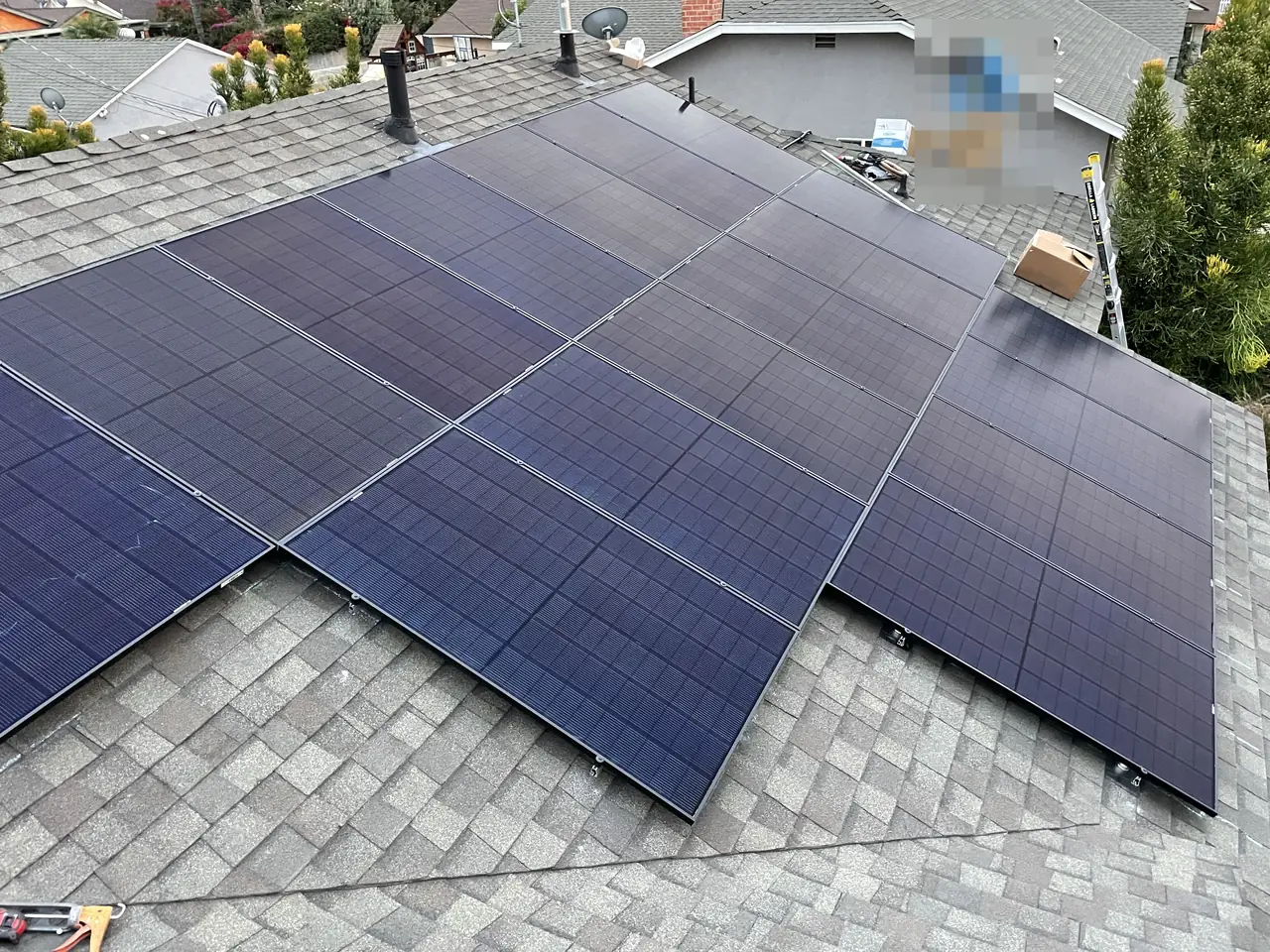
The array went on over two days in October. The electrical final was called in at the end of January, the inspector's notes were answered the same week, and on the seventh of February the permit closed.
A solar final inspection in North Hills covers labeling, working clearances, conductor routing, grounding and the connection at the service, and a note on any of them means the job is called back in. On this array across two planes of a shingle roof, the inspector's notes were answered the same week and the electrical file closed on the seventh of February, eleven days after the final was called in. Cali Energy answers a note the same week rather than letting it sit, because the elapsed time on a final is almost entirely the contractor's response time.
At a glance
- Array
- Two planes of a composition shingle roof
- Inverter
- One SolarEdge HD Wave string inverter, wall mounted
- Service
- Service equipment replaced
- Installed
- Over two days in October 2021
- First call to closed file
- Eleven days
- Electrical file closed
- 7 February 2022
- Utility / AHJ
- LADWP / LADBS
The story
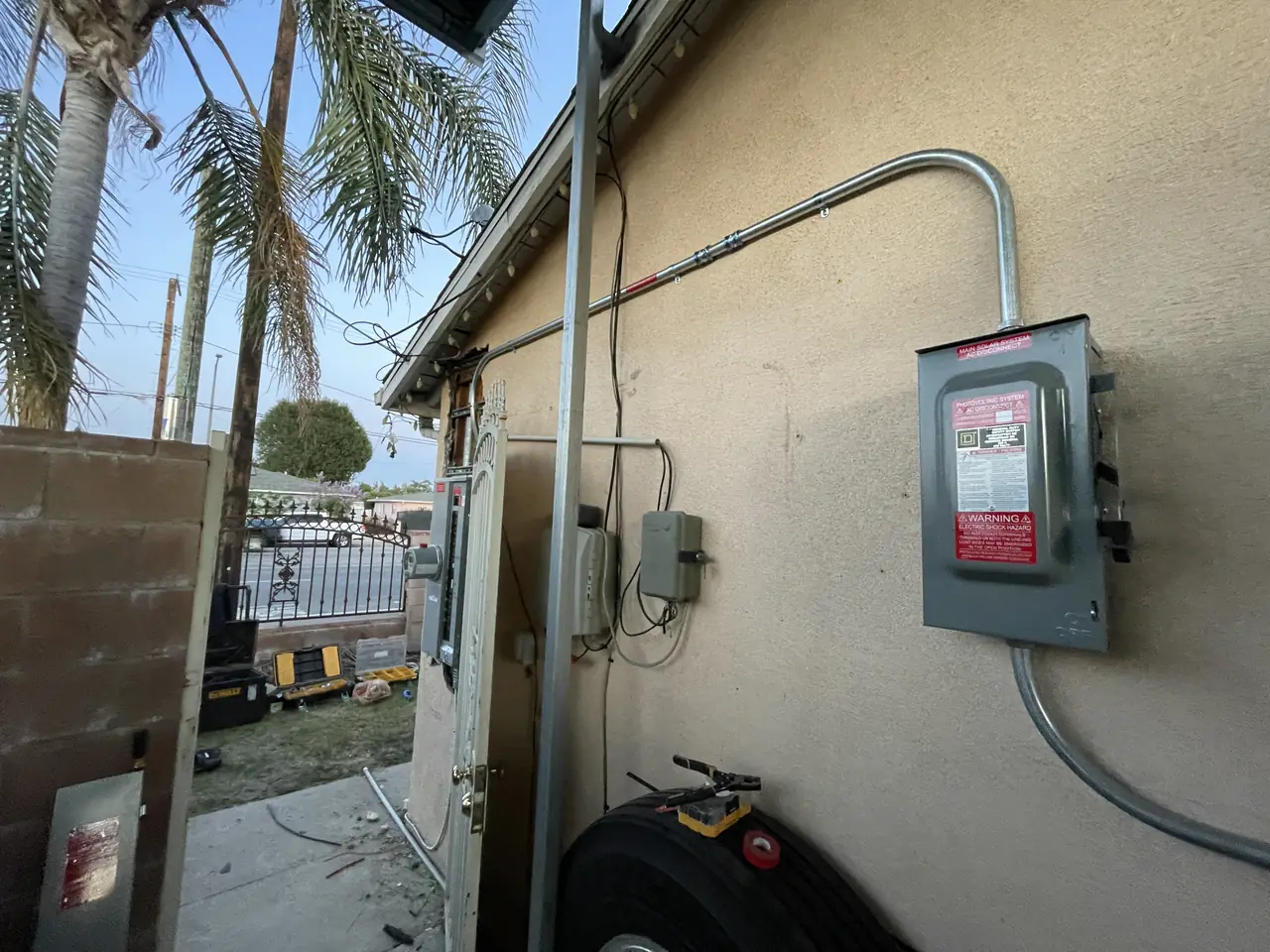
The modules arrived and were stacked against the block wall in the side yard on a Monday evening in October. By the following midday they were on the roof. The array runs across two planes: a long run on the plane facing the street and a second group on the plane above the rear yard, with a string inverter on the wall below and the service equipment replaced alongside it.
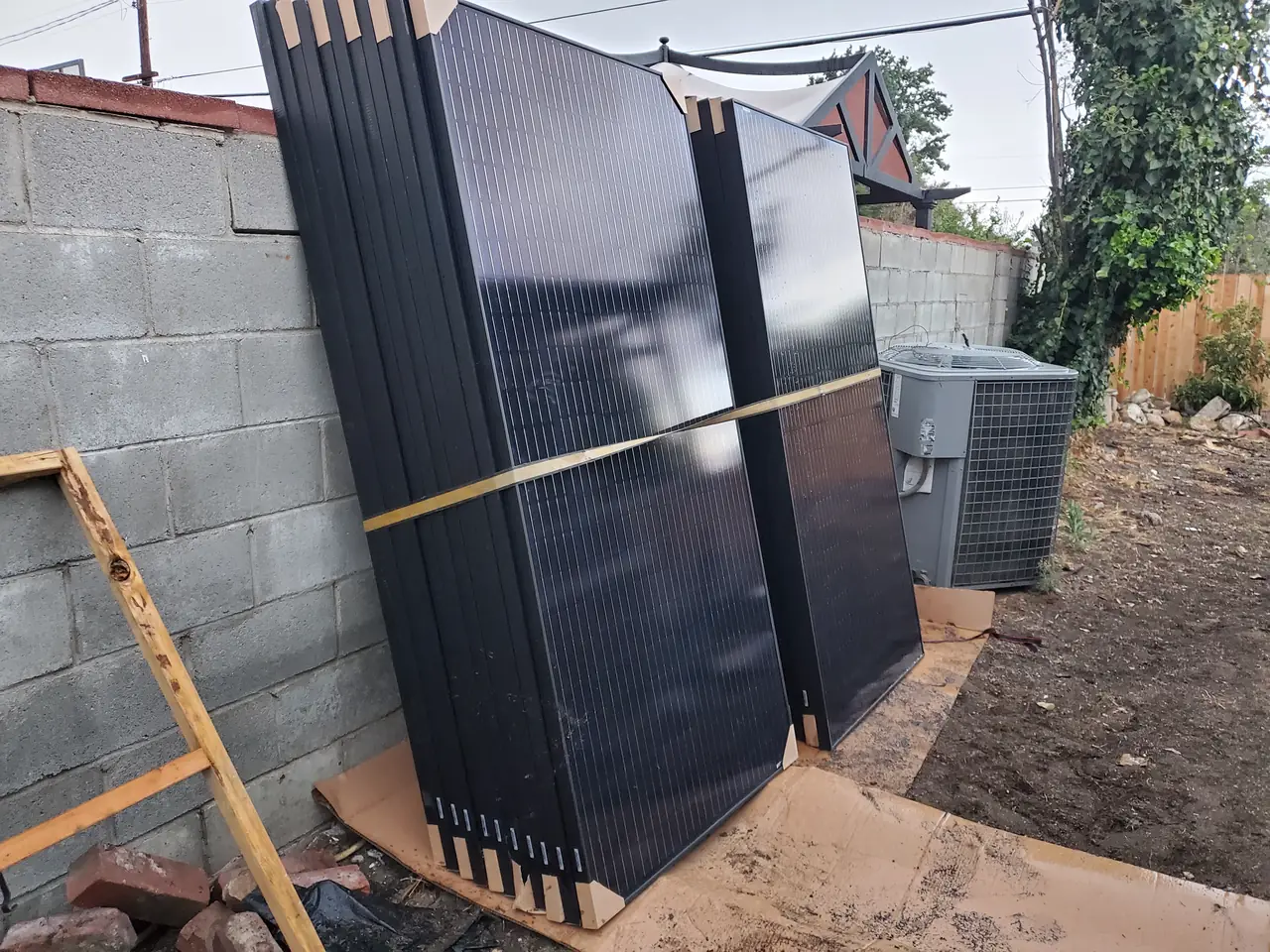
Post-installation photographs went across within days. In January the inverter label was asked for separately and sent the same morning. That is routine and worth doing properly: the label carries the model and the certification marks, and a package that does not have it is not complete when the inspector opens it.
The electrical final was called in at the end of January. The inspector's note came at the start of February.
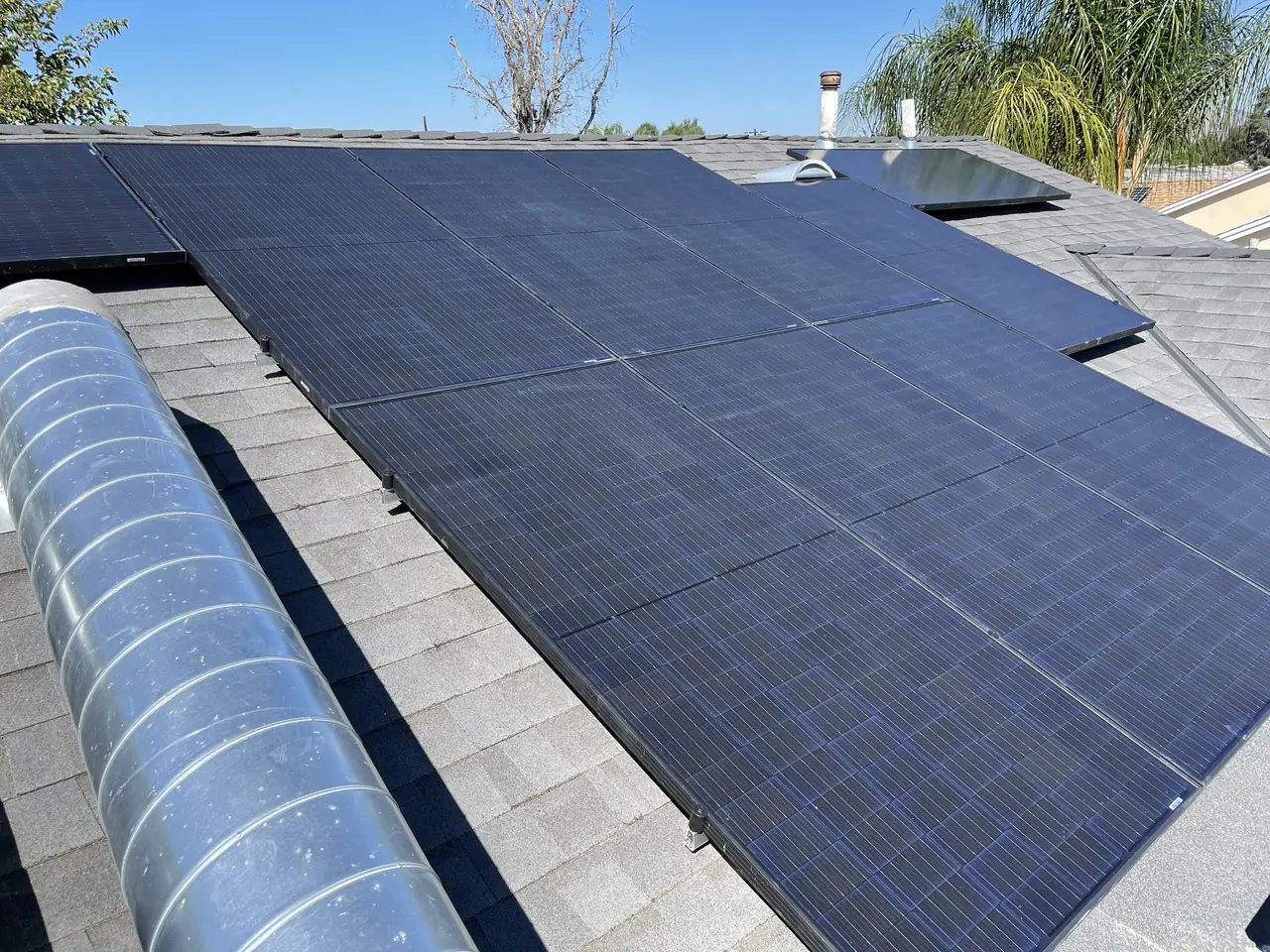
This is the point where most people assume something is wrong with the installation. Usually nothing is. A solar final covers labeling at the disconnect and the service, the working clearances in front of the equipment, how the conductors are routed and supported, the grounding and bonding, and the connection at the panel. Any one of those can produce a note, and a note is an instruction rather than a verdict.
The note was answered and the job was called back in the next day, the follow-up was answered the same way, and on the seventh of February the electrical file closed — eleven days from the first call to a closed file.
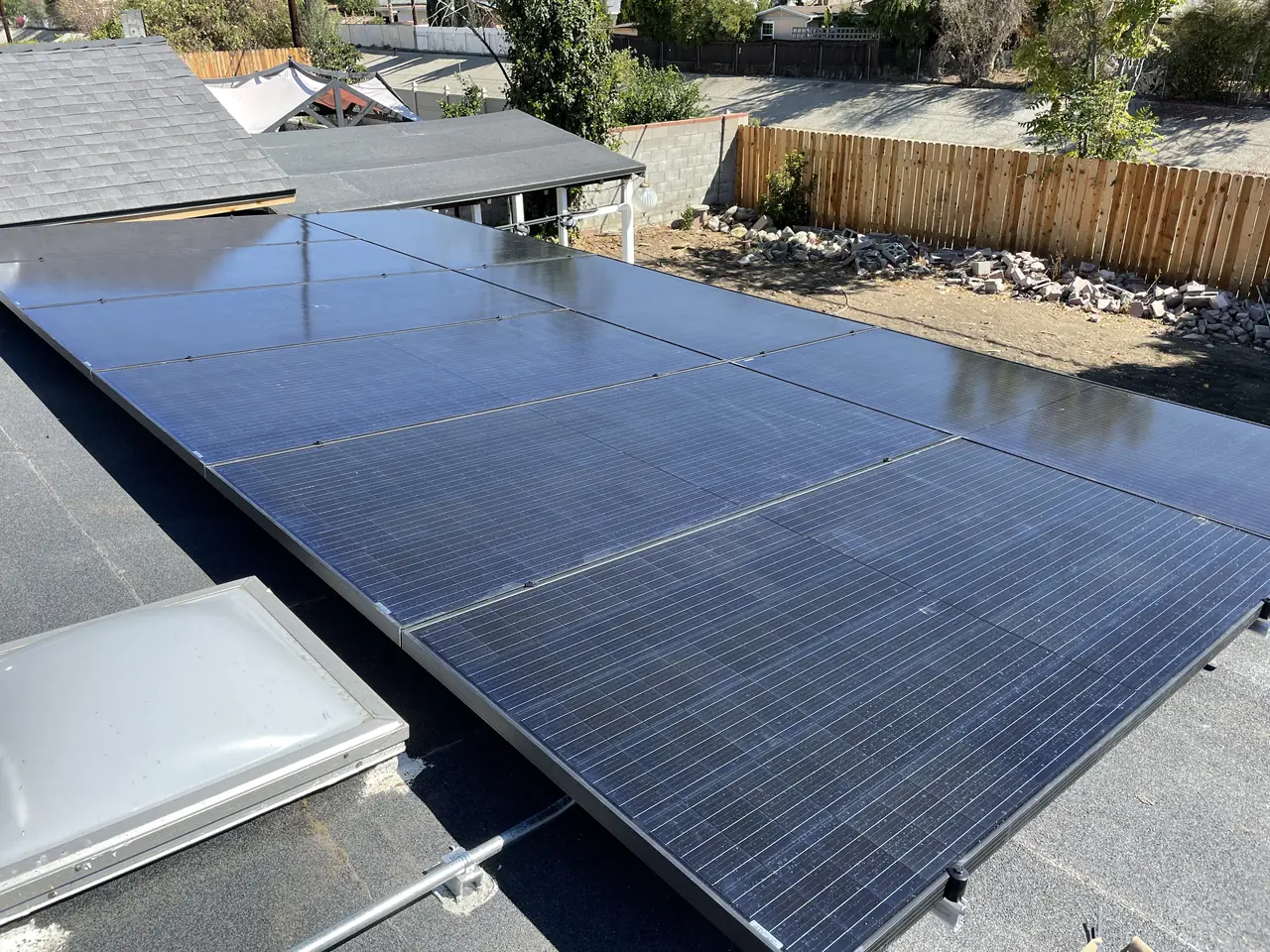
What decides that elapsed time is not the inspector. It is how long the contractor takes to read the note, do the work and call the job back in. A correction answered the same week closes in days. The same correction left in an inbox turns a two-week final into a two-month one, and the array sits finished on the roof the whole time.
So the useful question to ask an installer is how quickly a job goes back in after an inspector's note, and what the gap looked like on their last few finals. On this North Hills house it was eleven days from the first call to a closed electrical file, on the seventh of February 2022, and the array has powered the house since.
How it ran
| 4 October 2021 | Modules delivered to the side yard |
|---|---|
| 5 October 2021 | Array installed across both planes; service equipment replaced |
| October 2021 | Post-installation photographs supplied |
| January 2022 | Inverter label supplied on request |
| 28 January 2022 | Electrical final called in |
| 1 February 2022 | Inspector's note answered; job called back in |
| 7 February 2022 | Electrical file closed |
Eleven days from the first call to a closed file. The elapsed time on a final is mostly the contractor's response time, not the inspector's.
What we did
- Installed the array across two planes and mounted the inverter and service equipment at the wall.
- Replaced the service equipment as part of the same installation.
- Supplied post-installation photographs and the inverter label for the project package.
- Answered each note from the inspector and called the job back in the next day.
- Saw the electrical file closed eleven days after the first inspection call, and the system switched on.
System specifications
| Modules | Across two planes of a composition shingle roof |
|---|---|
| Inverter | SolarEdge HD Wave, wall mounted |
| Service | Service equipment replaced |
| Roof | Composition shingle, with a low-slope section at the rear |
| Inspection | Final closed 7 February 2022 |
| First call to closed file | Eleven days |
| Utility / AHJ | LADWP / LADBS |
Is your project like this one?
- Your solar final has come back with a correction and you do not know what it means.
- You have been told your job needs a second inspection visit.
- Your array has been finished for weeks and the permit is still open.
- You want to know what an inspector actually looks at on a solar final.
- You are comparing installers and want to know how fast they answer a correction.
Cali Energy in North Hills
North Hills sits inside City of Los Angeles boundaries: permits run through LADBS, interconnection through LADWP.
A final inspection in Los Angeles is not a single yes or no. It is a sequence: the inspector visits, writes a correction if something needs changing, and comes back when the job is called in again. Two corrections over eleven days is a working file, not a troubled one, and the number that matters is not how many notes were written but how fast each one was answered.
This installation is on the North Hills projects page alongside the others.
- License and classifications: CSLB #1032379
- Official reference for this process: LADBS — inspections
- Official reference for this process: California Energy Commission — solar equipment lists
Frequently asked questions
Is a correction at a solar final inspection a bad sign?
Not by itself. A final covers labeling, working clearances, conductor routing, grounding and the connection at the service, and a note on any of them sends the job back for another visit. It is an instruction, not a verdict on the installation. What matters is how fast the note is answered: on this project the file closed eleven days after the final was called in.
What does an inspector actually check on a solar final?
The things that make the system safe to live with rather than the things that make it produce. Labeling at the disconnect and the service so anyone arriving later knows what is there, the working clearance in front of the equipment, how the conductors are routed and supported, the grounding and bonding, and the connection at the panel. The modules themselves are rarely the subject of a note.
How long should a final inspection take from start to finish?
Days rather than weeks when corrections are answered promptly. This file ran eleven days from the first call to closing. The variable is almost entirely the contractor: the inspector returns when the job is called back in, so a note left unanswered for two weeks adds two weeks to the calendar and nothing else.
My array is finished but the permit is still open. What is holding it up?
Ask your installer whether a correction has been issued and what it says. An open permit after a finished installation almost always means a note is outstanding, and those notes are usually small: a missing label, a clearance, a support. The array is not the problem, and nothing about it needs to be taken apart to close the permit.
Does Cali Energy service solar systems in North Hills?
Yes. Cali Energy works across North Hills and the rest of the San Fernando Valley on new installations, on panel and service upgrades, and on systems that need attention after they are running. On this project we were the installing contractor, and we answered each inspection correction the same week it was issued. License CSLB #1032379.
What this would look like on your roof
Planning solar in North Hills? Tell us your utility, your roof and what your bill looks like now, and we will model what a system like this would do on your house before you commit to anything.
Or call +1 (323) 844-7777 · Cali Energy, Northridge · CSLB #1032379 (B, C-10, C-39) — design, permits, install and electrical under one licensed contractor.
Related
This timeline reflects this property and this permitting path. Updated September 2026.