

Echo Park, CA · April 2021 – April 2022 · LADWP / LADBS
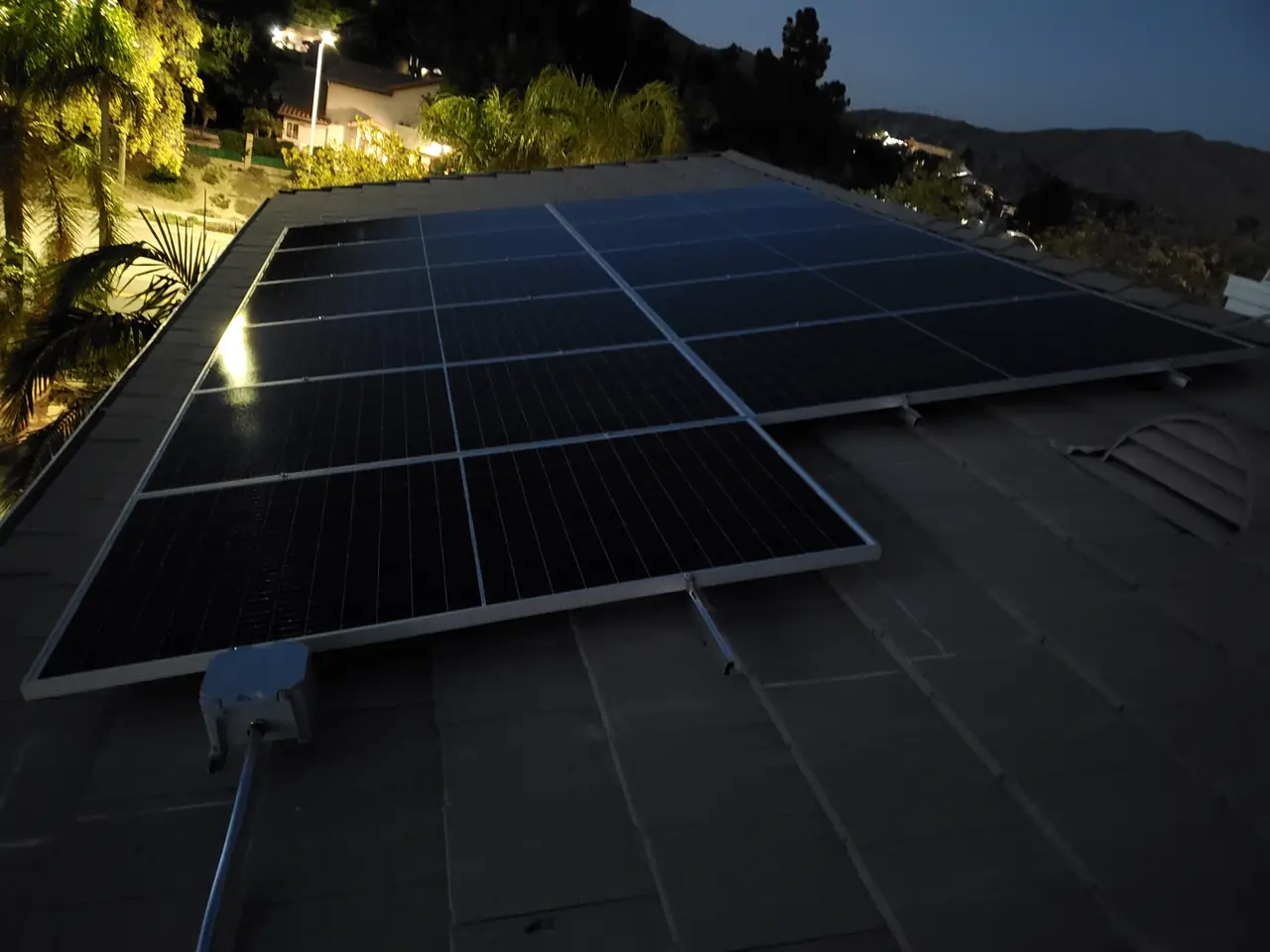
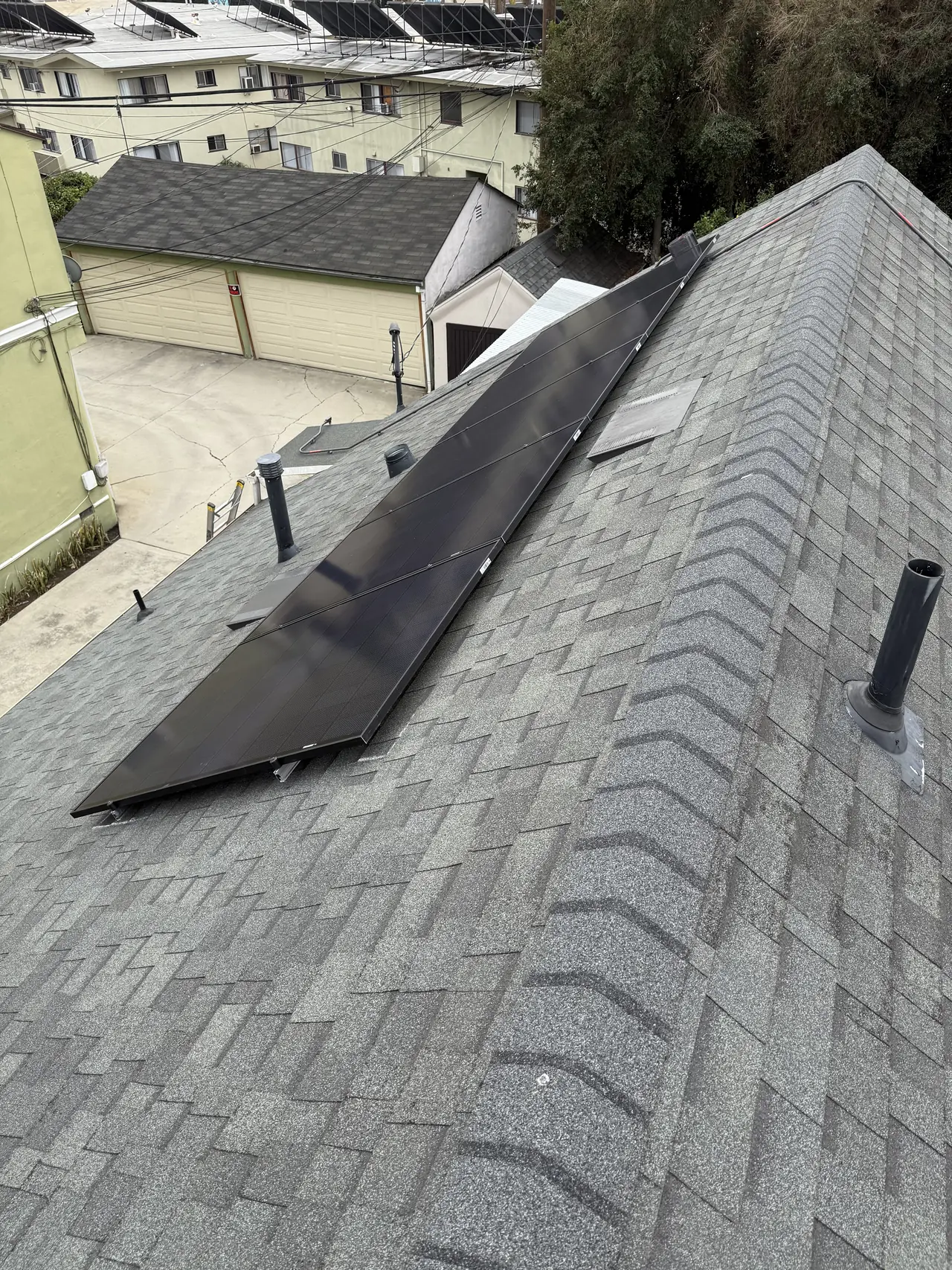
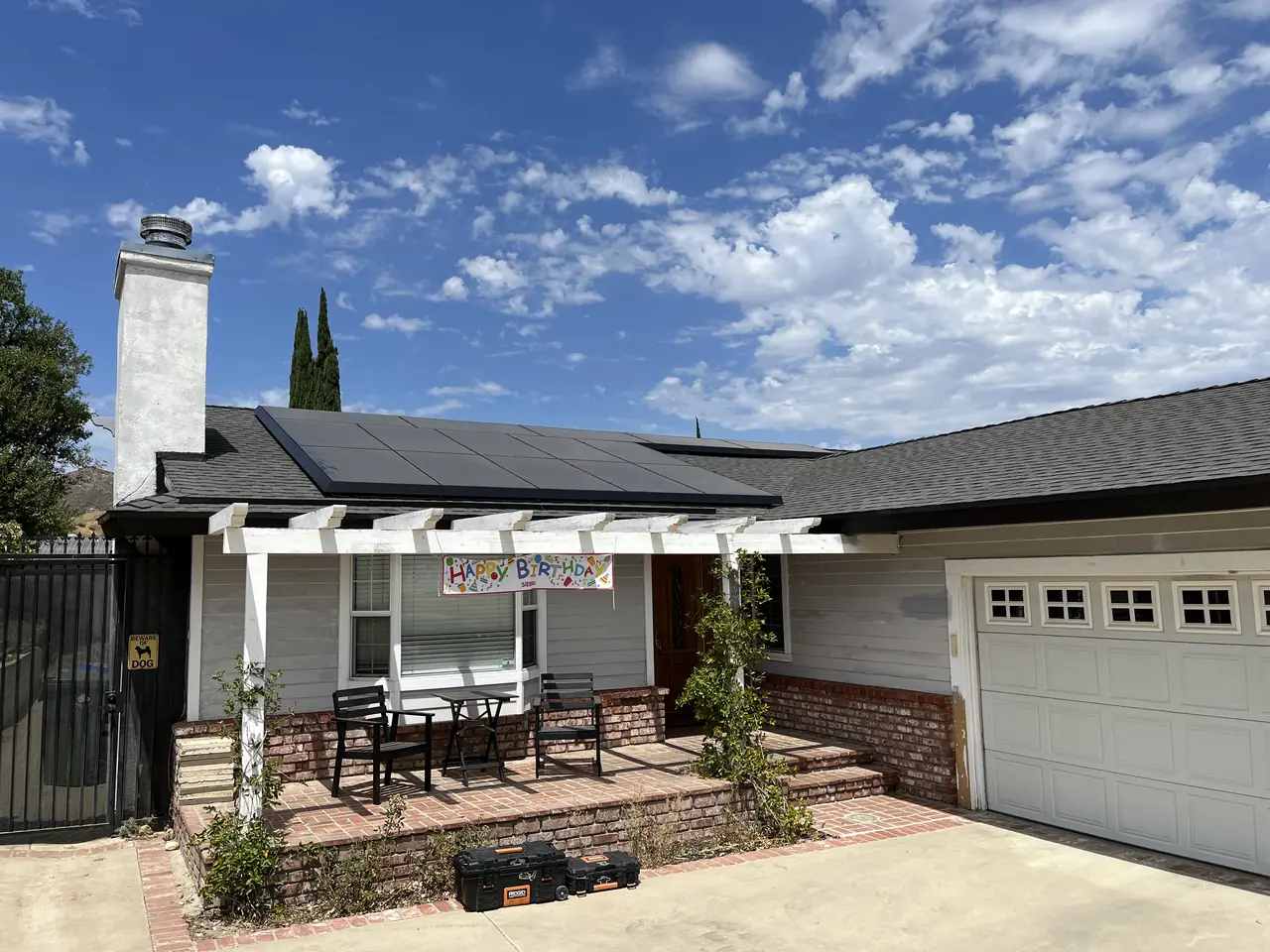
Echo Park: the roof section opened and rebuilt at our cost.
Twenty-seven days from application to permission to operate, and a year later a roof section opened and rebuilt rather than patched.
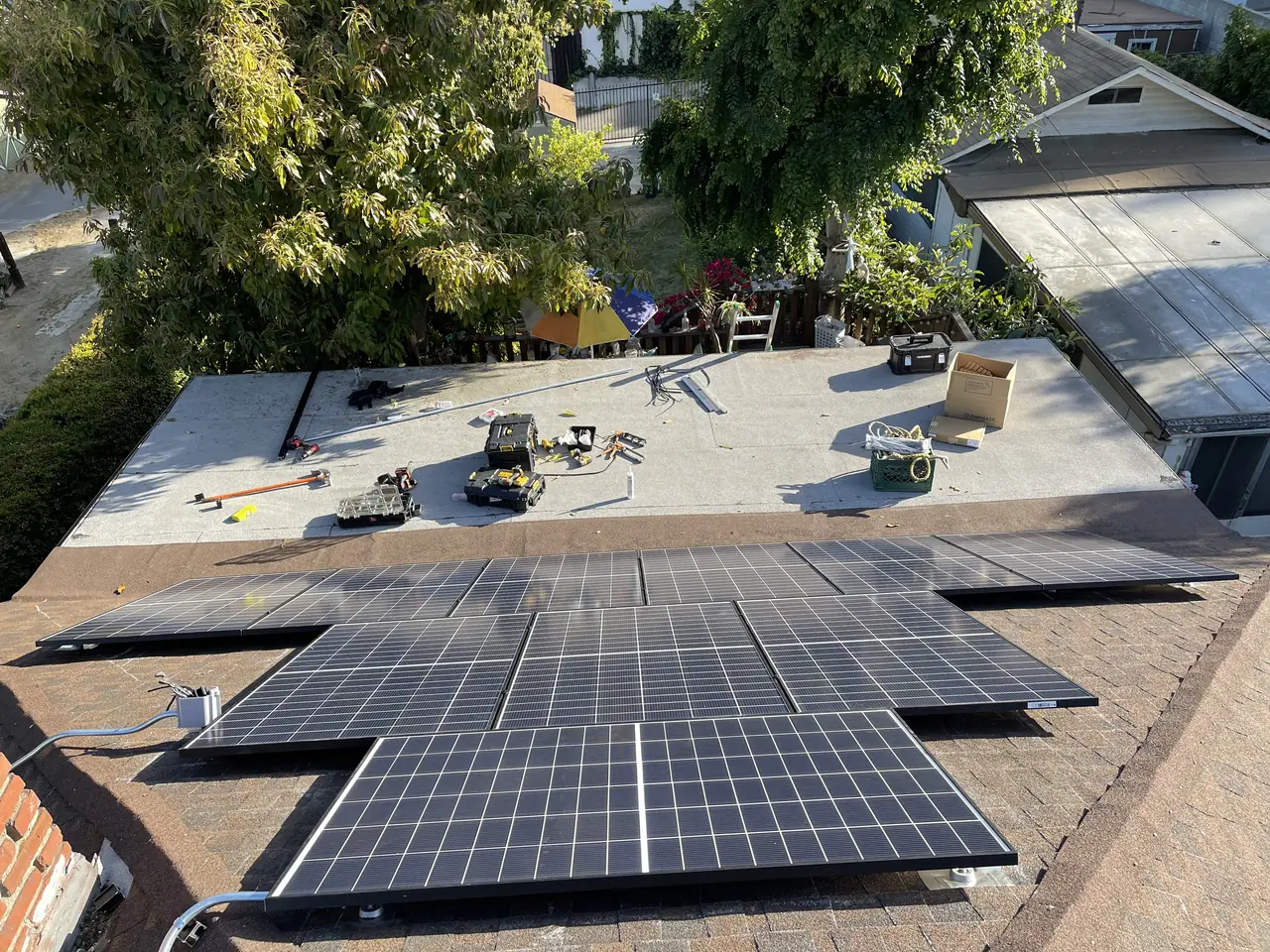
When a roof leak is reported after an installation, what decides the outcome is how fast somebody gets on the roof and whether they open the section or patch it. On this 5.5 kW project in Echo Park, Los Angeles, Cali Energy sent a roofer within three days of the report, opened the low-slope section so the deck underneath could be inspected, and rebuilt it at our own cost.
At a glance
- System
- 5.5 kW AC-CEC
- Filing to permission to operate
- Twenty-seven days
- Meter spot
- Accepted by virtual inspection
- Reported
- A leak under the low-slope section, a year on
- Outcome
- Section torn off and rebuilt, at our cost
- Utility / AHJ
- LADWP / LADBS
The story
The interconnection went about as well as an interconnection goes. The request was acknowledged on the twenty-third of April. The meter spot was accepted four days later by virtual inspection rather than a site visit, which is the single thing that most often decides whether this stage takes days or weeks. Four progress notices landed together on the twenty-eighth, the installation was approved on the eighth of May, and permission to operate came on the twentieth.
Twenty-seven days from application to a system allowed to run.
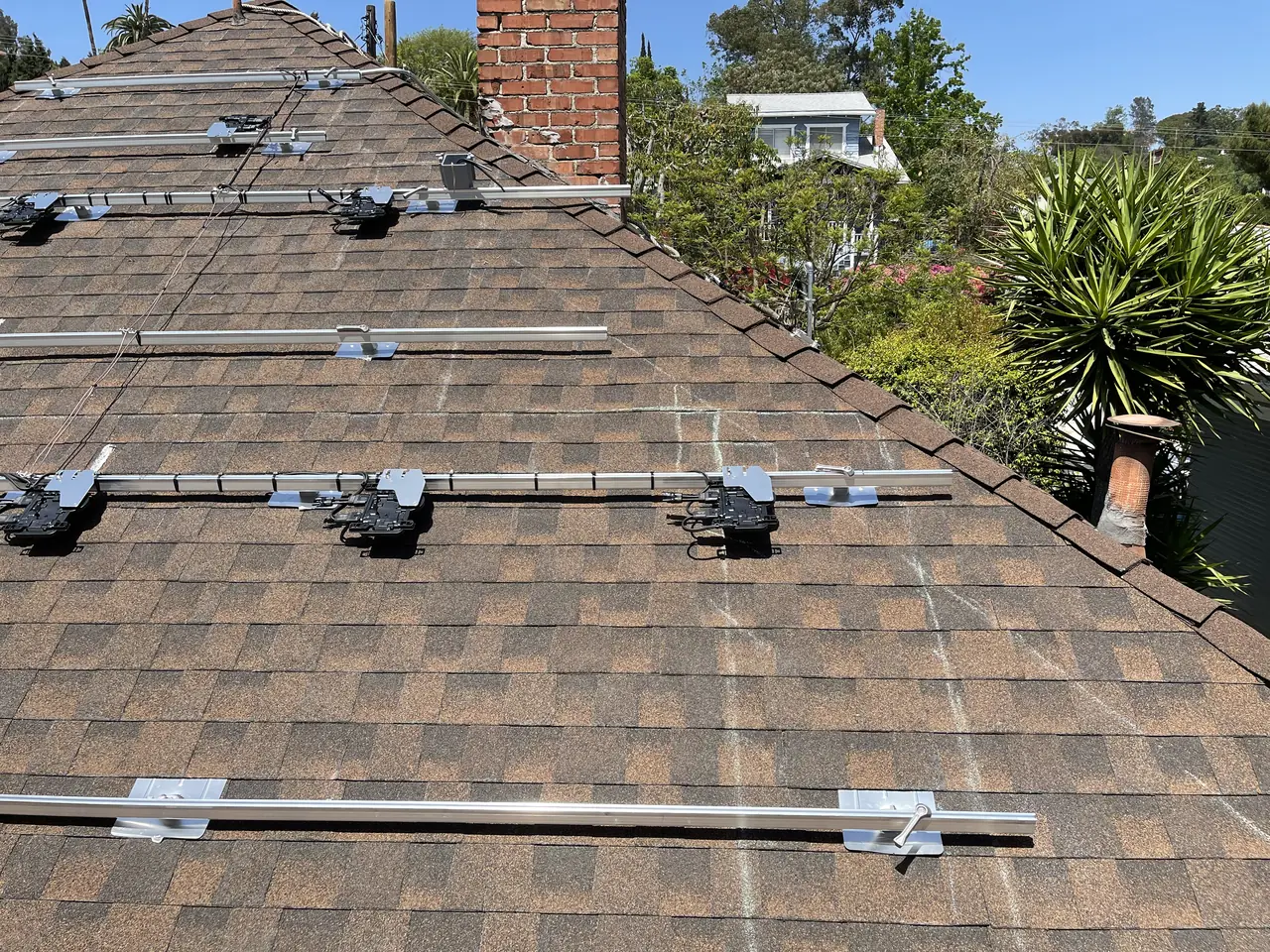
Eleven months later the owner reported a leak during the rain, under the low-slope part of the roof that the crew had crossed to reach the array.
There is a version of this conversation where a contractor starts by explaining why it cannot be the solar. Sometimes that is even true; a roof that has been dry for twenty years and wet since the panels went on is not proof of anything by itself. But a low-slope section takes foot traffic badly, a crew crossed it, and the leak was under the crossing. That is enough to send a roofer rather than an explanation.
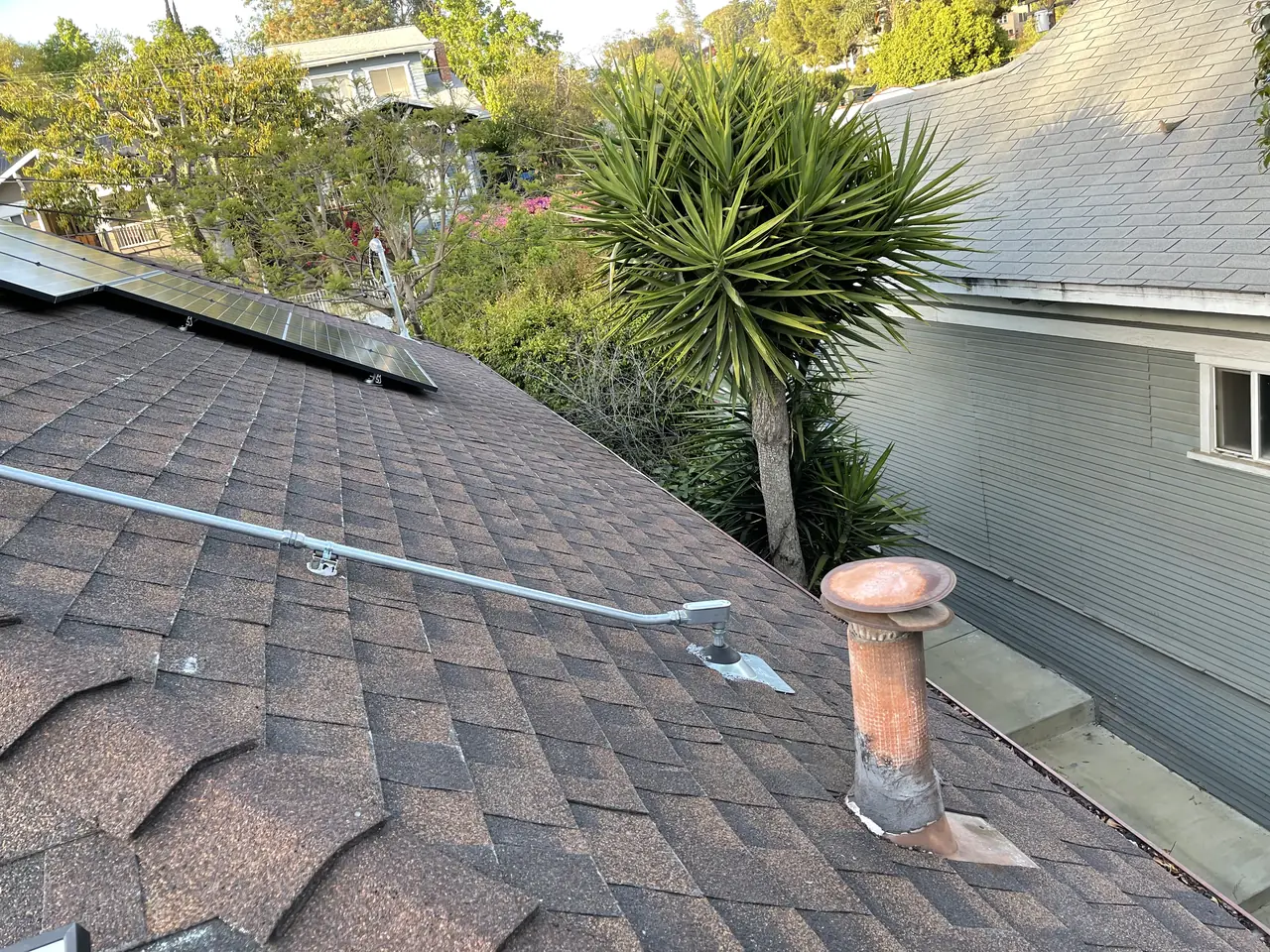
A roofer went out the following Saturday to look. Not to quote — to look.
What came back was the choice that matters on a low-slope roof. The cheap answer is to patch the penetrations and see whether it stops. The owner's worry, and it is a reasonable one, was what the deck under that section looked like after a winter of getting wet — whether it was sound, damp or already going.
The only way to answer that is to take the section off and look, and once it is off, you are rebuilding it rather than patching it. That is several times the cost of two patches and it is the only version that answers the question.
We took the second option and covered the work in full. The section came off, what was underneath was inspected, and it was rebuilt with the shingle matched to the existing roof.
The reasoning is not complicated. The alternative — a patch that holds through one dry season and fails in the next — leaves an owner with a wet deck under an array, and it arrives eighteen months later when it is far more expensive to fix.
Two things worth taking from it if this is happening to you. Photograph it while it is wet, because bubbling in a dry ceiling tells a roofer much less than the same ceiling during rain. And ask for the roof to be opened rather than patched if the leak has been running through a season — a patch closes the hole, but it tells nobody what the deck underneath has been doing.
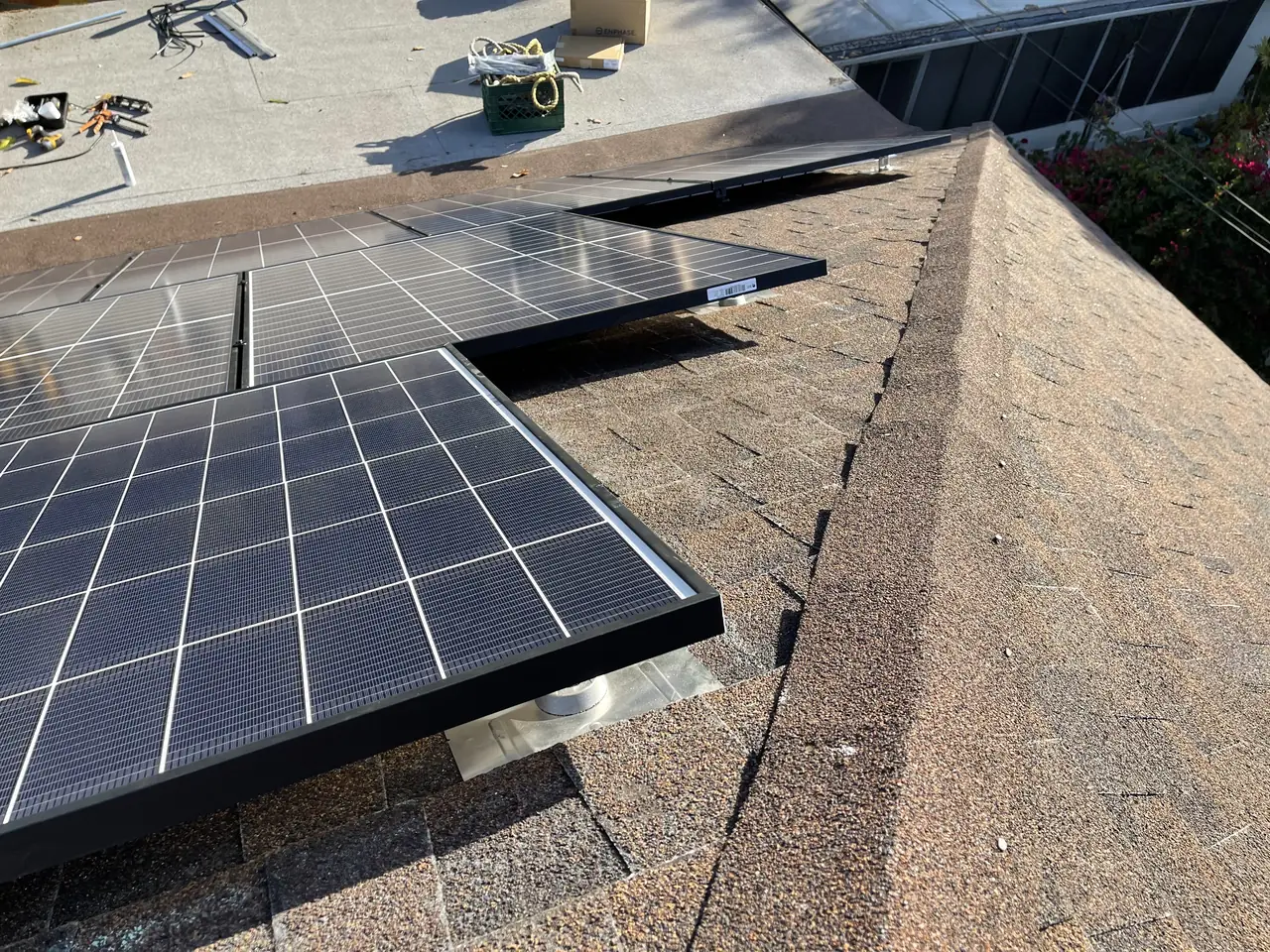
Cali Energy installed this 5.5 kW array in Echo Park, Los Angeles, rebuilt the roof section a year later at our own cost, and the house has run on the array since.
How it ran
| 23 April 2021 | Interconnection request acknowledged — 5.5 kW AC-CEC |
|---|---|
| 27 April 2021 | Meter spot accepted by virtual inspection |
| 28 April 2021 | Four progress notices recorded on one day |
| 8 May 2021 | Installation approved |
| 20 May 2021 | Permission to operate |
| 30 March 2022 | Owner reports a leak under the low-slope section |
| 2 April 2022 | Roofer attends to examine, not to quote |
| 8 April 2022 | Full tear-off and rebuild of the section agreed, at our cost |
| April 2022 | Section rebuilt with shingle matched to the existing roof |
Twenty-seven days to switch-on, and a warranty repair a year later done in full.
What we did
- Filed and closed the interconnection inside twenty-seven days.
- Used a virtual meter spot inspection rather than waiting on a site visit.
- Sent a roofer to examine within three days of the photograph.
- Opened the section rather than patching it, so the deck could be inspected.
- Covered the rebuild in full and matched the shingle to the existing roof.
System specifications
| System | 5.5 kW AC-CEC |
|---|---|
| Roof | Part pitched, part low-slope |
| Meter spot | Virtual inspection rather than a site visit |
| Reported | A leak under the low-slope section, a year on |
| Remedy | Tear-off and rebuild rather than patching |
| Cost to the owner | None |
| Utility / AHJ | LADWP / LADBS |
Is your project like this one?
- A leak has appeared under a roof somebody worked on.
- A contractor has offered to patch a leak you think is bigger than a patch.
- Your roof is part pitched and part flat and a crew crossed the flat part.
- You want to know what happens after the installer has been paid.
Cali Energy in Echo Park
Echo Park is City of Los Angeles — permitted through LADBS, interconnected through LADWP. The housing is old and built into slopes, and a great many of these roofs are part pitched and part flat, which matters more after the work than during it.
This installation is on the Los Angeles projects page alongside the others, and what the work covers is set out on the Los Angeles service area page.
- License and classifications: CSLB #1032379
- Official reference for this process: LADBS — inspections
- Official reference for this process: LADWP — interconnection process, types 1, 2 and 3
Frequently asked questions
A leak appeared after my solar was installed. Is it the solar?
Not necessarily, and the only way to find out is to have somebody on the roof. Location is the first clue: a low-slope section takes foot traffic badly, and a crew usually crosses it to reach the pitched roof, so a leak under that section is the installer's to examine first.
Should a leak like that be patched or opened up?
If it has been running through a season, opened up. A patch closes the hole and tells nobody what the deck underneath has been doing for the past few months. Taking the section off answers that question, and once it is off the work is a rebuild rather than a repair — which is more expensive and is the only version that settles it.
What is a virtual meter spot inspection?
The utility accepting the meter location from photographs and a video call rather than sending somebody out. It removes a site visit from the schedule and, on this Echo Park project, is the main reason the interconnection closed in twenty-seven days rather than the usual several weeks.
Does Cali Energy handle roof problems in Echo Park, Los Angeles?
Yes. On this Echo Park project, eleven months after installation, a roofer attended within three days of a leak report, the section was torn off and rebuilt rather than patched, and the owner paid nothing. Cali Energy holds a C-39 roofing license alongside the electrical and solar ones, which is why the roof answer comes from the same company rather than a referral.
What this would look like on your roof
Planning solar in Echo Park? Tell us your utility, your roof and what your bill looks like now, and we will model what a system like this would do on your house before you commit to anything.
Or call +1 (323) 844-7777 · Cali Energy, Northridge · CSLB #1032379 (B, C-10, C-39) — design, permits, install and electrical under one licensed contractor.
Related
This timeline reflects this property and this permitting path. Updated September 2026.