

Burbank, CA · June 2025 · Burbank Water and Power / City of Burbank
The name on the module told you nothing. The nameplate did.
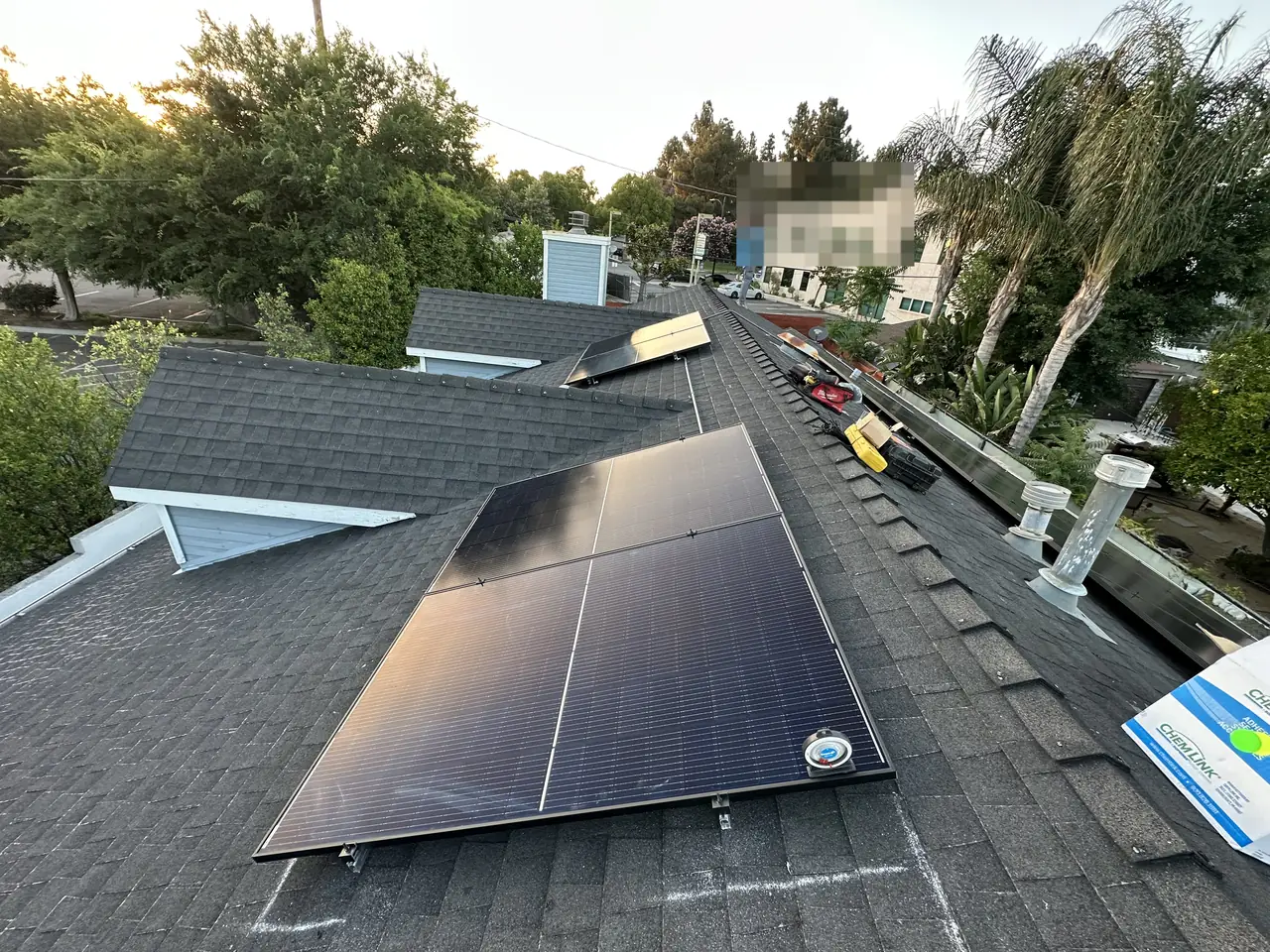
An 8.8 kilowatt array on a Burbank house, built from twenty-two modules by a manufacturer that does not advertise in California. Here is what to look at instead of the badge.
A solar module is a commodity built to standards, and the things that determine whether it is a reasonable choice are printed on its own nameplate and held in public registers: the safety and performance certifications it carries, its fire classifications, its listed electrical ratings, and whether it appears on the state equipment list that incentive and interconnection programs draw from. Brand recognition is a marketing outcome. What survives twenty-five years on a roof is the certification behind the product and the company standing behind the warranty. That is as true on a Burbank roof as anywhere else.
At a glance
- Modules
- 22 x ZNShine Solar ZXM7-SH108-400/M, 400 W each
- System size
- 8.8 kW DC
- Microinverters
- Enphase IQ8HC, one per module
- Array layout
- Two branch circuits of eleven modules, several roof faces
- Maximum system voltage
- 1500 V, as marked on the module
- Fire classification
- Module application Class A, fire resistance Class C
- Roof
- Composition shingle, hip
- Installation
- 18 June 2025
The story
Most people choosing solar recognize three or four module names and treat everything else as a warning sign. It is an understandable instinct and a poor test. The modules on this Burbank roof came from a manufacturer that does not advertise here, and there is nothing wrong with them; what there is instead of a familiar badge is a nameplate that answers every question worth asking.
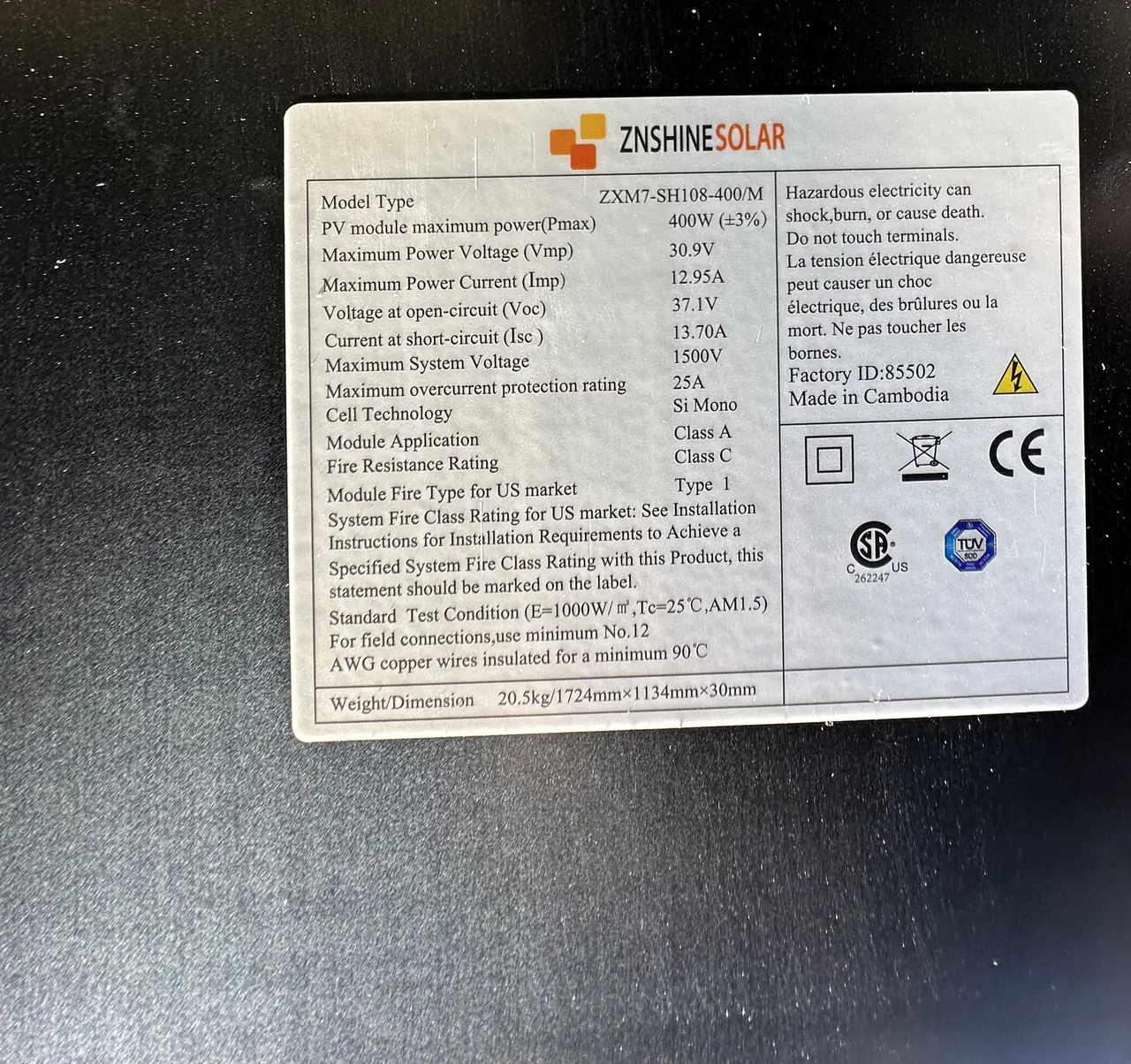
Read it in order. The module type and its rated power under standard test conditions, which is the four hundred watts the system size is built from, given with its tolerance. The open-circuit voltage and short-circuit current, which are what the array wiring and the equipment downstream are designed around. The maximum system voltage, fifteen hundred volts here, which sets what the module may legally be wired into. The fire classifications, which on this module are an application class and a separate resistance rating, and which together with the mounting decide what the finished roof is rated at. And the certification marks, which say that an independent laboratory has tested this product to a published standard rather than the manufacturer asserting it.
Beyond the nameplate there is a public check that costs nothing. California maintains lists of solar equipment eligible for state programs, compiled from test data submitted by manufacturers. A module on those lists has had its ratings verified by somebody other than its maker, and a module that is absent from them is a question to ask before signing, not after.
What the badge does buy is the warranty, and that is the part where the name genuinely matters. A module warranty is a promise about performance twenty-five years from now, and it is worth exactly as much as the entity making it will be worth then. That is not a question about manufacturing quality, which is increasingly uniform across the industry, but about corporate longevity, which is not. It is a fair reason to pay more for a name. It is not a reason to treat an unfamiliar module as unsafe.
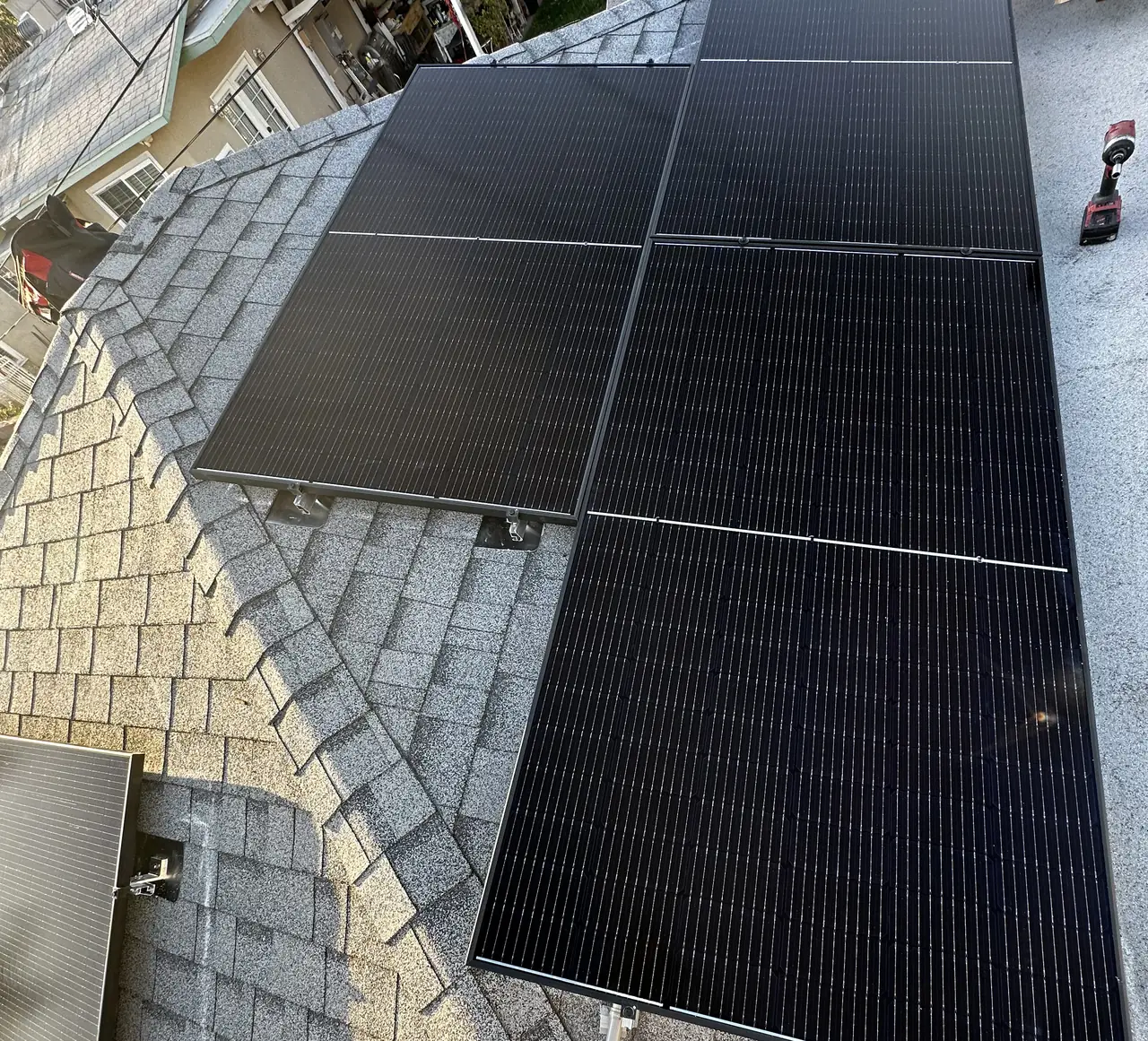
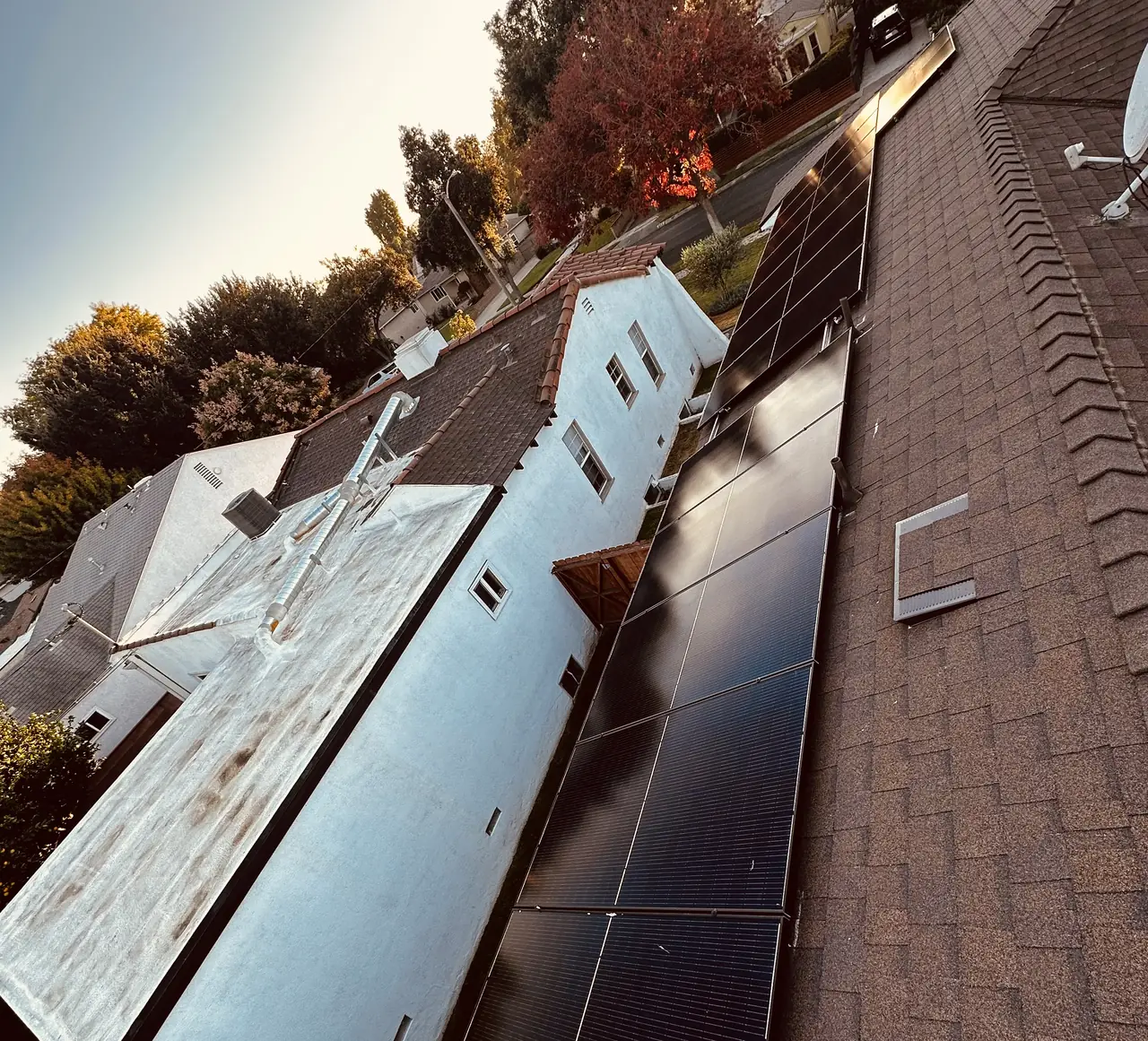
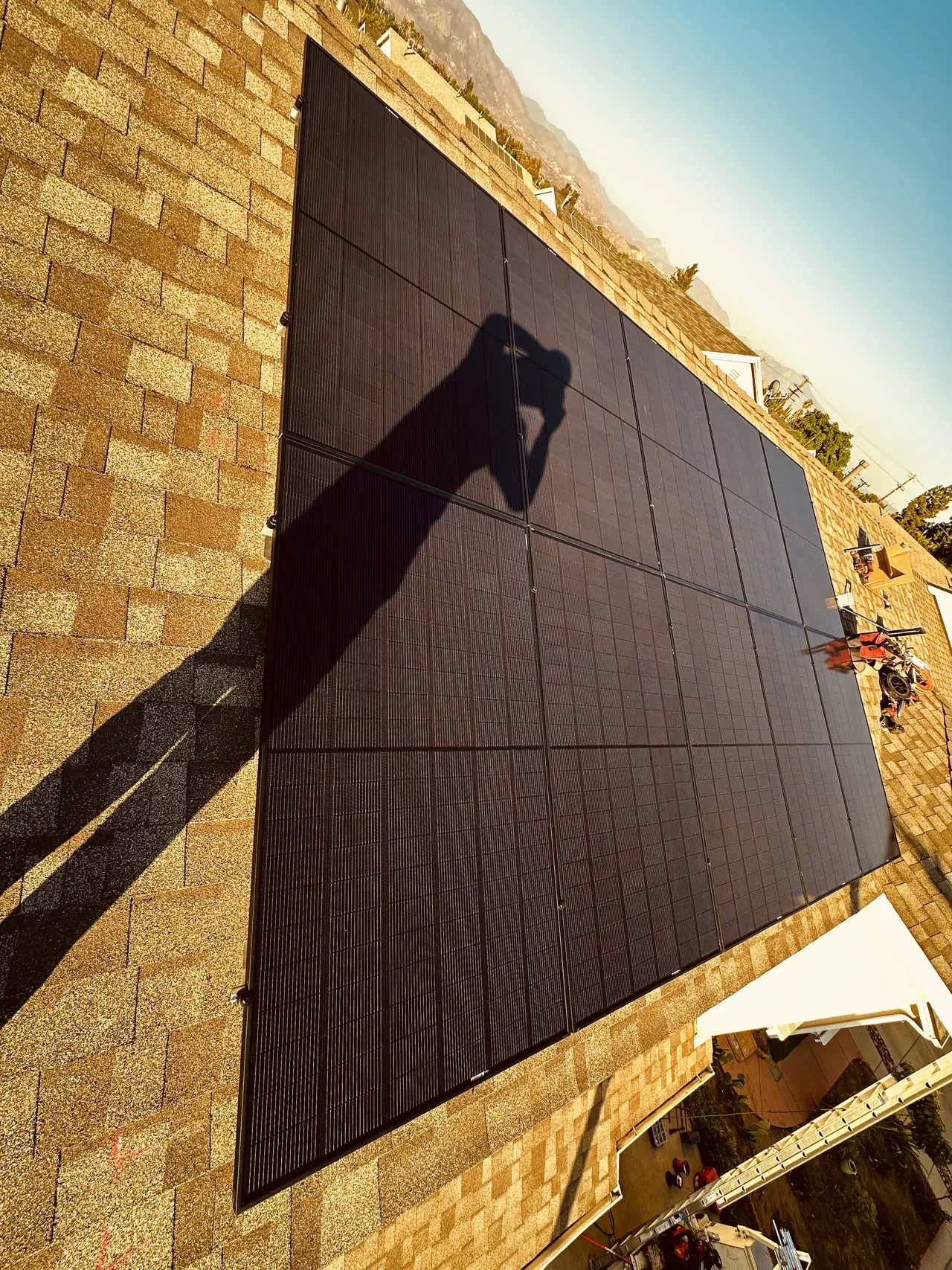
Cali Energy installed twenty-two of these at four hundred watts, eight point eight kilowatts, arranged as two branch circuits of eleven and spread across more than one face of a hip roof because no single face would take them all. Each module carries its own microinverter, which is what makes splitting an array across orientations free rather than costly.
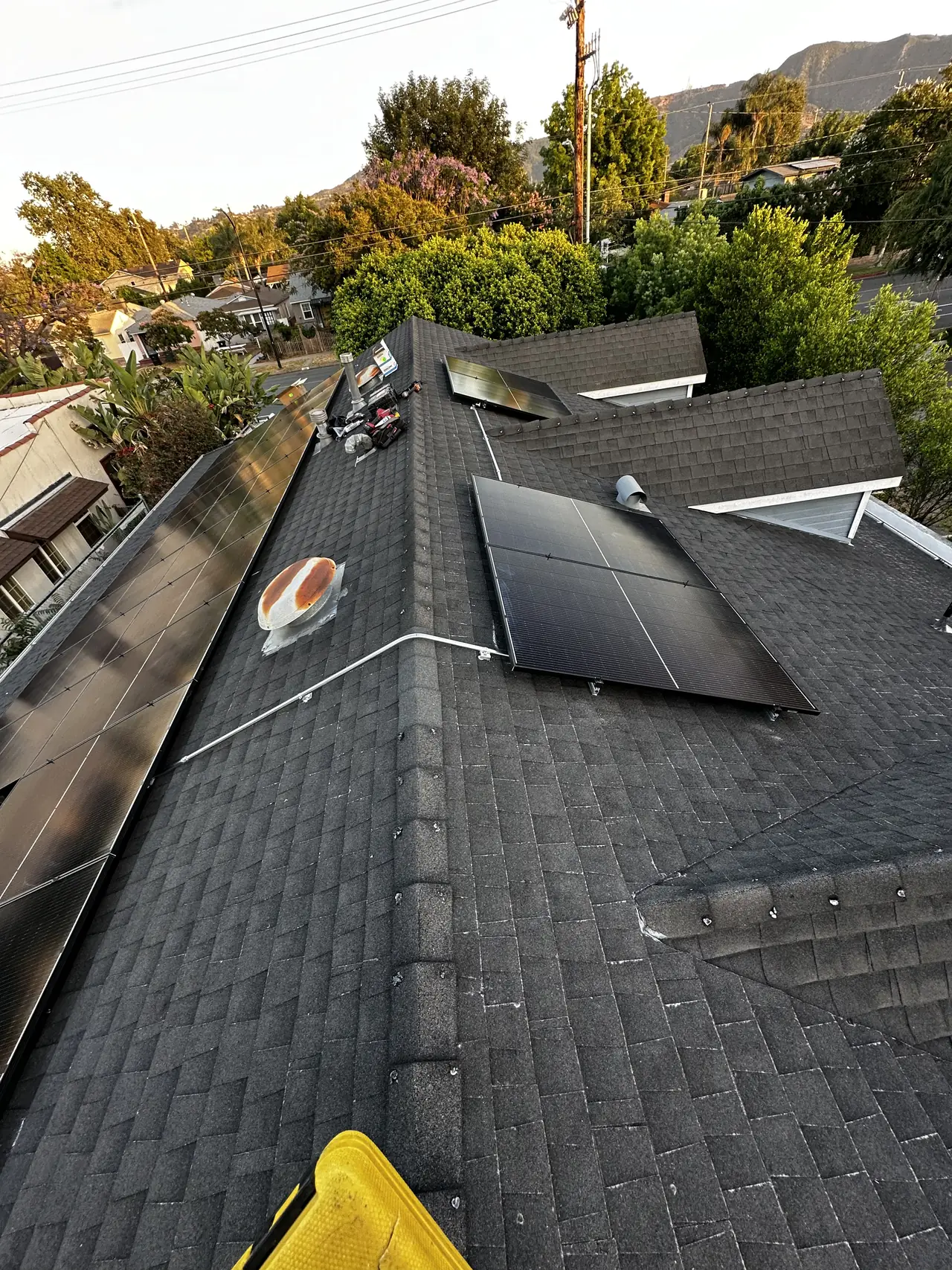
The installation ran in a day in June 2025. In ten years nobody on that roof will remember which modules were fashionable in 2025, and the nameplate will still be readable on the back of every one of them.
How it ran
| Before the day | Roof surveyed; usable faces identified and clearances set |
|---|---|
| Before the day | Array planned as two branch circuits of eleven across several faces |
| 18 June 2025, morning | Attachments set and flashed; rails leveled |
| 18 June 2025, midday | Microinverters mounted and cabled |
| 18 June 2025, afternoon | Twenty-two modules laid, clamped and connected |
| 18 June 2025, close of day | Combiner panel and alternating current disconnect completed |
One installation day on a roof with several usable faces. This timeline reflects this property.
What we did
- Specified and installed twenty-two modules to their listed electrical ratings rather than to a brand preference (C-10).
- Planned the array as two branch circuits of eleven across the roof faces that would carry them with full clearances.
- Set and flashed every attachment and leveled the rail runs on each face.
- Mounted and cabled a microinverter under each module position.
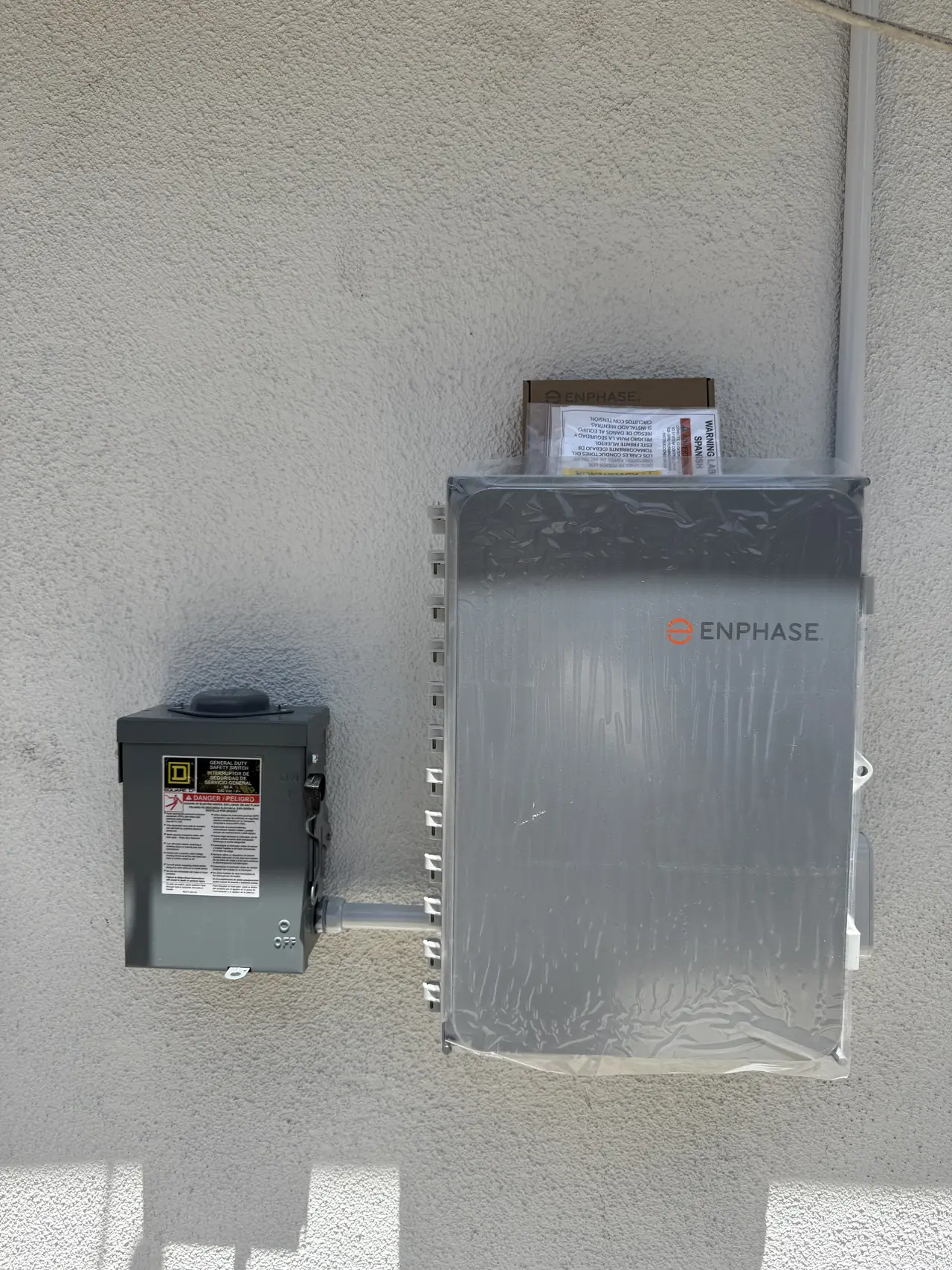
- Brought every group down to a single combiner and disconnect on the service wall.
- Completed the installation in one working day.
System specifications
| Modules | 22 x ZNShine Solar ZXM7-SH108-400/M, 400 W each |
|---|---|
| System size | 8.8 kW DC |
| Microinverters | Enphase IQ8HC |
| Array layout | Two branch circuits of eleven, several roof faces |
| Maximum system voltage | 1500 V |
| Roof | Composition shingle, hip |
| Balance of system | Combiner panel and alternating current disconnect |
| Utility / AHJ | Burbank Water and Power / City of Burbank |
Is your project like this one?
- Your quote lists a module brand you have never heard of.
- You are comparing two quotes and the only visible difference is the badge.
- You want to know what a module warranty is actually worth.
- Your roof has no single face big enough for the array you want.
Cali Energy in Burbank
Burbank is its own city with its own municipal utility: permits run through the City of Burbank Building & Safety Division, interconnection through Burbank Water and Power.
Burbank homeowners comparing quotes see the same short list of familiar module names and then one that means nothing to them. The name is rarely the part worth arguing about, and the paperwork behind it usually is.
This installation is on the Burbank projects page alongside the others, and what the work covers is set out on the Burbank service area page.
- License and classifications: CSLB #1032379
- Official reference for this process: California Energy Commission — solar equipment lists
- Official reference for this process: CSLB — check a contractor's license
Frequently asked questions
Is an unfamiliar solar module brand a red flag?
Not on its own. Modules are built to published safety and performance standards and tested by independent laboratories, and the certifications on the nameplate are the evidence of that. What an unfamiliar name does mean is that the warranty is harder to weigh, because a twenty-five year promise is worth what the company making it will be worth in twenty-five years.
Does Cali Energy install modules from manufacturers other than the big names?
Yes, where the product is properly certified and the electrical ratings suit the design. Cali Energy specifies from the nameplate and the state equipment lists rather than from brand familiarity, and on this Burbank roof that meant twenty-two modules from a manufacturer few homeowners here would recognize. Eleven completed Burbank projects are on our projects page. Our license is CSLB #1032379.
What should I check on a solar module before agreeing to it?
The rated power and its tolerance, the open-circuit voltage and short-circuit current, the maximum system voltage, the fire classifications, and the certification marks showing independent testing. Then check that the model appears on the California equipment lists that incentive and interconnection programs draw from. All of it is public and none of it depends on the brand being famous.
Does a cheaper module mean a worse system?
Usually it means a different allocation of the budget. Manufacturing quality across certified modules is far more uniform than the price spread implies, and the parts of an installation that most affect how long it lasts are the attachments, the flashing, the conduit and the workmanship. A well-installed array of ordinary modules outlives a badly installed array of famous ones.
What this would look like on your roof
Planning solar in Burbank? Tell us your utility, your roof and what your bill looks like now, and we will model what a system like this would do on your house before you commit to anything.
Or call +1 (323) 844-7777 · Cali Energy, Northridge · CSLB #1032379 (B, C-10, C-39) — design, permits, install and electrical under one licensed contractor.
Related
This timeline reflects this property and this permitting path. Updated September 2026.