

Sherman Oaks, CA · October – December 2023 · LADWP / LADBS
Same day. Same owner. One stopped.
Two newly built houses in Sherman Oaks, the same owner, two interconnection applications filed on the same day for systems within a couple of hundred watts of each other. One went through. The other sat at the first step for two months.
On this project the final inspection had been passed and the field order for the meter had not yet been sent, so the utility's status page kept showing the first stage. One direct request to the assigned representative produced the field order the next day.
At a glance
- Projects
- Two, one owner
- Filed
- Same day
- House A
- 3.48 kW AC-CEC
- House B
- 3.30 kW AC-CEC
- Inverters
- Enphase IQ8M
- House B → meter
- 70 days
- House A → meter
- 73 days
- Utility / AHJ
- LADWP / LADBS
The story
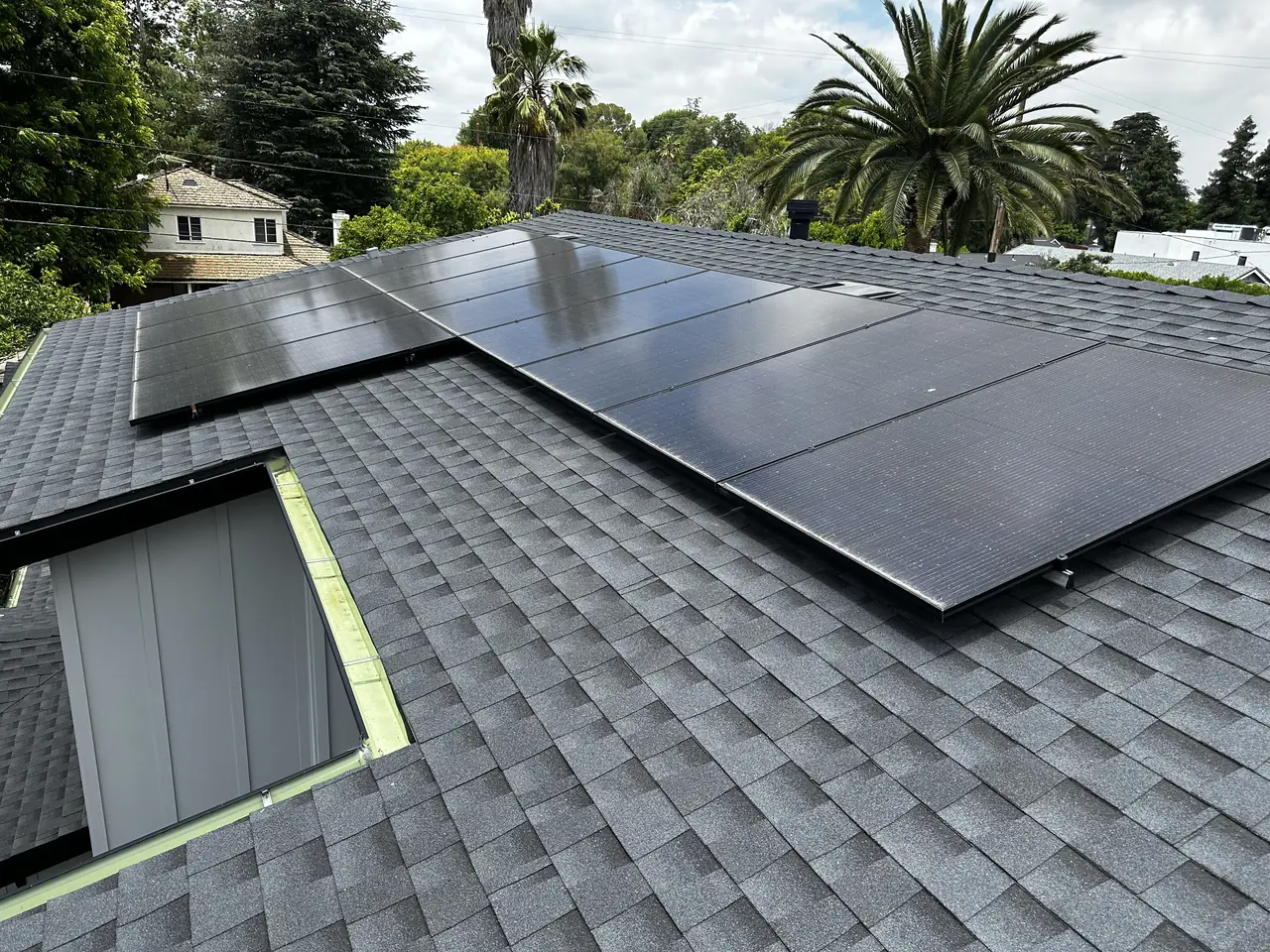
Two houses, both newly built on cleared lots, both belonging to the same owner. Two interconnection applications went in on the same day in October 2023, for systems of 3.48 and 3.30 kilowatts AC-CEC. Same city, same utility, same building department, same installer, same week.
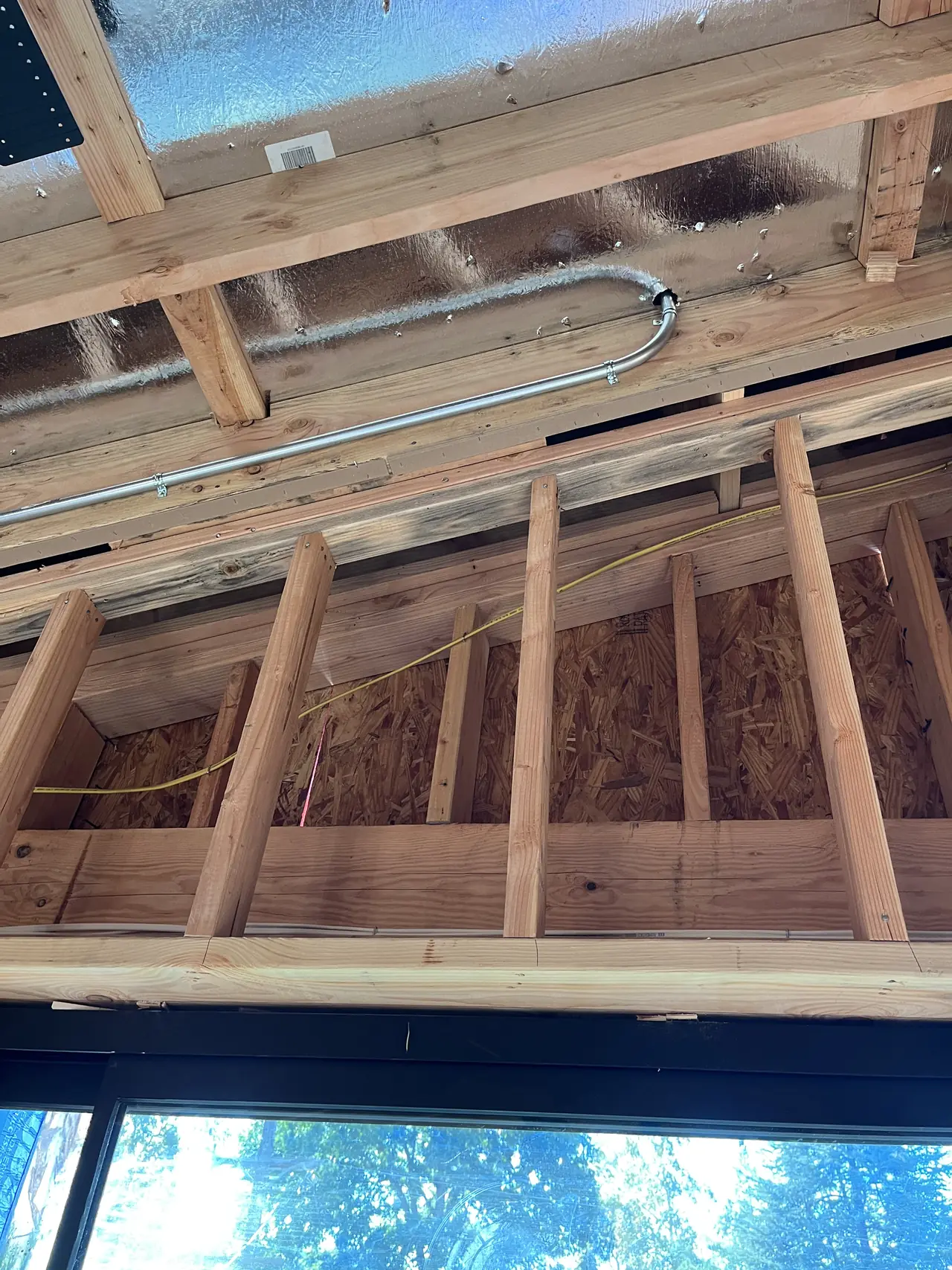
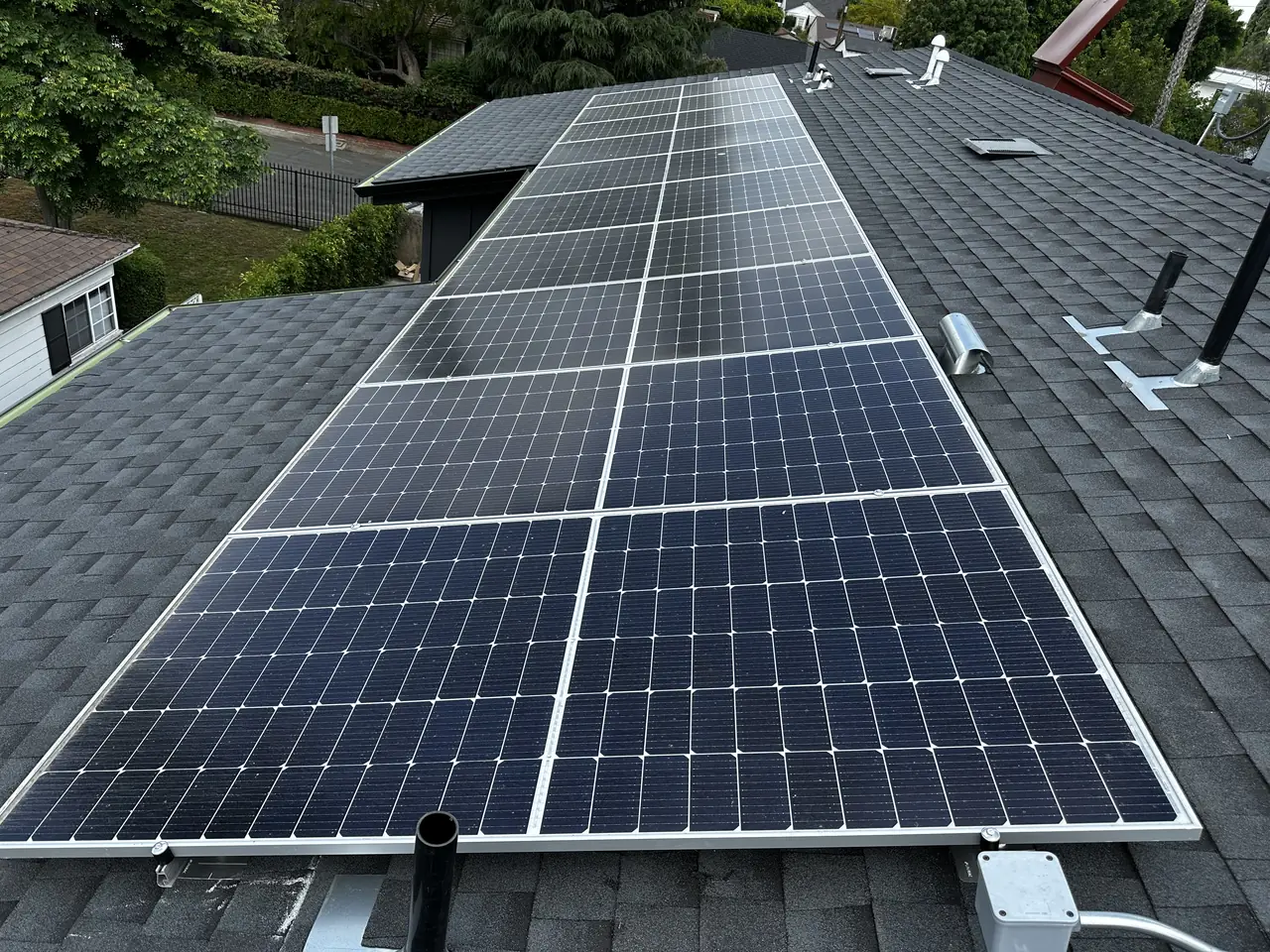
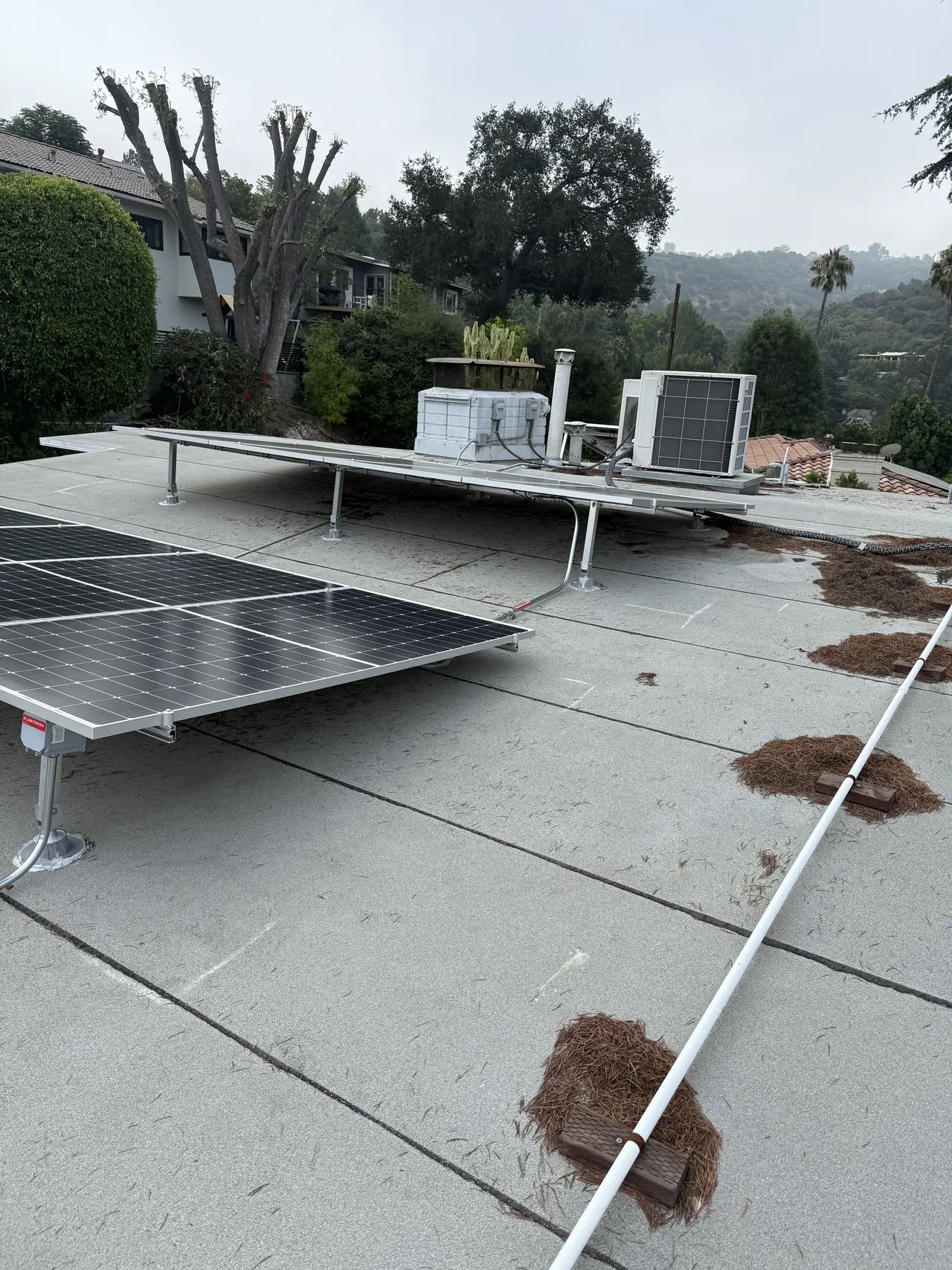
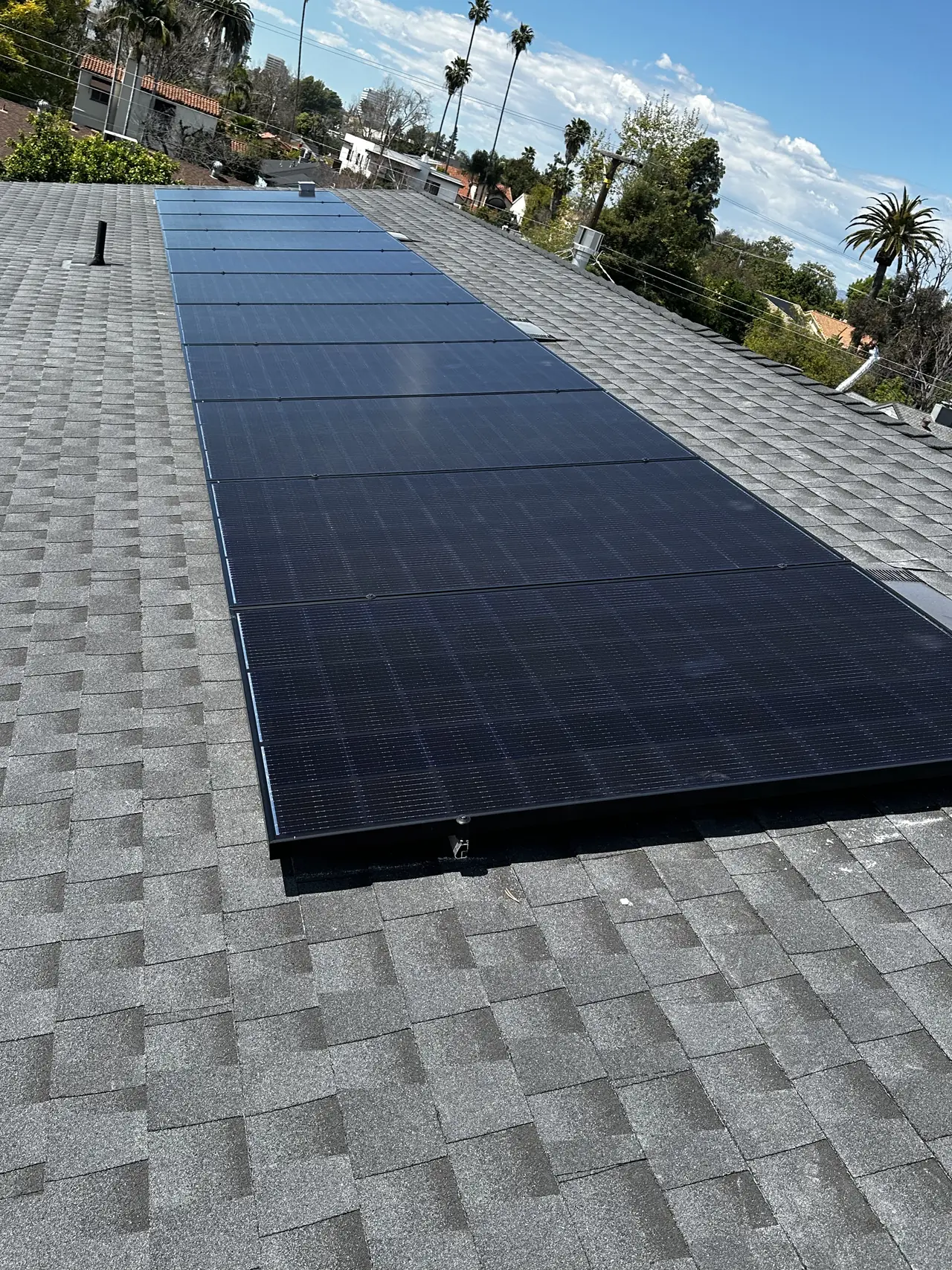
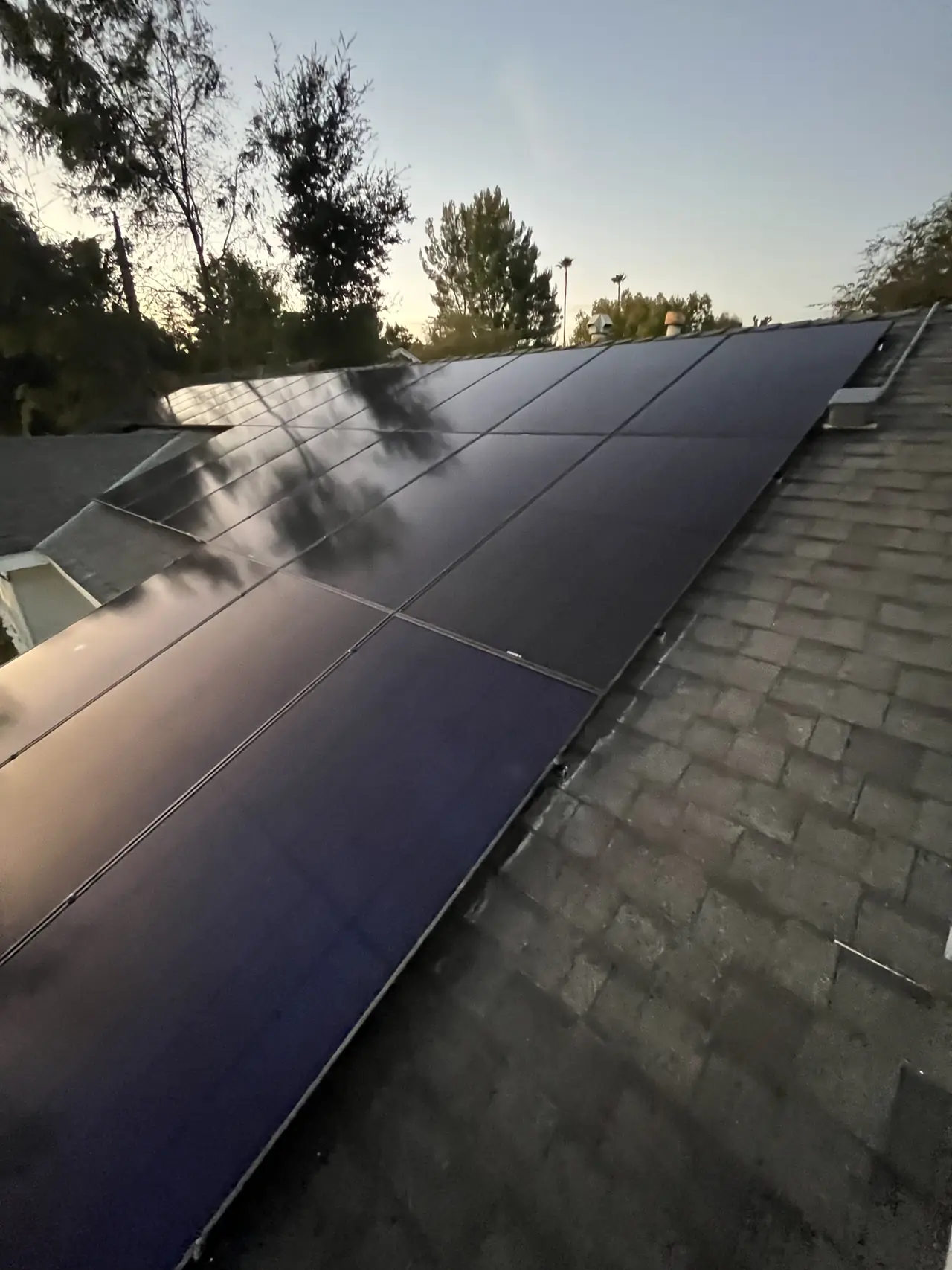
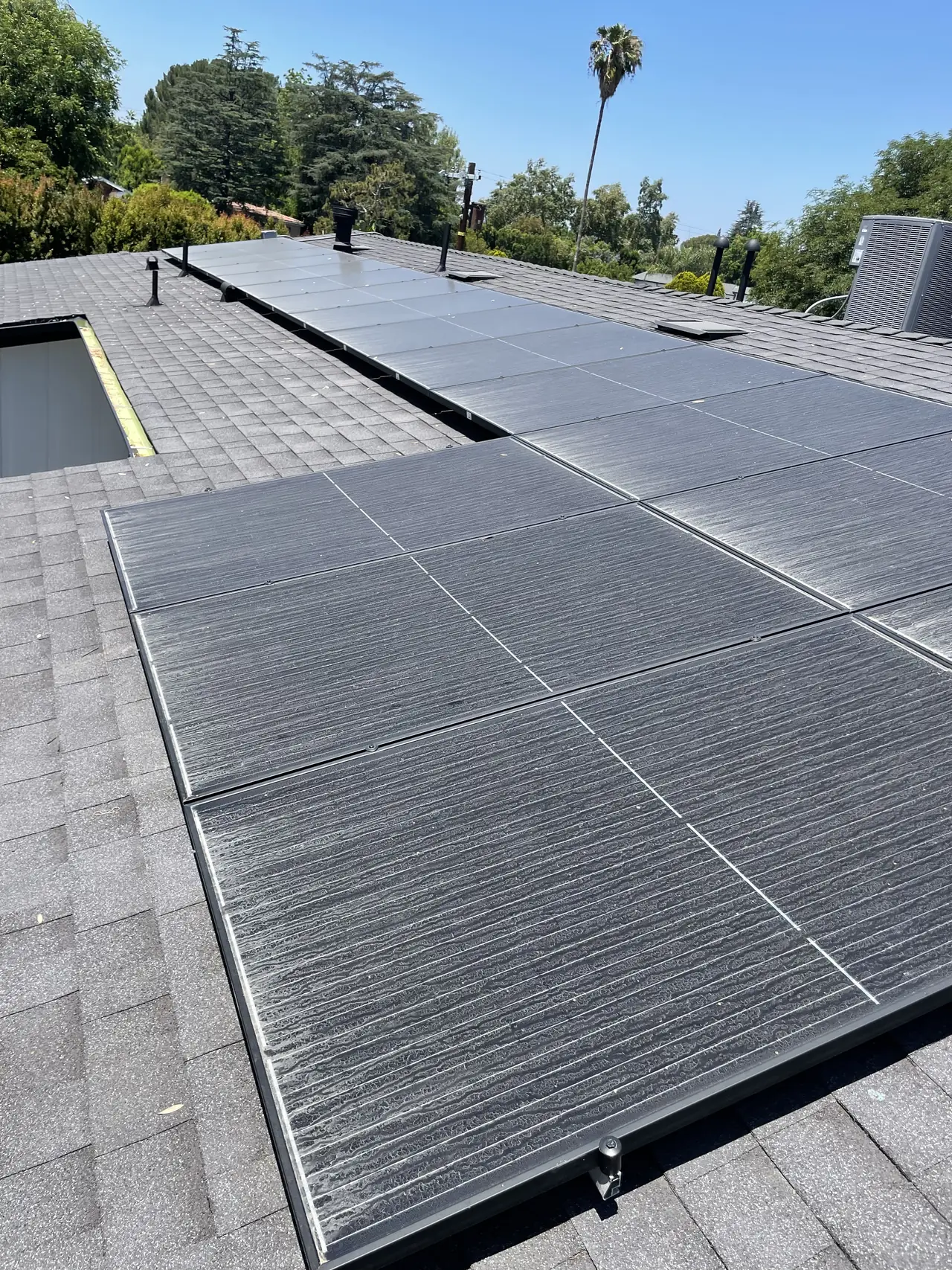
Both were new construction, so the conduit went in through open framing rather than down a finished wall, and both went onto composition shingle with Enphase microinverters.
One of them behaved exactly as expected. Building department release at the start of December, interconnection review complete the same day, meter set the following week.
The other one did not. Its final inspection had been passed, but the utility's progress tracking still showed the first stage and had shown it for weeks. Nothing was wrong with the installation, and no correction request was recorded against it. The field order for the meter had not yet been sent.
In early December we wrote to the utility's lead representative and said so plainly: the building department final was passed a while ago, the process is showing the first update, what needs to happen. The answer came back the next day — the field order has been sent — and the interconnection review completed the same day. The meter went in the following week.
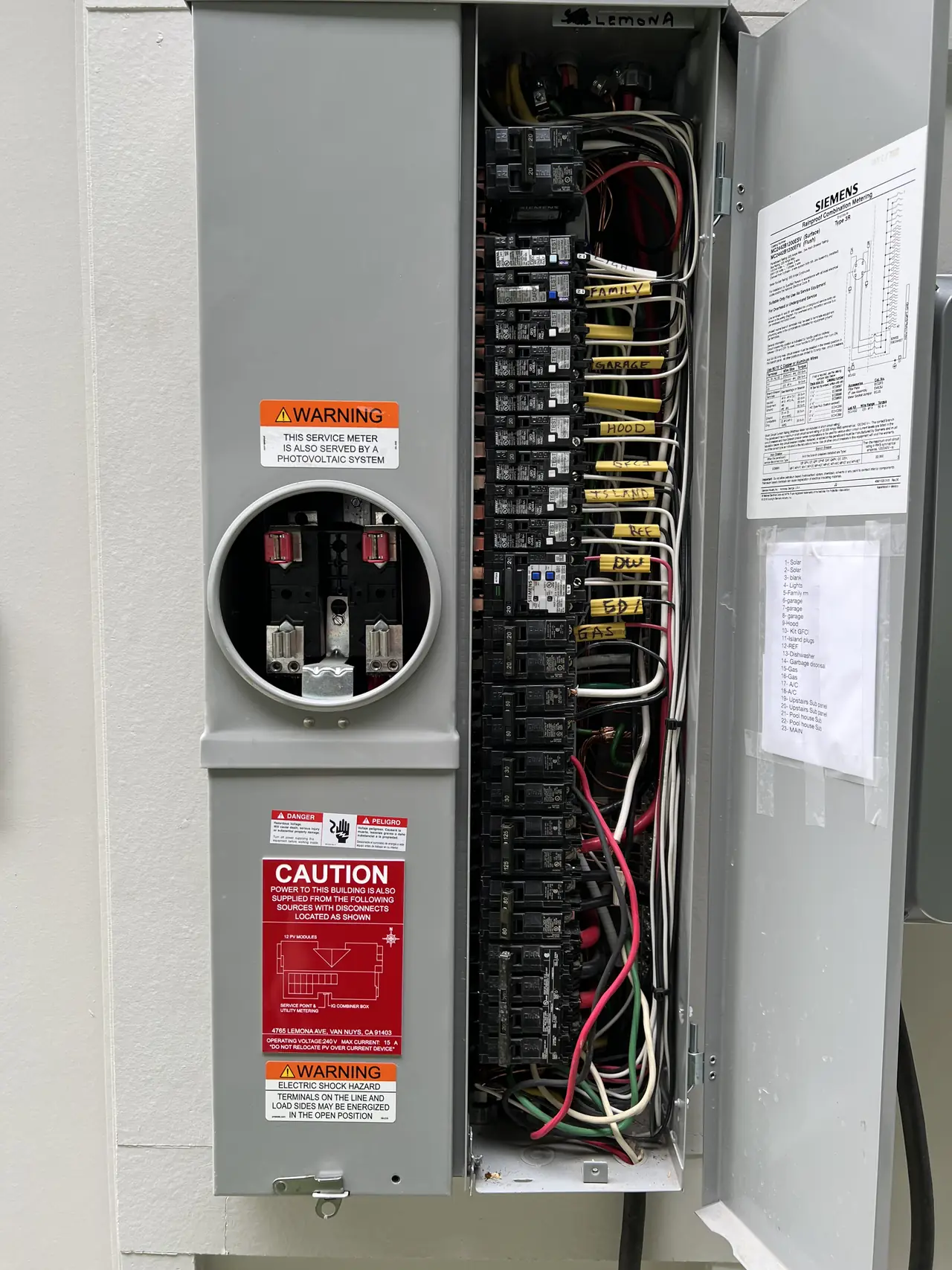
Seventy and seventy-three days. The gap between the two is small; what sits inside it is not. One project was moved along by somebody noticing that it had stopped, and the only reason anyone noticed is that a parallel project a few streets away was moving.
If you have one project, you have nothing to compare it against. That is the case for someone tracking the application rather than waiting for a notification that may not arrive.
How it ran
| 2 October 2023 | Both interconnection applications filed |
|---|---|
| 4 October 2023 | Both applications reviewed and site assessments closed |
| 5 December 2023 | House B: building department release and interconnection review complete |
| 7 December 2023 | House A: we ask the utility why the process is still at stage one |
| 8 December 2023 | House A: field order sent; review completed the same day |
| 11 December 2023 | House B: net meter set |
| 14 December 2023 | House A: net meter set |
Both counts run from the interconnection application to the net meter and cover permitting, installation, inspection and utility processing rather than time spent on the roof.
What we did
- Filed both interconnection applications on the same day.
- Ran conduit through open framing on both houses during construction.
- Installed both arrays on composition shingle with microinverters.
- Noticed that one project had stopped at the first stage and raised it with the utility's lead representative.
- Carried both projects through to the net meter within three days of each other.
System specifications
| House A — system | 3.48 kW AC-CEC |
|---|---|
| House B — system | 3.30 kW AC-CEC |
| Inverters | Enphase IQ8M microinverters |
| Roofs | Composition shingle on both |
| Buildings | Two new two-story houses on cleared lots |
| Conduit | Run inside the framing before drywall |
| Battery | None on either |
| Utility / AHJ | LADWP / LADBS |
| House B — application → net meter | 70 calendar days |
| House A — application → net meter | 73 calendar days |
Is your project like this one?
- Your final inspection has passed and the utility status has not changed.
- You have two properties and only one of them is moving.
- Nobody has told you what the next step in the process is supposed to be.
- You are building more than one house at a time.
- Your Sherman Oaks property is served by LADWP, while permits are handled by LADBS.
Cali Energy in Sherman Oaks
Sherman Oaks is inside City of Los Angeles boundaries: permits run through LADBS, interconnection through LADWP.
On this pair, one owner had two projects running side by side — which is the only reason it was obvious when one of them stopped.
This installation is on the Sherman Oaks projects page alongside the others, and what the work covers is set out on the Sherman Oaks service area page.
- License and classifications: CSLB #1032379
- Official reference for this process: LADWP interconnection process
Frequently asked questions
What do you do when a solar project stops after the final inspection?
You find out which step has not happened and ask the body responsible for it. On this project the building department final had been passed and the utility's tracking still showed the first stage; a direct request to the utility's lead representative produced the field order the next day. The status page will not explain itself.
How long should a small residential solar project take on LADWP?
These two took 70 and 73 calendar days from application to net meter. That is what these two projects did in late 2023, filed on the same day and run in parallel. A project of a different size, on a different service, or in a different year will run on its own calendar.
Why would two similar applications behave differently?
Because the process has steps that are triggered rather than automatic, and a step that is not triggered does not announce itself. Here the two projects were filed the same day, reviewed the same day, and then diverged for two months on one step inside the utility. The two systems differ slightly in size — 3.48 and 3.30 kilowatts AC-CEC — but nothing about that explains the gap.
Does Cali Energy track applications after installation in Sherman Oaks?
Yes — following an application that has stopped moving, and finding out which step is missing, is part of the job rather than something the owner is left to chase. Sherman Oaks is inside City of Los Angeles boundaries, so permits run through LADBS and interconnection through LADWP.
What this would look like on your roof
Planning solar in Sherman Oaks? Tell us your utility, your roof and what your bill looks like now, and we will model what a system like this would do on your house before you commit to anything.
Or call +1 (323) 844-7777 · Cali Energy, Northridge · CSLB #1032379 (B, C-10, C-39) — design, permits, install and electrical under one licensed contractor.
Related
This timeline reflects this property and this permitting path. Updated September 2026.