

Mid-City, CA · August – December 2022 · LADWP / LADBS
In Mid-City, the approval carried the utility's own rating.
An interconnection request goes in with a rating on it, and the utility checks it against the equipment on the plan set. Here the approval carried the utility's own figure, the agreement was signed at it, and permission to operate came on 8 December 2022.
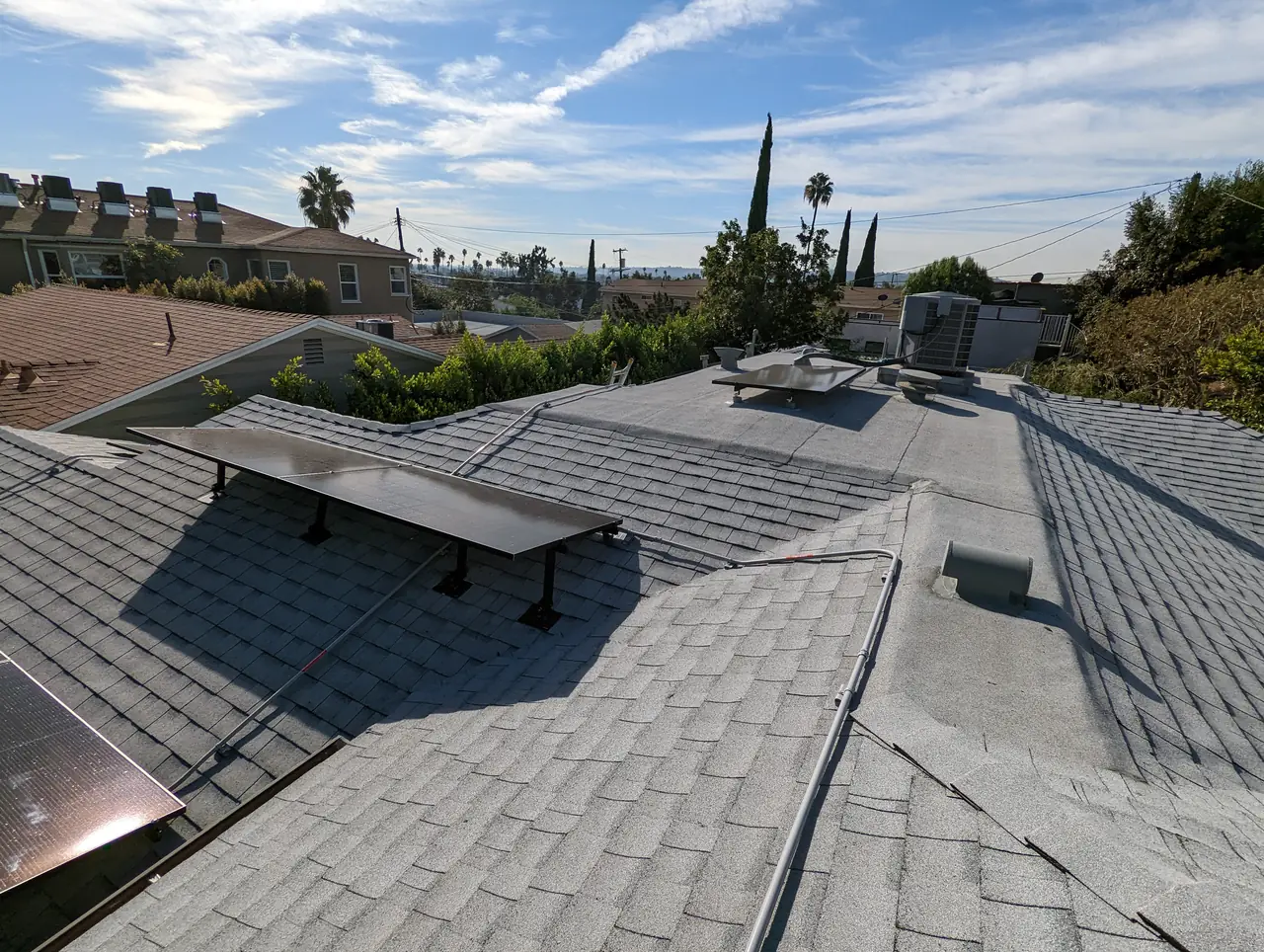
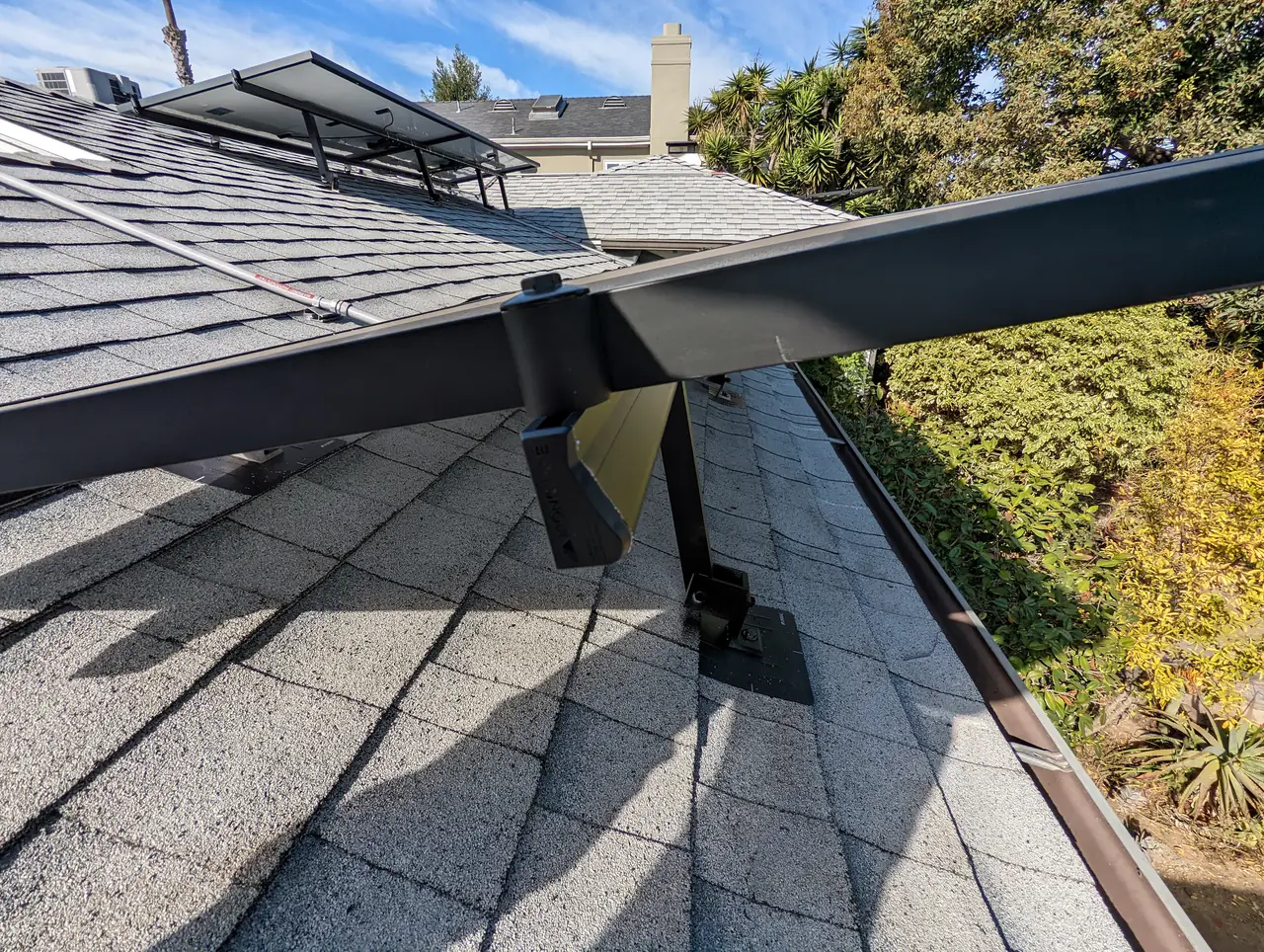
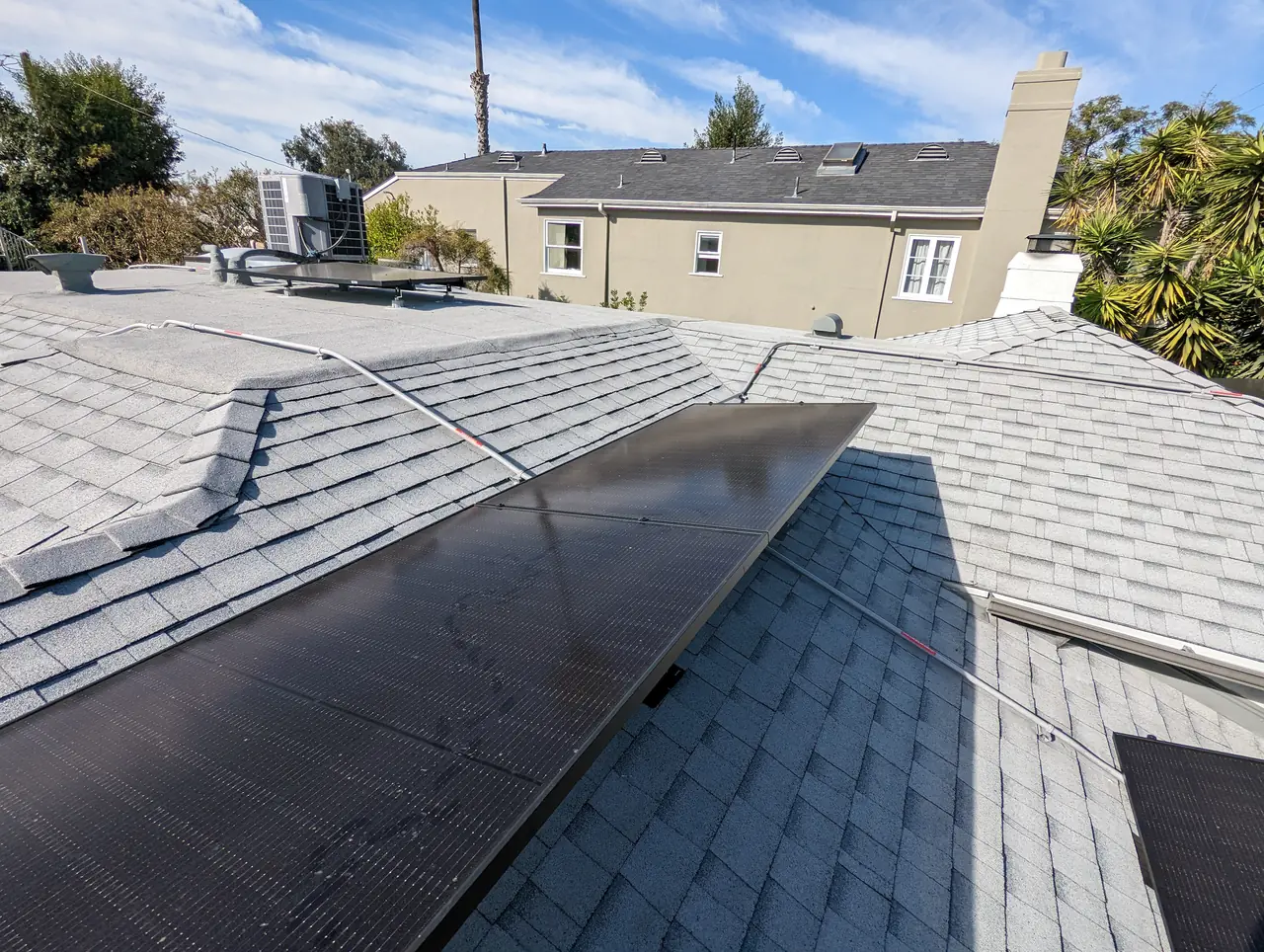
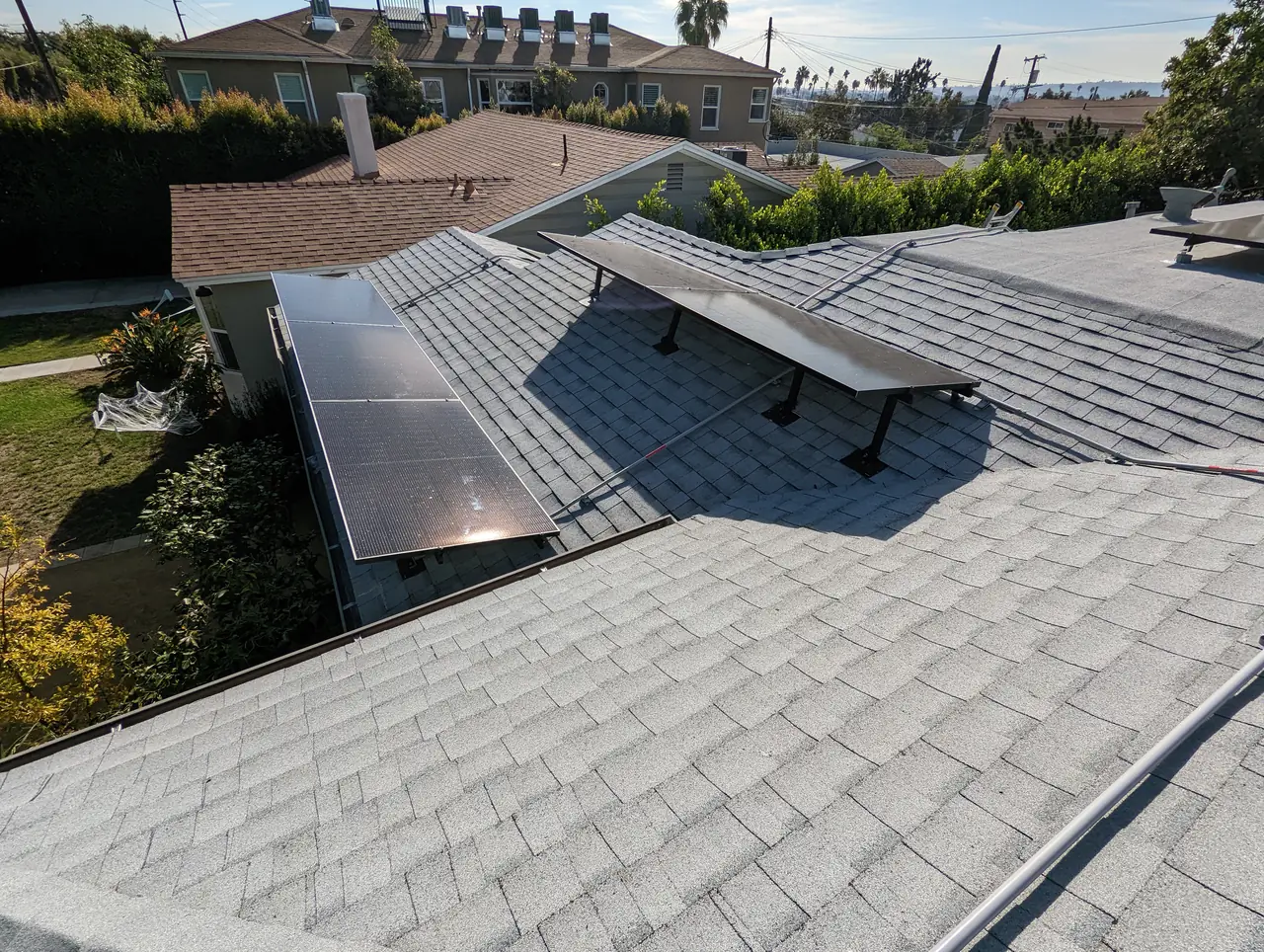
An interconnection request carries a system rating, and the utility checks it against the equipment on the plan set rather than taking it on trust. On this Mid-City project the utility's design group marked the AC-CEC figure it calculated, and the interconnection agreement was filled in and signed with that number on it. Cali Energy carried both work requests on this Mid-City house in Los Angeles through to permission to operate on 8 December 2022, at the utility's figure of 5.41 kW AC-CEC.
At a glance
- Approved as
- 5.41 kW AC-CEC
- Storage in the application
- 3.84 kW AC-CEC
- Storage in the approval
- None
- Engineering review
- Supplemental, for the storage
- Work requests
- Two — solar and the service panel
- Utility / AHJ
- LADWP / LADBS
The story
The project started in the middle of August as a house that wanted solar and a battery, plus a service panel that was going to have to be replaced to take either. None of that is unusual; the part worth describing is the paperwork, which is the part nobody sees.
An interconnection request is filed with a number on it: the AC rating of the system, calculated to the California Energy Commission method. That number is not decoration. It decides which review track the application goes down, whether the service can carry the export, and what the agreement the owner signs actually commits to.
At the end of September the utility acknowledged the request and, in the same morning, asked for a supplemental engineering review. That is the standard response when a battery is in the application: energy storage goes to its own review group, with its own engineer and its own queue.
A week later the review asked for a revised single-line diagram. The notice said the drawing did not comply with the utility's electric service requirements and nothing else — no line, no clause, no indication of which part.
This is the first thing worth understanding about engineering review. It is not a correction notice from a building department, which lists what to fix. It is a compliance check: its notice says that a drawing does not comply without saying where, so the route forward is to call the engineer whose name is at the bottom of the notice and ask.
While that ran, a second work request was open on the same address. A service panel replacement and a solar interconnection are separate requests at this utility, handled by different groups, and the second one had its own engineer.
That engineer's design group sent the sheet back with the areas to verify highlighted and one instruction: use the marked power output rate for AC-CEC — the rating the utility calculates itself, from the equipment on the plan set.
The interconnection agreement is filled in and signed from scratch at that figure, never edited in software: it is the document the owner signs, and a signature has to sit under the number it applies to.
So the agreement carries the utility's figure. The site evaluation was completed at the start of November, the agreement notice went out a day later, the payment cleared at the end of the month, and the installation was approved on the thirtieth at 5.41 kW AC-CEC. Permission to operate followed on the eighth of December.
The approval covers the solar alone; the storage listed in the October application, at 3.84 kW AC-CEC, is not part of it.
One question is worth asking before an interconnection request is filed on your house: what AC rating is going on the application, and how it was worked out — from the modules, from the inverters, or from the CEC listing for the exact equipment on the plan set, which is the method the utility checks against.
Cali Energy carried both work requests on this Mid-City house through the engineering review to permission to operate on 8 December 2022, and the house has run on the array since.
How it ran
| 15 August 2022 | First contact; solar, storage and a service panel replacement |
|---|---|
| 19 September 2022 | Panel upgrade opened as its own scope |
| 29 September 2022 | Interconnection request acknowledged; supplemental engineering review requested for the storage |
| 4 October 2022 | Revised single-line diagram requested |
| 4 October 2022 | Design group marks the AC-CEC rating for the agreement |
| 18 October 2022 | Storage appears in the application with its own rating |
| 7 November 2022 | Site evaluation complete |
| 8 November 2022 | Interconnection agreement notice issued |
| 28 November 2022 | Utility payment cleared |
| 30 November 2022 | Installation approved at 5.41 kW AC-CEC |
| 8 December 2022 | Permission to operate |
A hundred and fifteen days from first contact to permission to operate, and the longest single stretch was the engineering review.
What we did
- Filed the interconnection request and the service panel work request in parallel.
- Had the interconnection agreement signed from a blank form at the AC-CEC figure the utility's design group marked.
- Revised the single-line diagram for the engineering review.
- Carried both work requests through to permission to operate.
System specifications
| Approved rating | 5.41 kW AC-CEC, as calculated by the utility |
|---|---|
| Storage | 3.84 kW AC-CEC in the application from October; not in the approval |
| Reviews | Standard interconnection plus supplemental engineering for storage |
| Work requests | Two — solar interconnection and service panel |
| Agreement | Signed at the utility's figure |
| Utility / AHJ | LADWP / LADBS |
Is your project like this one?
- Your interconnection request has come back with a different system size on it.
- You have been told your single-line diagram does not comply and not told why.
- There are two work requests open on your address and you are not sure why.
- A battery was in your quote and is no longer in your application.
- You are being asked to sign an interconnection agreement for a second time.
Cali Energy in Mid-City
Mid-City is a City of Los Angeles neighborhood between Pico and Venice, permitted through LADBS and interconnected through LADWP. The housing here is mostly pre-war, and a solar application on a house of that age routinely turns into a conversation about the electrical service rather than about the roof.
This installation is on the Los Angeles projects page alongside the others, and what the work covers is set out on the Los Angeles service area page.
- License and classifications: CSLB #1032379
- Official reference for this process: LADWP — interconnection process, types 1, 2 and 3
- Official reference for this process: California Energy Commission — equipment lists and AC ratings
Frequently asked questions
Why would the utility change the size on my application?
Because it calculates the AC rating itself, from the equipment on the plan set and the CEC listing for that equipment, rather than accepting the figure on the form. If the two disagree, the utility's figure is the one the approval carries. It is worth knowing which method produced the number on your application before it is filed, because a correction late in the process means the agreement is signed again.
Can a signed interconnection agreement be corrected in a PDF editor?
No. The utility requires the agreement to be filled in and signed from scratch, and the reasoning is sound — a signature has to sit under the number it applies to, and a figure typed over a signed page is a signature under a different number.
What does it mean when a single-line diagram is returned as non-compliant?
That the drawing does not meet the utility's electric service requirements. The notice usually says only that, without identifying the clause or the part of the drawing at fault, because it is a compliance check rather than a correction list. The practical route forward is to contact the reviewing engineer named on the notice and ask directly.
Does adding a battery slow an interconnection down?
It adds a review. Energy storage goes to its own engineering group with its own queue, on top of the standard interconnection review, and that group can return the single-line diagram independently.
Does Cali Energy install solar in Mid-City, Los Angeles?
Yes. Mid-City is one of the Los Angeles neighborhoods we work in regularly, permitted through LADBS and interconnected through LADWP. This project is a fair example of what that involves on pre-war housing: a service panel replacement alongside the array, two work requests running in parallel, and an engineering review carried through to permission to operate.
What this would look like on your roof
Planning solar in Mid-City? Tell us your utility, your roof and what your bill looks like now, and we will model what a system like this would do on your house before you commit to anything.
Or call +1 (323) 844-7777 · Cali Energy, Northridge · CSLB #1032379 (B, C-10, C-39) — design, permits, install and electrical under one licensed contractor.
Related


This timeline reflects this property and this permitting path. Updated September 2026.