

North Hollywood, CA · December 2018 – February 2025 · LADWP / LADBS
The inverter was covered. Fitting it was not.
A string-inverter system from early 2019. Six years later the inverter failed, the manufacturer sent a replacement free of charge — and the owner still had a bill, because the labour cover had already expired.
Equipment warranties and labour reimbursement are two separate clocks. The manufacturer replaces a failed part for as long as its own warranty runs; it reimburses the installer for fitting it only for a shorter period. When a failure falls in the gap, the part arrives free and the visit does not.
At a glance
- System
- 6.6 kW DC
- Modules
- 22 × Silfab 300 W
- Inverter
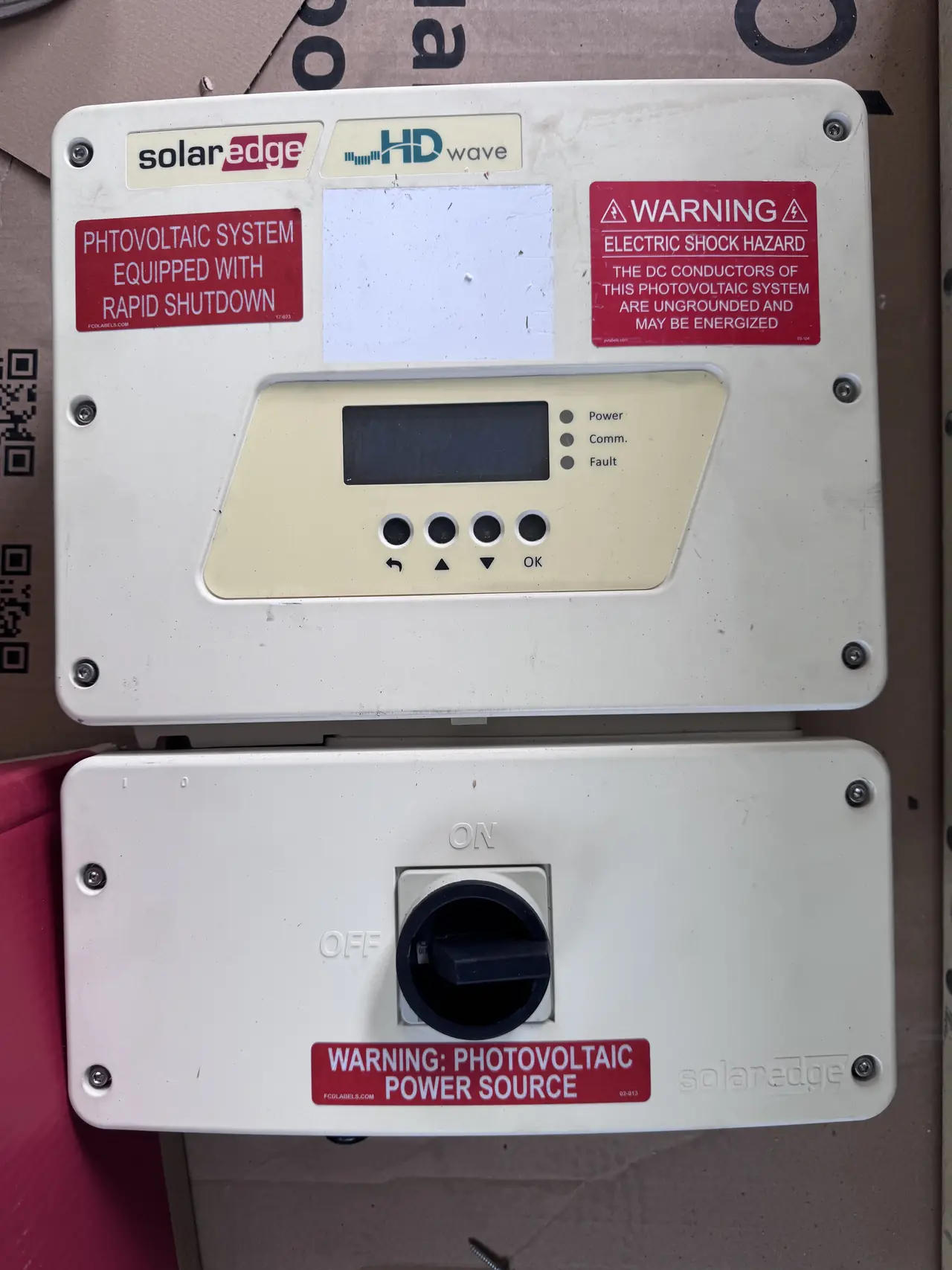
- One SolarEdge SE5000H string inverter
- Installed
- February 2019
- Inverter failed
- January 2025
- Part
- Replaced free under warranty
- Labour cover
- Had already expired
- Utility / AHJ
- LADWP / LADBS
The story
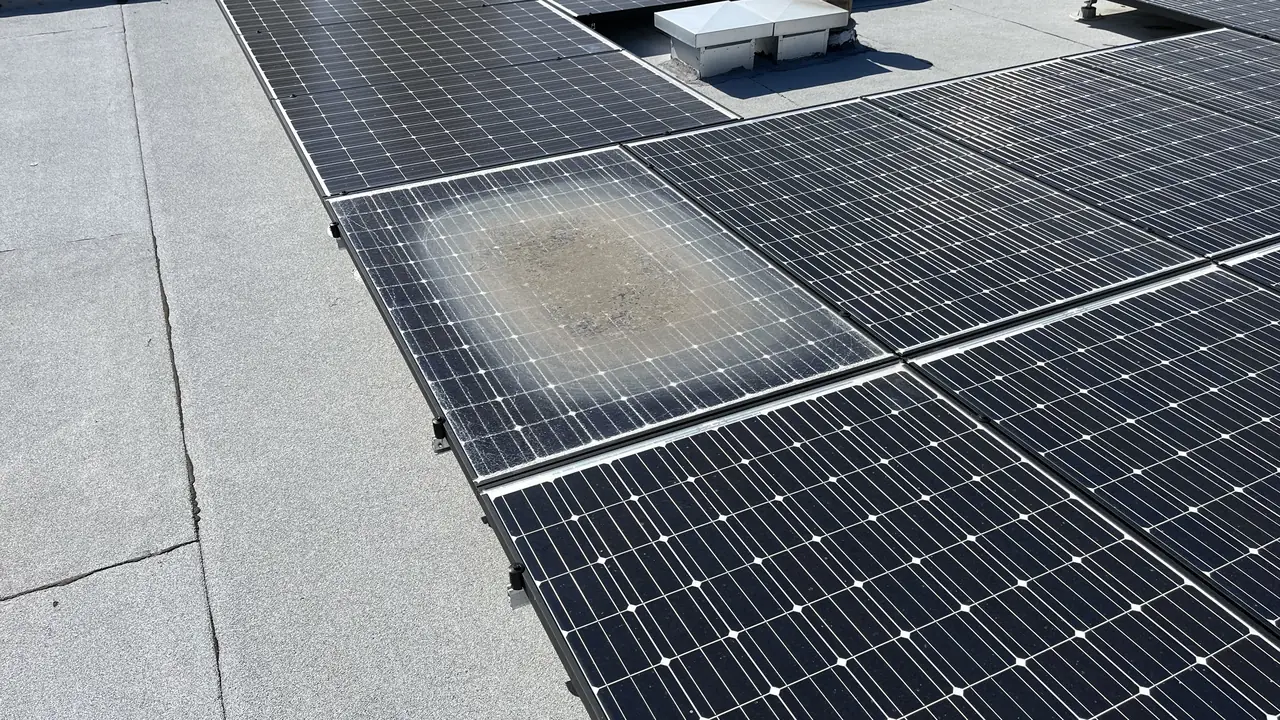
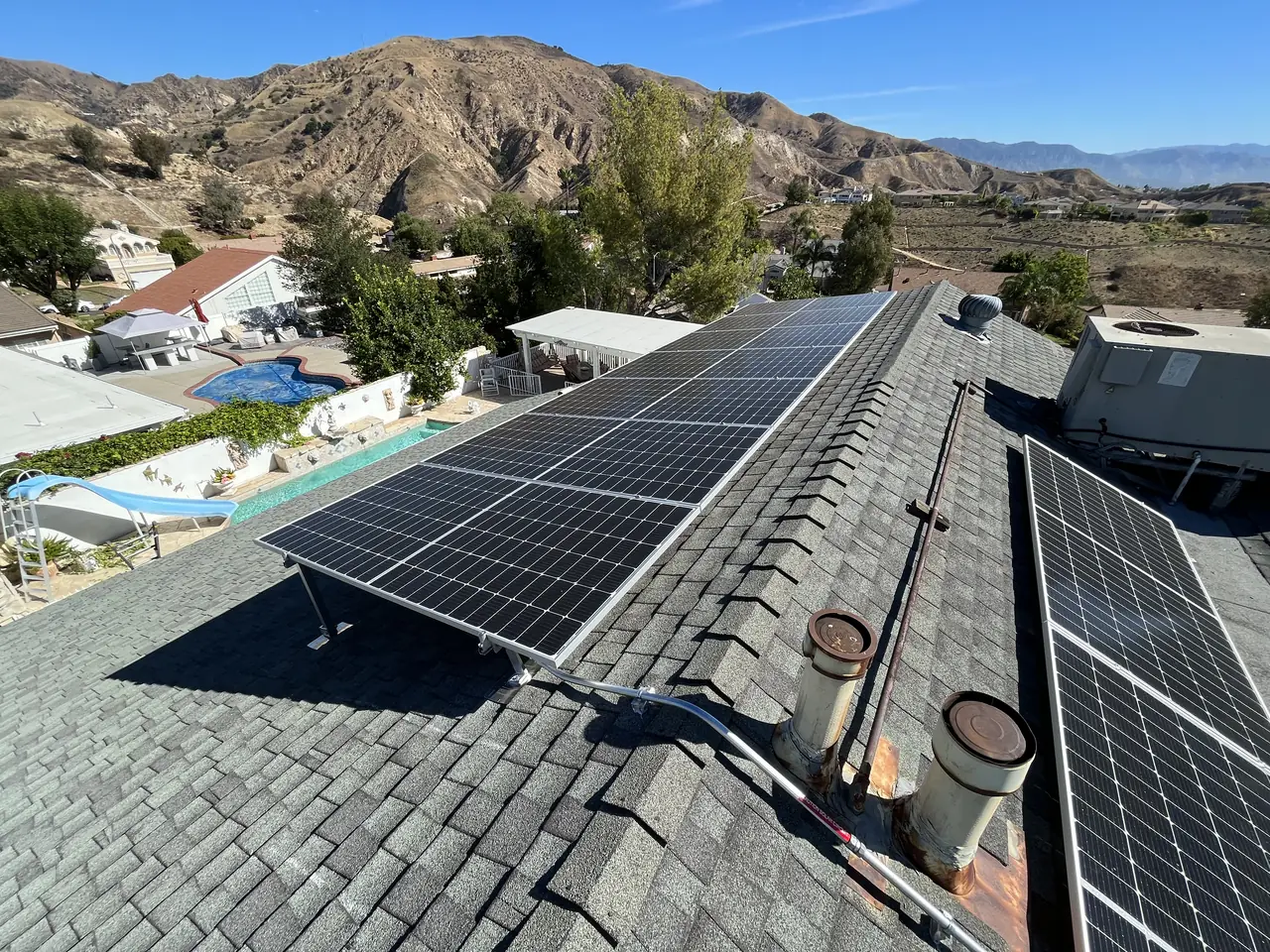
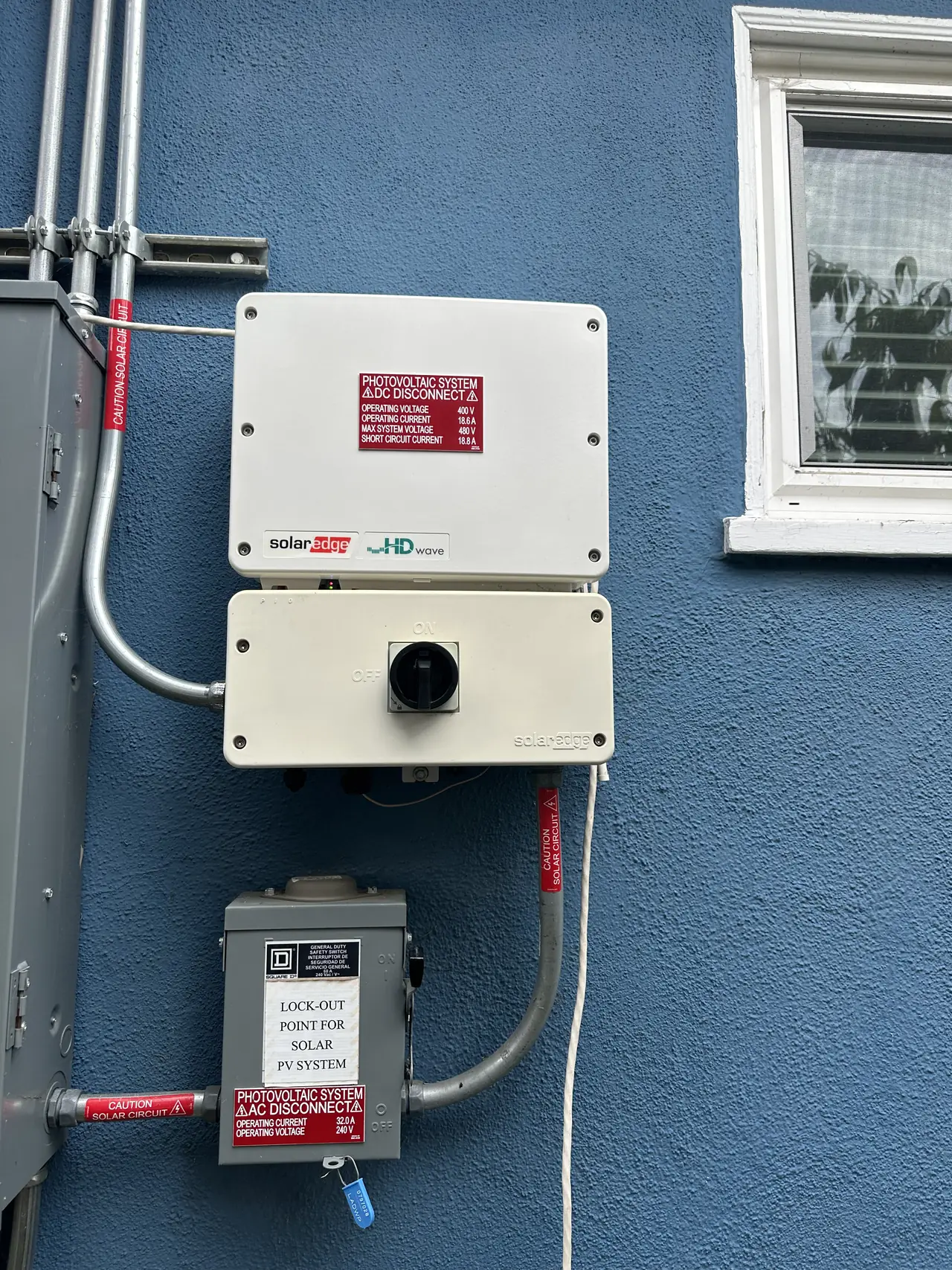
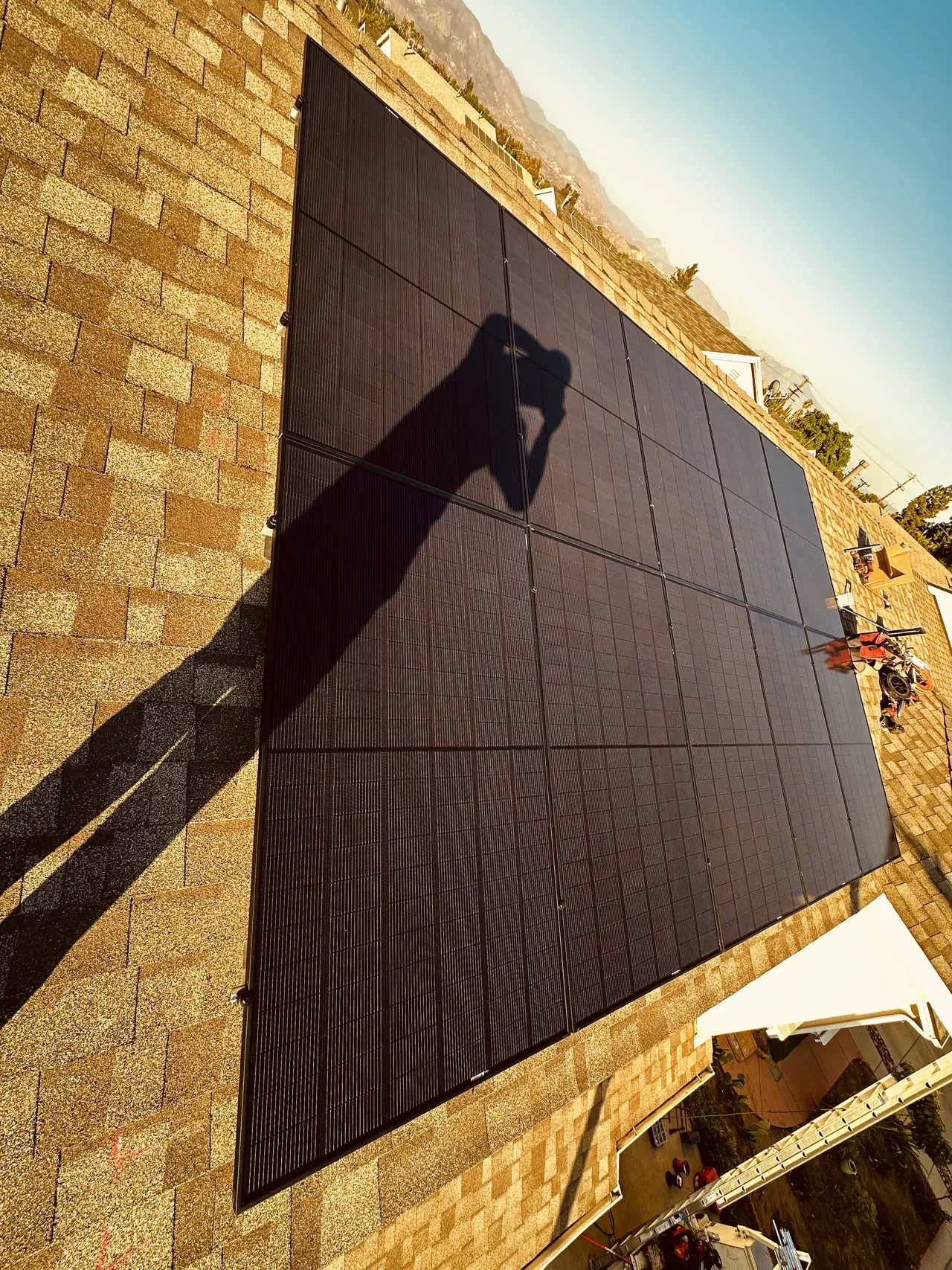
This system went in at the start of 2019: twenty-two Silfab 300 watt modules, 6.6 kilowatts, all feeding one SolarEdge SE5000H on the wall. One inverter for the whole array.
One detail matters for what follows. An inverter of this family does not work on its own: it runs with a power optimiser behind every module. So this array did have module-level electronics — per-module tracking, per-module monitoring, module-level shutdown. What it did not have was module-level conversion. All twenty-two modules still sent their power through one box to be turned into alternating current.
It also went in under a utility incentive reservation, received in December 2018 with a note that funding was limited — which is what those programmes looked like towards the end of their run. The plan and permit followed in January, an express permit with its own inspection record, and the system was installed in February 2019.
Then six years of nothing, which is what you want.
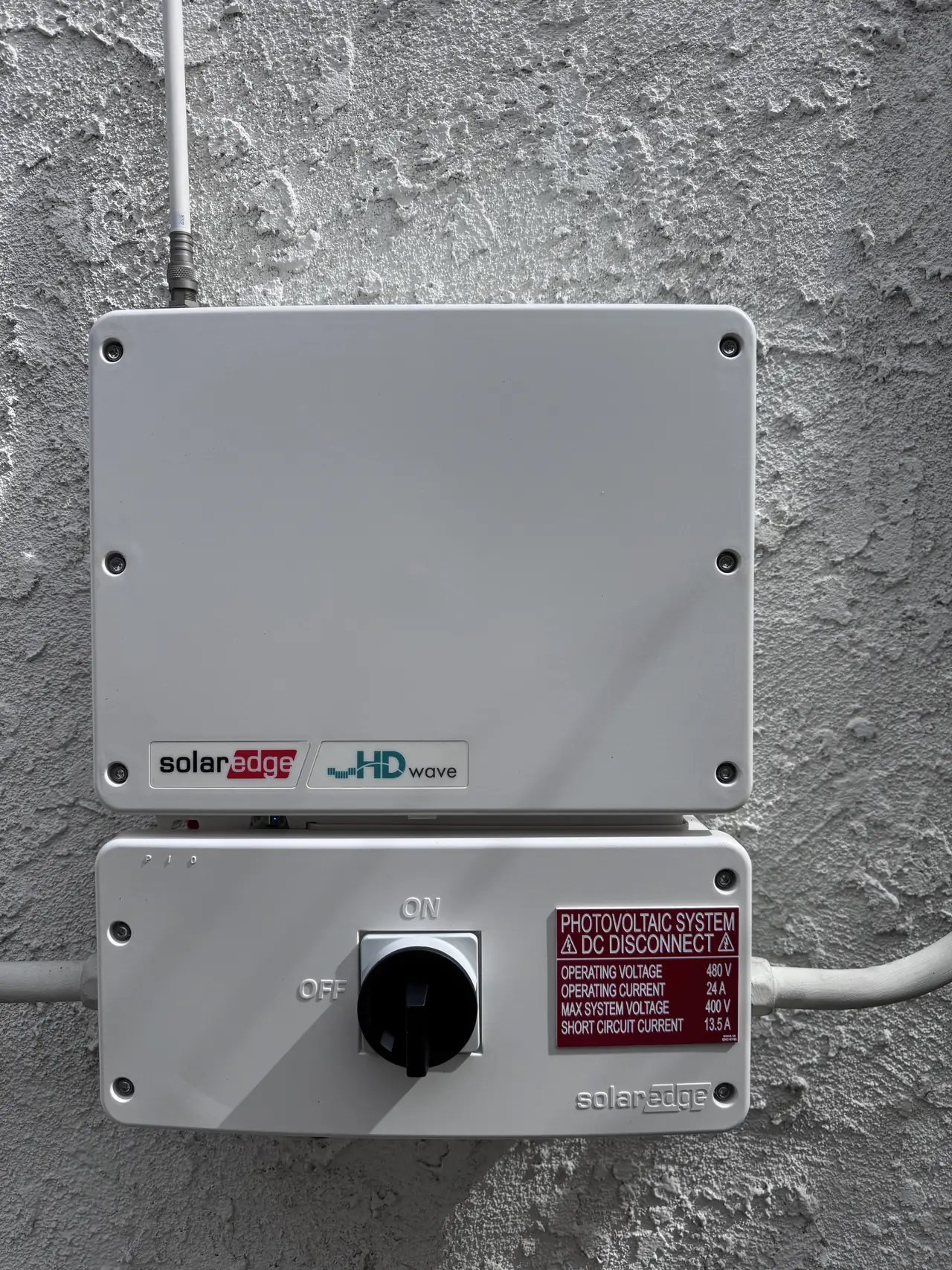
In January 2025 the inverter failed. With conversion centralised that is not a partial failure, it is the whole array: the optimisers can track all they like, but nothing reaches the panel if the box that makes alternating current is dead. Twenty-two modules producing nothing because of one component.
We opened a return authorisation with the manufacturer. The inverter was inside its warranty term, the claim was accepted and a replacement unit was shipped to our office free of charge. So far, so straightforward.
The manufacturer's labour reimbursement — the arrangement under which it pays the installer to fit the replacement — runs for a shorter period than the warranty on the hardware itself. On this programme it was five years. The system was six.
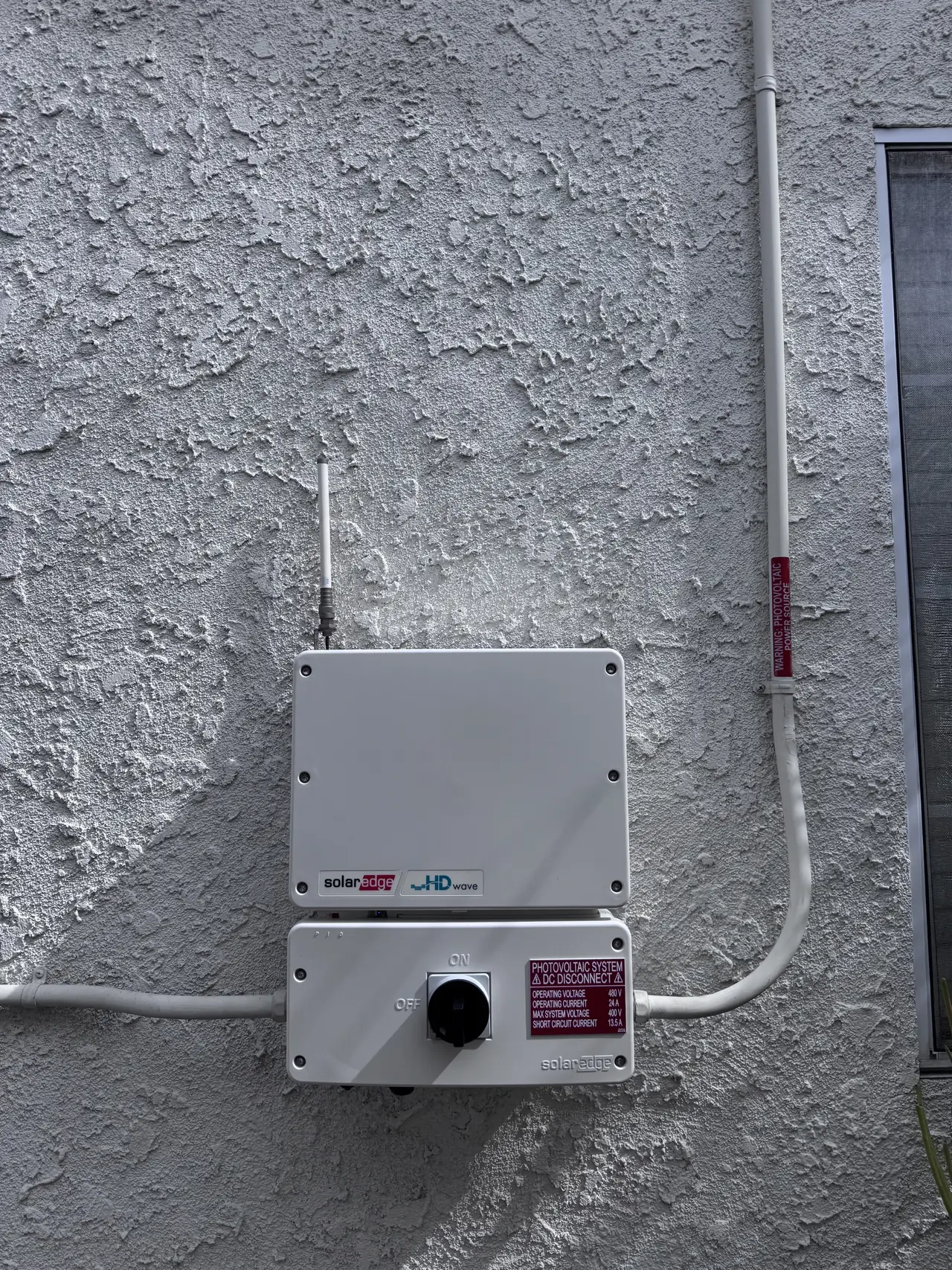
So the inverter arrived for nothing and the visit to fit it did not. We told the owner before scheduling rather than after, which is the only decent way to handle it: the call where somebody learns their warranty claim still has a bill attached should happen before the van is booked, not when the technician is standing in the driveway.
The return authorisation went in on the twenty-fourth of January and the replacement unit was shipped to us. The visit was scheduled for a morning window on the twenty-seventh of February and done that day. Five weeks from failure to running, most of it waiting on the part.
Two things follow from this, and they apply to any system. First, when you are given a warranty, ask for two numbers rather than one: how long the part is covered, and how long somebody will be paid to fit it. Here the failure arrived at five years and eleven months — comfortably inside the one clock and eleven months past the other.
Second, and this is the distinction worth getting right: centralised conversion is a single point of failure for the whole array, and module-level optimisers do not change that. The architecture that removes it is one where each module converts for itself, so a dead unit costs you one module instead of twenty-two. That is a real trade and it is not free — more devices on the roof, each with its own service life, against a single box on a wall that is easy to reach and quick to swap. Neither answer is wrong. Knowing which one you bought is the point.
How it ran
| December 2018 | Utility incentive reservation received, funding limited |
|---|---|
| January 2019 | Plan and express permit issued |
| February 2019 | System installed — 22 modules on one string inverter |
| 24 January 2025 | Inverter fails; return authorisation opened with the manufacturer |
| January 2025 | Replacement approved and shipped free of charge |
| January 2025 | Owner told the labour cover had expired, before scheduling |
| 27 February 2025 | Replacement inverter fitted; system running |
Six years of nothing, then one component and two different warranties.
What we did
- Installed the system under an express permit in early 2019.
- Opened the return authorisation with the manufacturer when the inverter failed.
- Had the replacement unit approved and shipped at no charge to the owner.
- Checked the labour reimbursement terms and told the owner the position before scheduling the visit.
- Fitted the replacement inverter in a single morning visit.
System specifications
| System | 6.6 kW DC |
|---|---|
| Modules | 22 × Silfab 300M, 300 W |
| Inverter | 1 × SolarEdge SE5000H, string inverter |
| Architecture | Optimiser per module; conversion centralised in one unit |
| Permit | Express permit with inspection record |
| Installed | February 2019 |
| Failure | Inverter, January 2025 |
| Outcome | Part replaced under warranty; labour billed to the owner |
| Utility / AHJ | LADWP / LADBS |
Is your project like this one?
- Your whole system has stopped producing and you have one inverter on the wall.
- You are being told a warranty claim still costs you money.
- You are choosing between a string inverter and per-module electronics.
- Your system is between five and ten years old.
- You want to know what questions to ask about a warranty before you sign.
Cali Energy in North Hollywood
North Hollywood is inside City of Los Angeles boundaries: permits run through LADBS, interconnection through LADWP.
Systems installed here in 2018 and 2019 are now old enough for their inverters to reach the end of something, and which something matters.
This installation is on the North Hollywood projects page alongside the others, and what the work covers is set out on the North Hollywood service area page.
- License and classifications: CSLB #1032379
- Official reference for this process: CSLB — check a contractor's license
- Official reference for this process: California Energy Commission — solar equipment lists
Frequently asked questions
My inverter is under warranty — why am I being charged?
Because there are usually two separate terms. The manufacturer covers the part for the length of the equipment warranty, but it reimburses the installer for fitting a replacement only for a shorter period. On this project the hardware was still covered at six years and the labour reimbursement had run out at five.
How long is labour covered on a solar warranty?
It varies by manufacturer and by programme, and it is shorter than the equipment term. The number that applied here was five years. Ask for both numbers in writing before you buy, not after something fails.
If one inverter fails, does the whole system stop?
On a string system, yes. All twenty-two modules on this roof reported through one inverter, so the failure took the entire array out until it was replaced. With one microinverter per module, a failure takes out one module.
Is a string inverter a bad choice then?
Not automatically — it costs less and on a simple, unshaded roof it works well for years, as this one did. It is a single point of failure, and that is the trade you are making. It is worth making it knowingly.
How long did the replacement take?
The failure was reported in January, the manufacturer approved and shipped the replacement, and the new inverter was fitted in a single morning visit at the end of February.
Will Cali Energy handle a warranty claim on an older system?
Yes, including systems past their installation warranty. Cali Energy holds B, C-10 and C-39 classifications under CSLB #1032379.
What this would look like on your roof
Planning solar in North Hollywood? Tell us your utility, your roof and what your bill looks like now, and we will model what a system like this would do on your house before you commit to anything.
Or call +1 (323) 844-7777 · Cali Energy, Northridge · CSLB #1032379 (B, C-10, C-39) — design, permits, install and electrical under one licensed contractor.
Related
This timeline reflects this property and this permitting path. Updated September 2026.